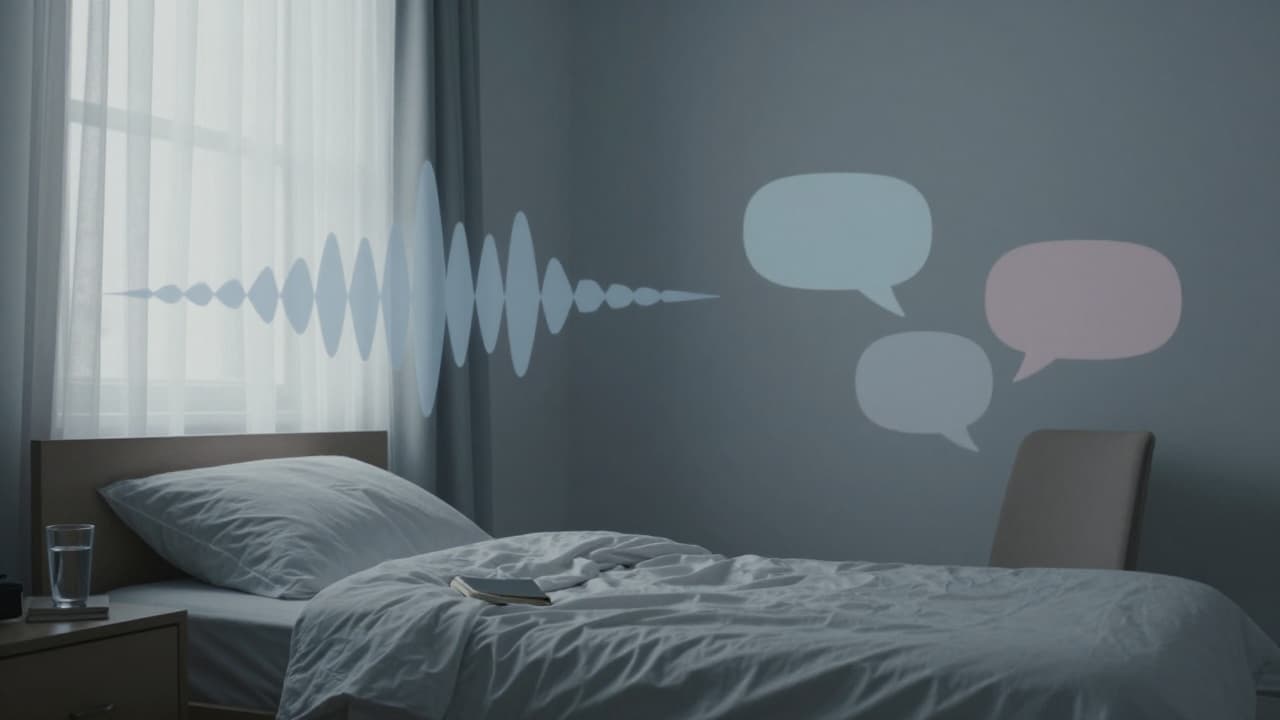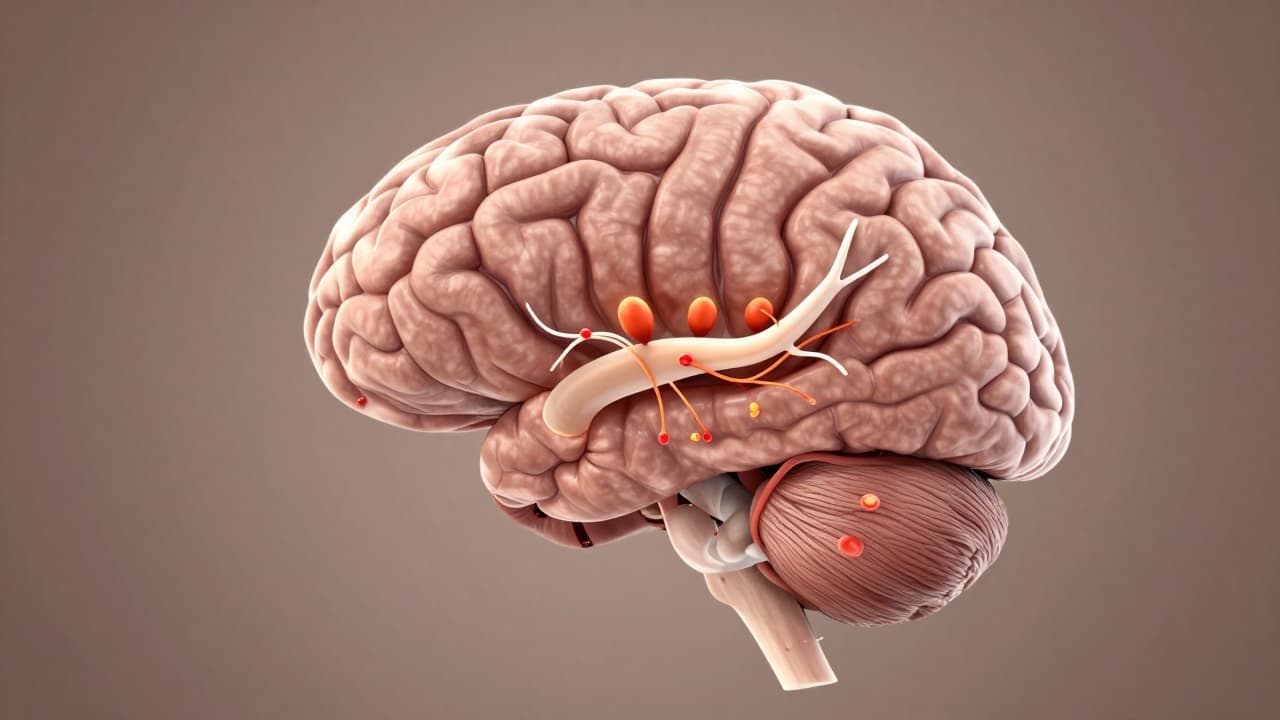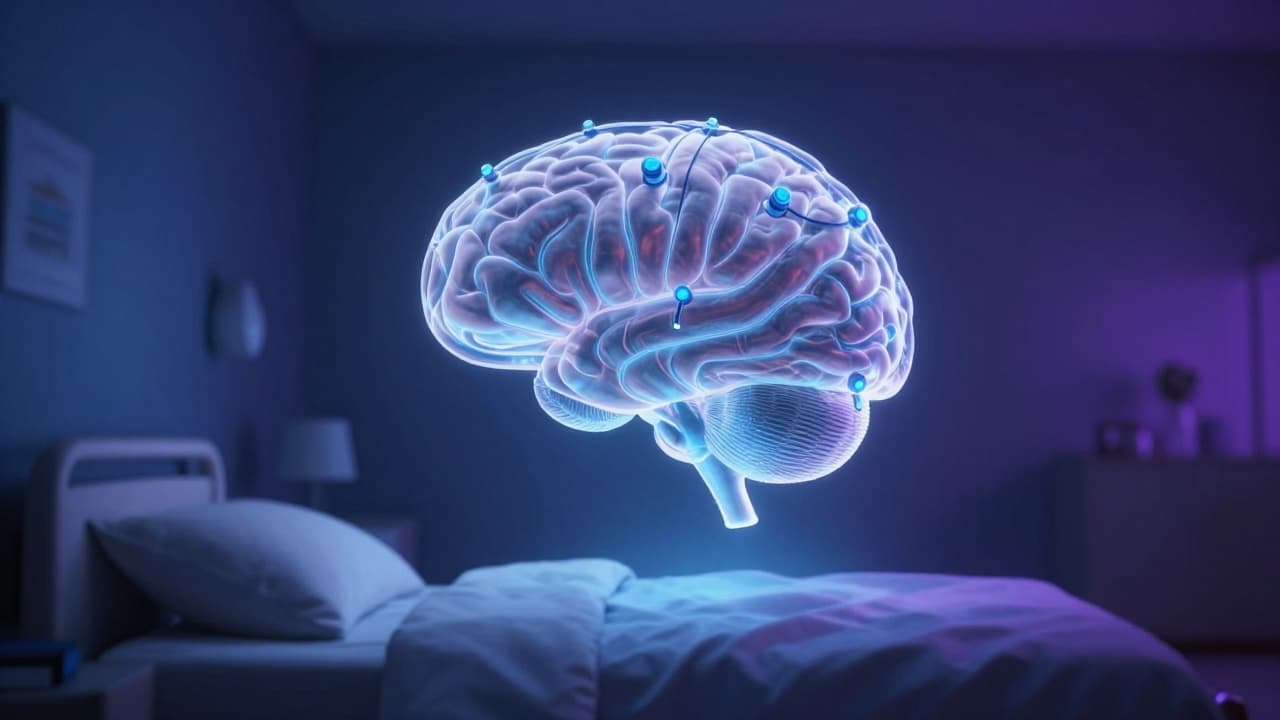
Unusual bodily experiences such as floating, falling or the sensation of leaving one's own body may arise in the liminal zone between sleep and wakefulness, suggests new research published in the journal Consciousness and Cognition. Analysis of participants' brain activity confirmed this claim, and scientists believe that the overlap between sleep and wakefulness can explain a wide range of phenomena, from sleep paralysis to the sensation of exiting one's own body.
Scientists classify such unusual disturbances in bodily perception under the common term unusual bodily experiences (UBE). Such experiences occur during sleep paralysis, lucid dreaming, but also in the waking state, and their cause is unknown. Neuroscientist Teresa Campillo-Ferrer from Radboud University in the Netherlands conducted the research with 35 participants experienced in lucid dreaming or meditation.
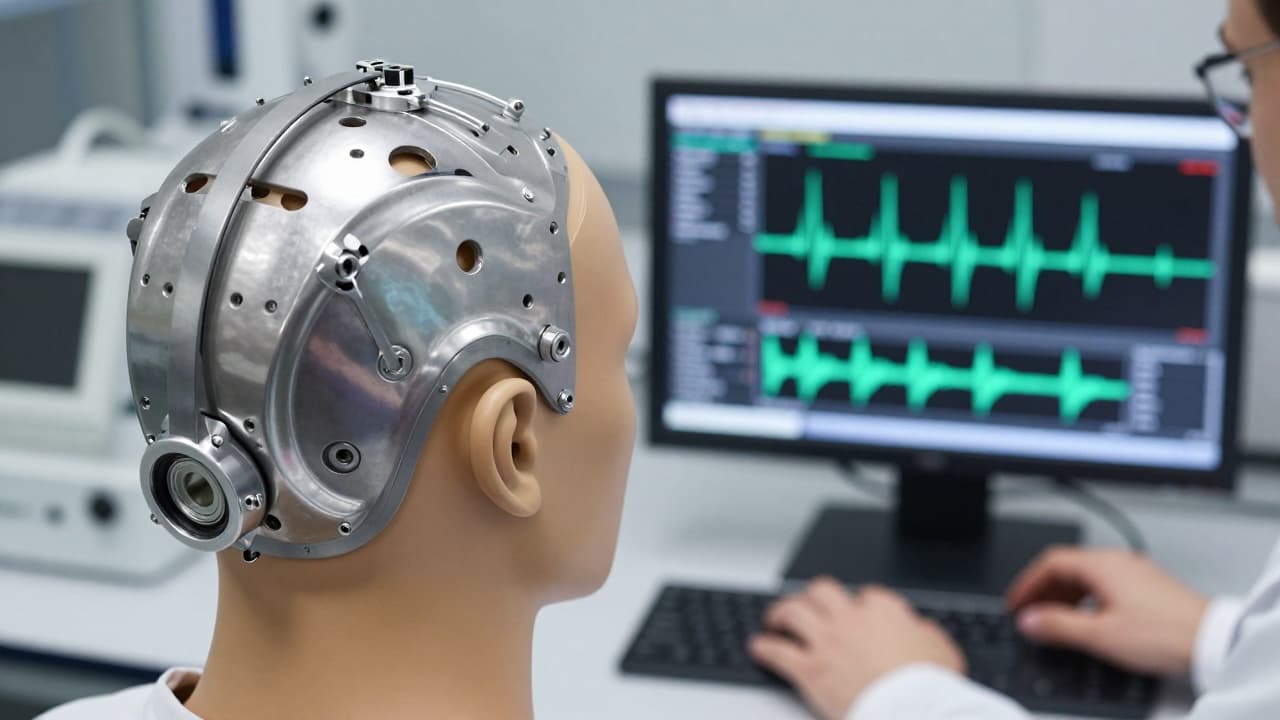
Her team recorded participants' brain activity as they entered states on the edge of sleep and wakefulness, during meditation, falling asleep or the act of dreaming itself. Researchers used EEG caps with electrodes to track the brain's electrical activity, and participants went through guided meditation exercises to relax and focus on bodily sensations. The team used light flashes to trigger unusual experiences as participants drifted into sleep, and participants were instructed to move their eyes left-right as soon as they experienced something unusual.
Of the 35 participants, 20 reported a total of 36 unusual bodily experiences. Most experiences occurred during meditation, and were also recorded in REM and non-REM sleep phases, as well as during brief awakenings. Some felt they were floating, falling or spinning while their bodies remained still, others reported unusual vibrations, pressure or a sense of touch. Some participants lost perception of the boundaries or shape of their own body, some experienced paralysis, sometimes with hallucinations, and in 10 cases the sensation of being outside the physical body was recorded.
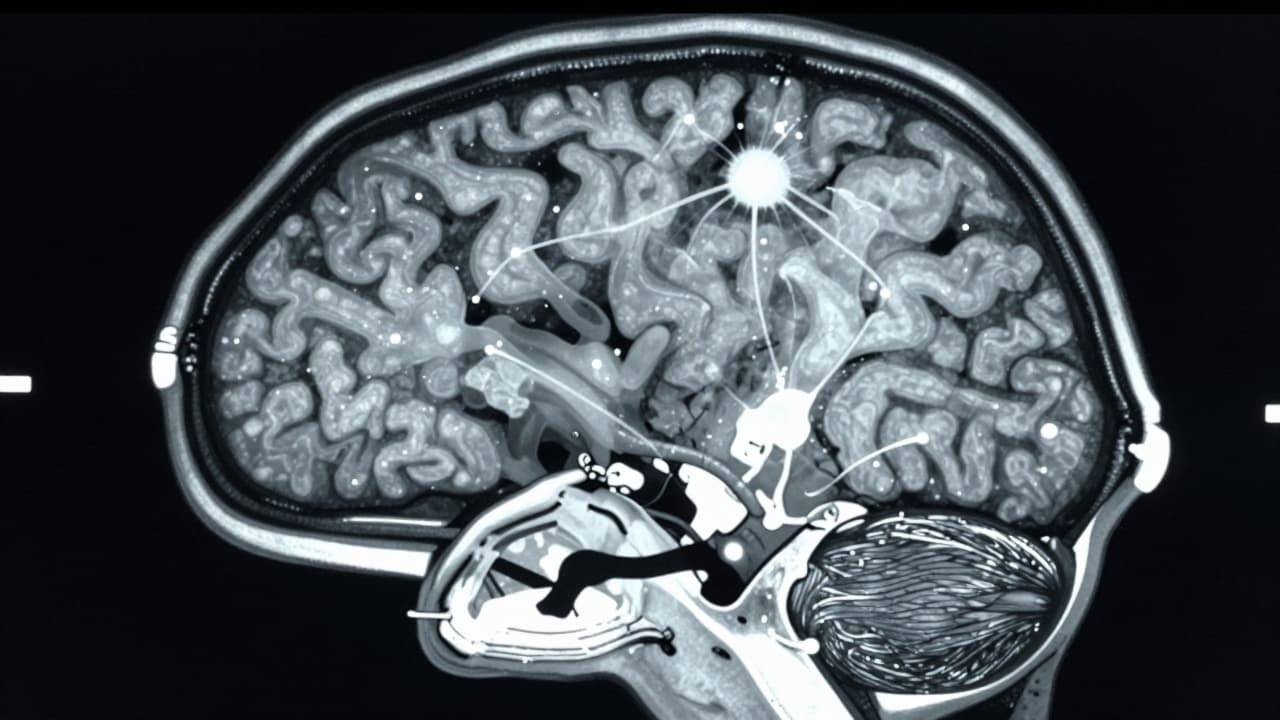
During unusual experiences, a reduction in slower brain waves (delta and theta) and a simultaneous increase in faster waves (beta and gamma) were recorded, compared to usual activity in sleep or meditation. Changes were most pronounced in the temporal lobes of the brain. Slower brain wave activity was at a level between typical patterns for sleep and wakefulness, while faster wave activity corresponded to the waking state. Researchers believe that the brain has 'leaky' boundaries at these moments.
The results suggest that these experiences do not depend on a specific phase of sleep or wakefulness, but on a state of consciousness in which the boundaries between the two are erased. EEG recordings cannot reveal whether the entire brain enters this intermediate state or whether different regions simultaneously show characteristics of sleep and wakefulness. Further research is needed to clarify how the brain creates such convincing illusory sensations.