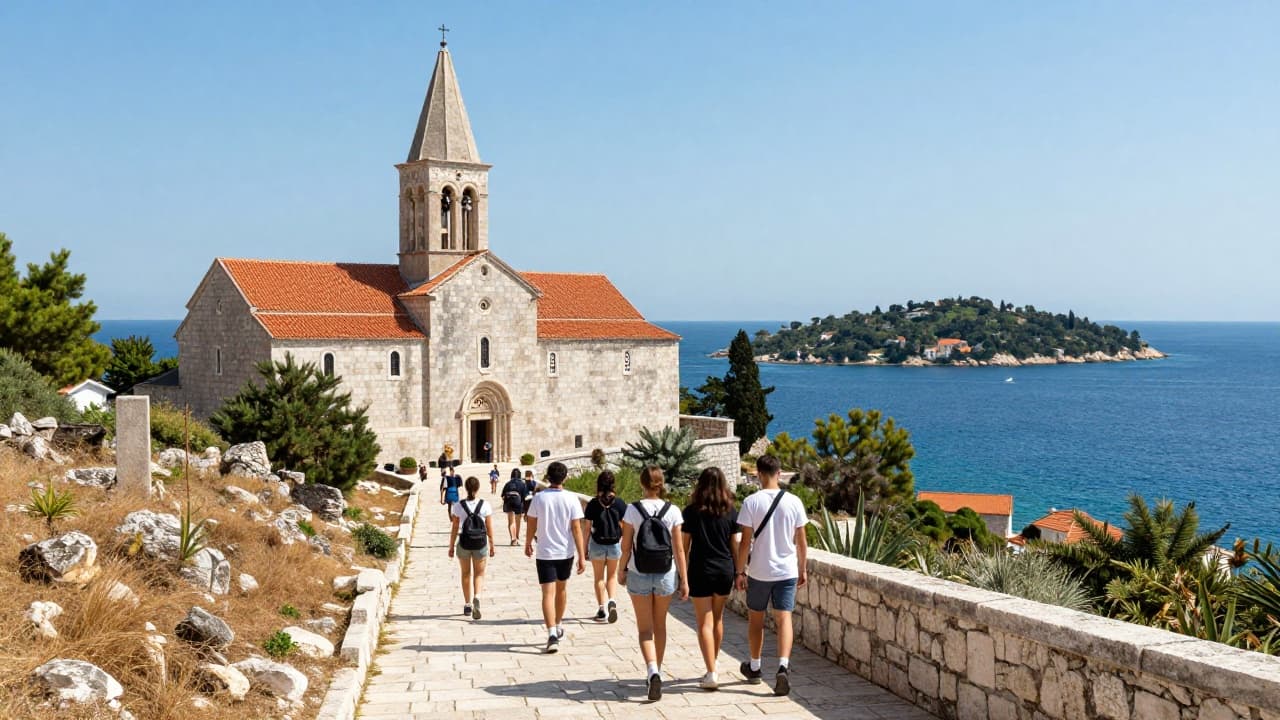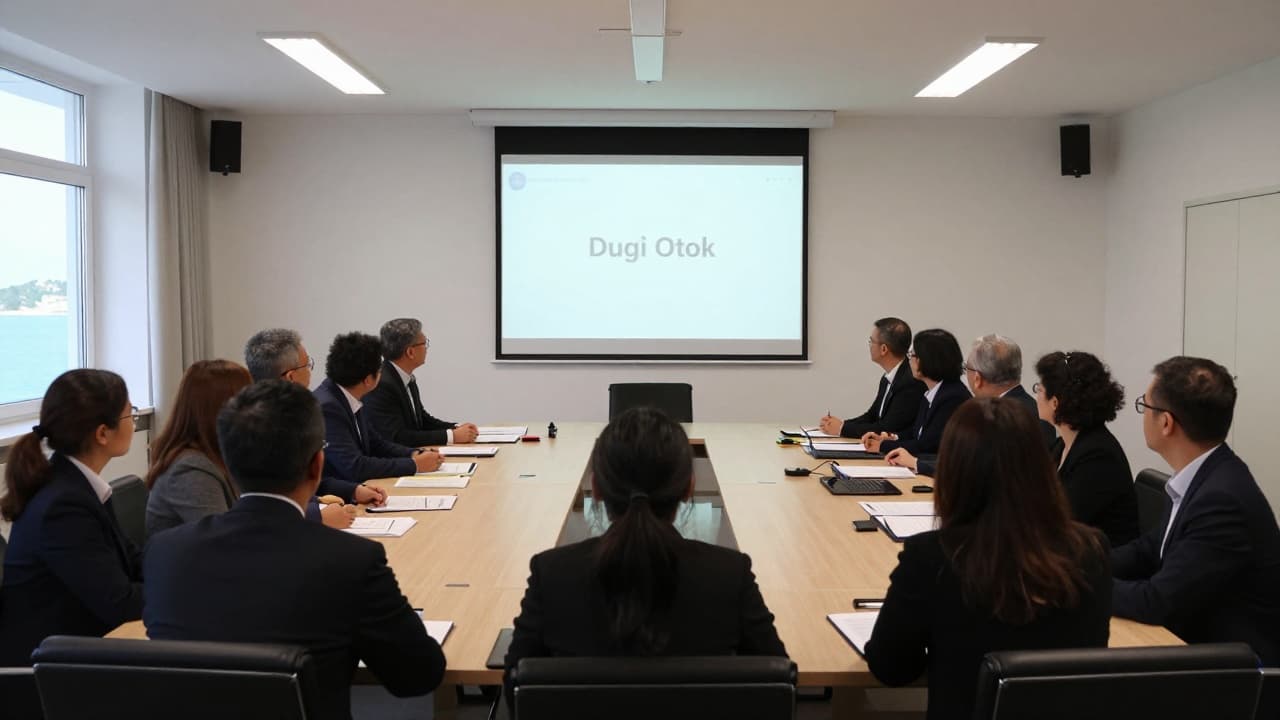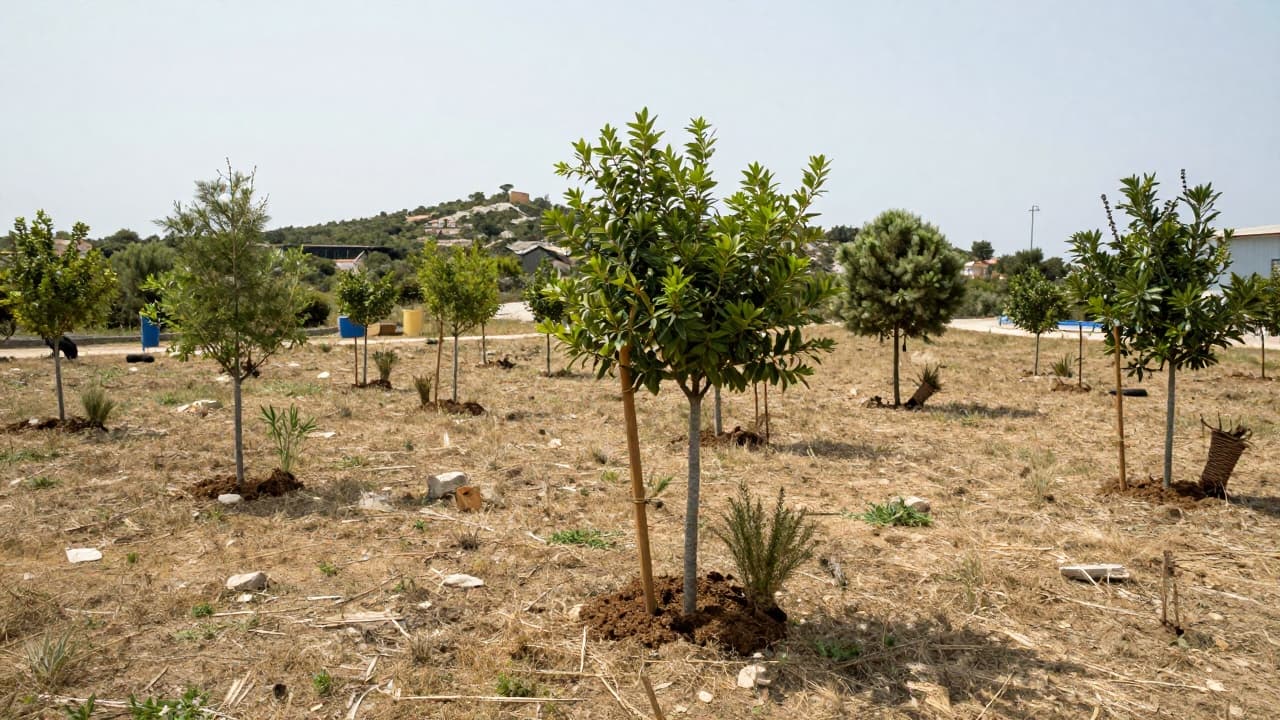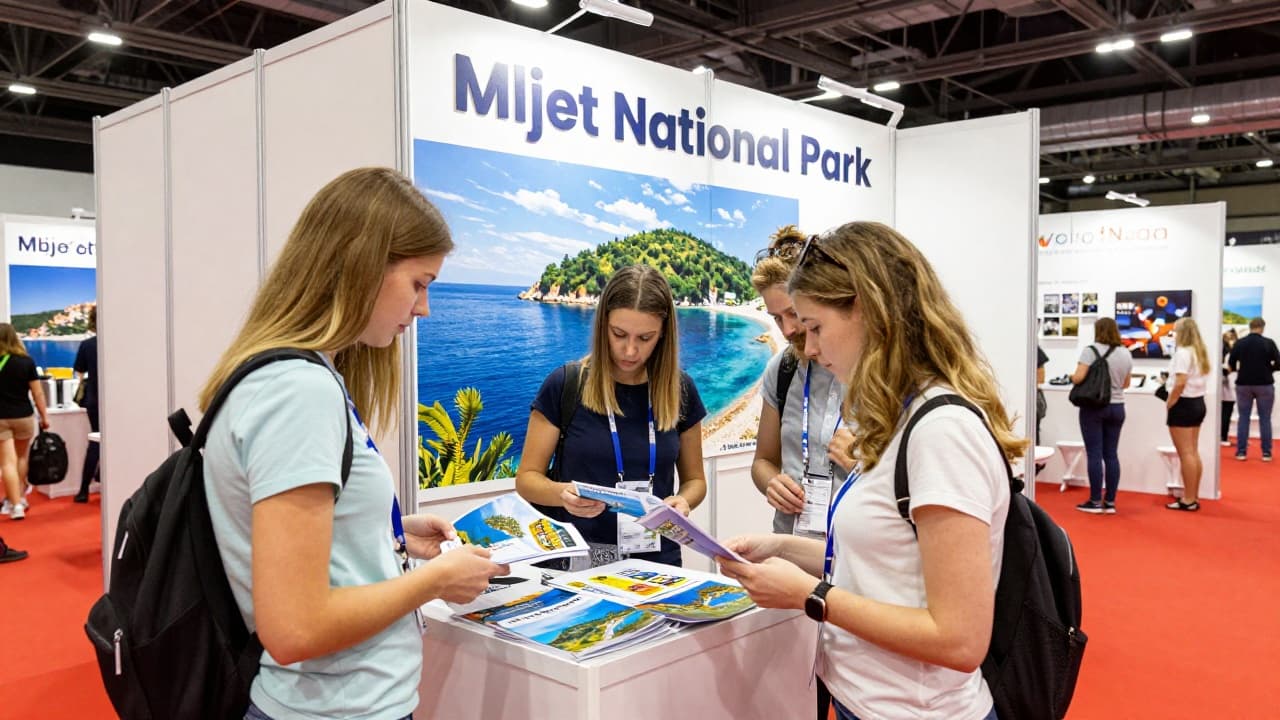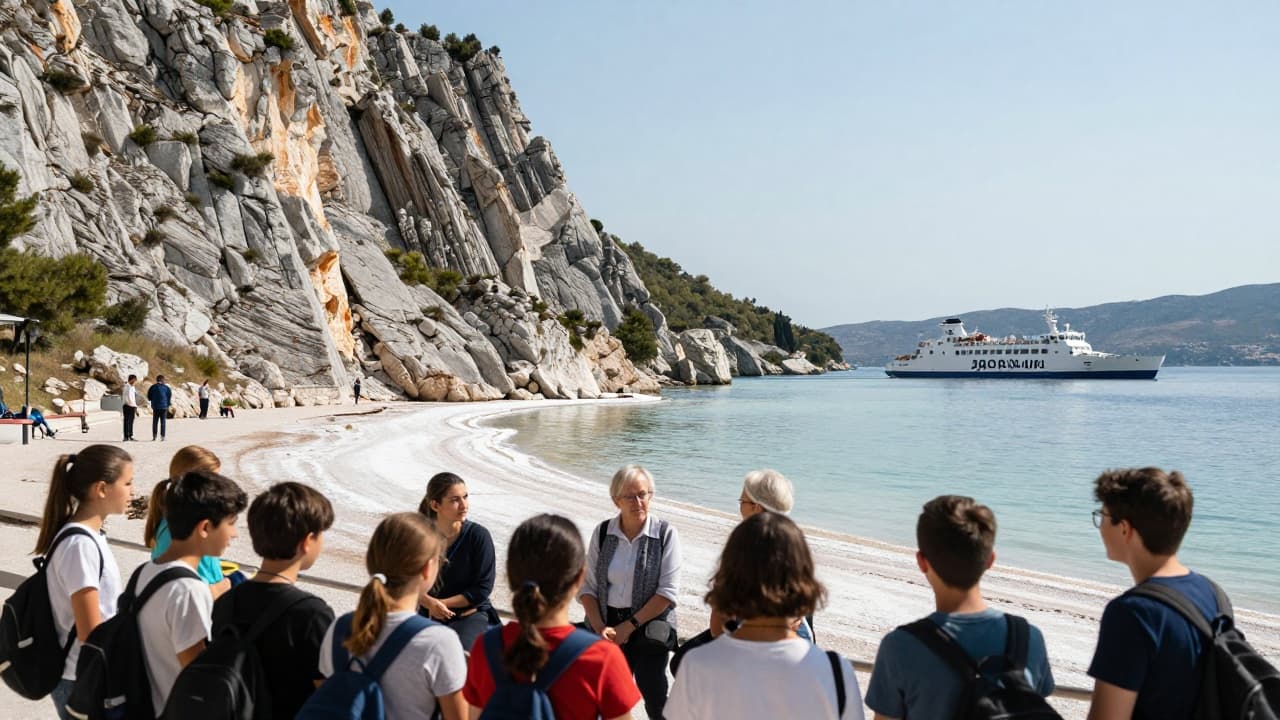
First- and second-year students on the master's degree programme in Sustainable Tourism Development at the Department of Economics, University of Zadar, examined issues of tourism development while preserving natural and cultural heritage, local identity and the quality of life of the island population. The field trip took place on 6 November 2026 on Dugi Otok, where students visited natural and cultural sites and spoke with representatives of the local community.
The field trip enabled the connection of theoretical knowledge with practical examples, with an emphasis on sustainable tourism management, the preservation of island identity and the active role of the local community in tourism development. The ferry crossing by Jadrolinija was already the first step in getting to know the island way of life and the particularities of the space. It was highlighted that ferry connectivity is one of the key preconditions for the daily life of islanders, the development of the local economy and sustainable tourism.
Students visited Telašćica Nature Park under the professional guidance of park staff. Telašćica features cliffs, bays and the salt lake Mir, as well as a wealth of plant and animal life, and is an important part of the natural and cultural identity of Dugi Otok.
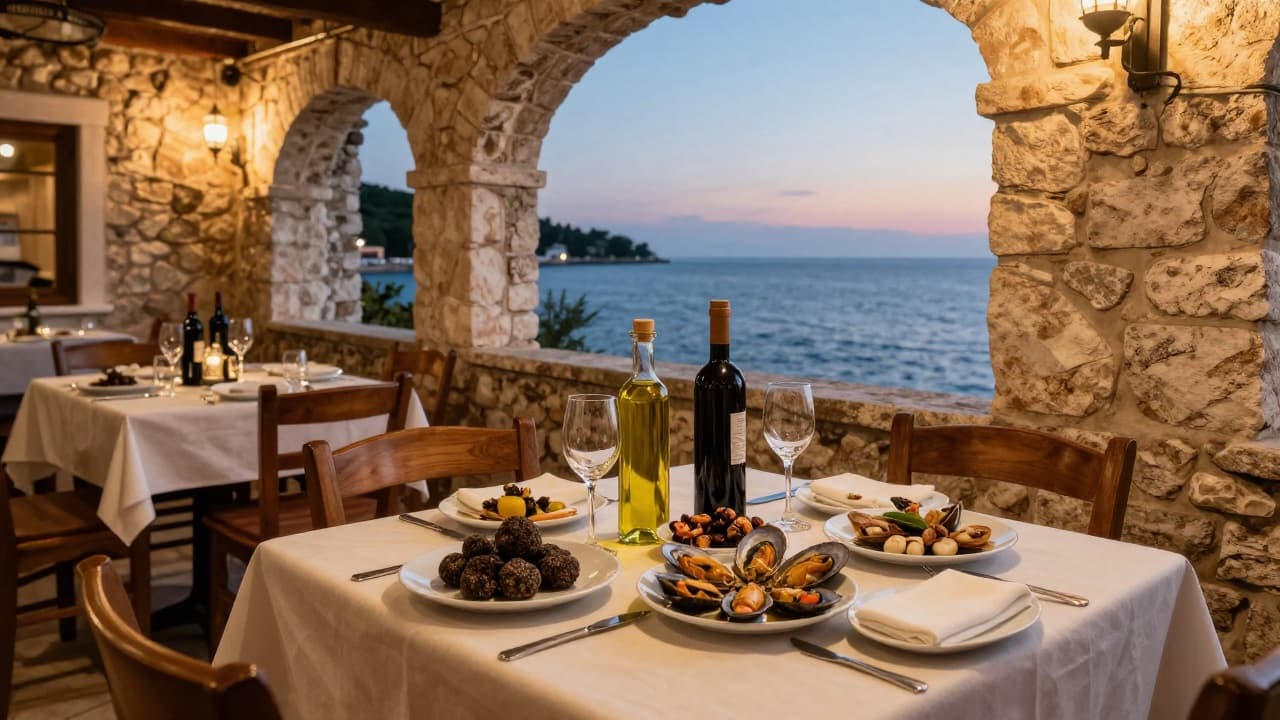
In Sali, they visited the Trattoria Fermata bistro, where they had the opportunity to taste local gastronomy. The use of local ingredients, linking hospitality with local producers and presenting authentic flavours form an important part of the destination's identity.
Students also spoke with a representative of the Dugi Otok Tourist Board. This conversation placed particular emphasis on tourism management, pronounced seasonality, the preservation of natural and cultural heritage and the inclusion of the local population in tourism development.
They also met Mr Antun Mihić from the Croatian Library and Reading Room in Sali. This meeting provided an opportunity to learn about the cultural and social life of Dugi Otok and the importance of local institutions in preserving island identity.