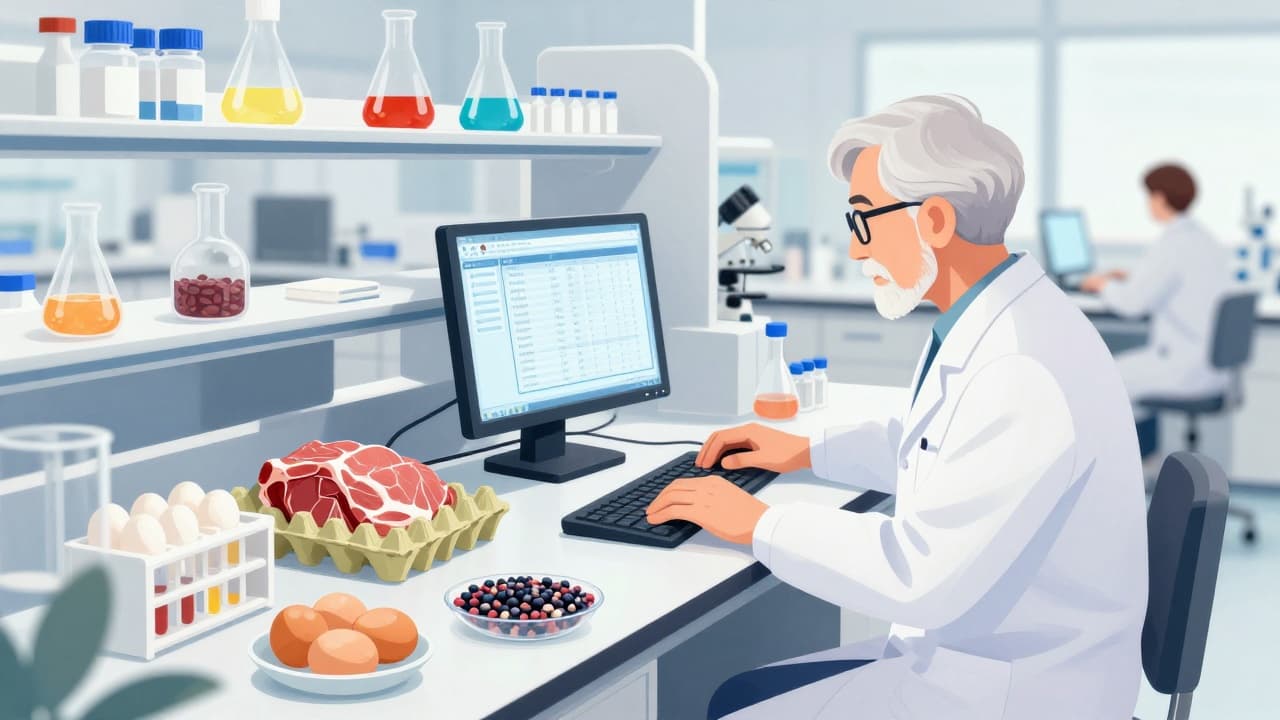
Reduced protein intake could slow biological ageing, according to the findings of an extensive analysis that combined the results of 361 scientific studies. The review was conducted by scientists at the University of Wisconsin-Madison and published in the scientific journal Cell Press Blue.
Proteins are essential for building and repairing muscle, regulating body weight and preserving muscle mass in older age. However, the study's authors do not recommend reducing protein intake in all cases, but rather adjusting it to individual needs. Growing evidence suggests that restricting protein promotes metabolic health and longevity in various organisms, with animals on low-protein diets showing signs of slower ageing.
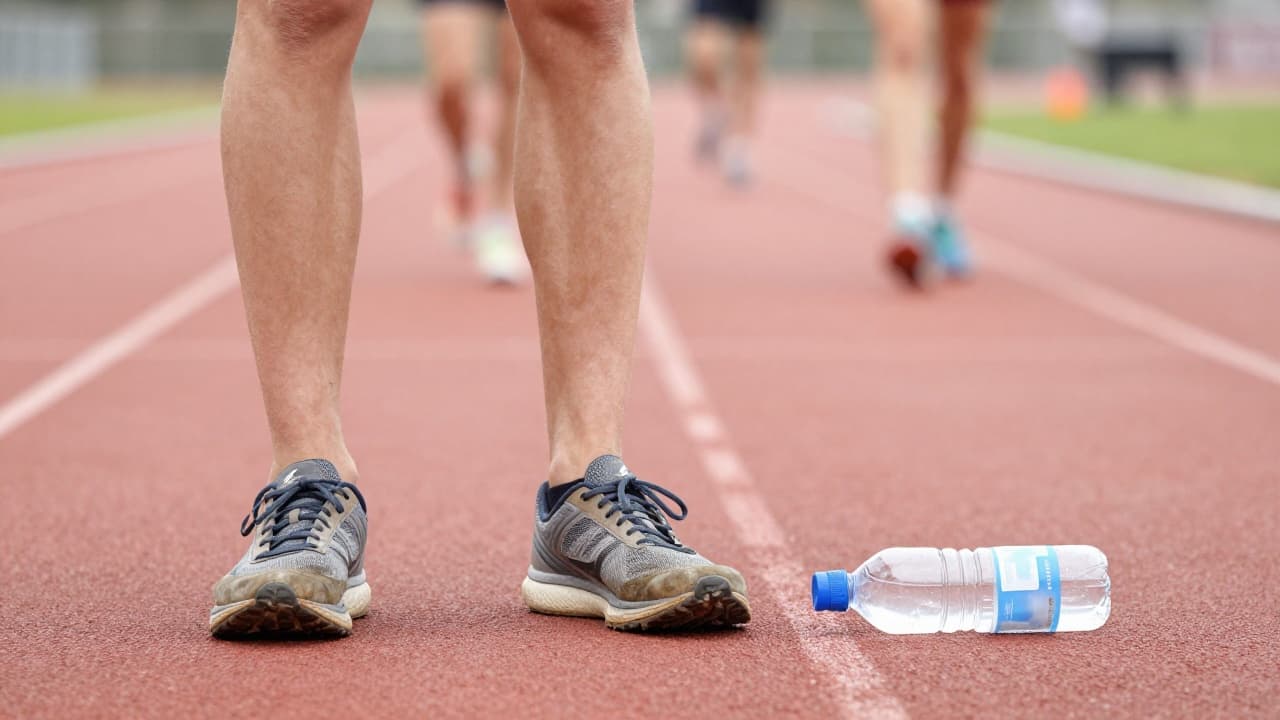
In humans, reduced protein intake has been linked to the alleviation of inflammatory processes that accelerate ageing and to improved overall metabolic health. Conversely, higher protein intake is beneficial for people who exercise regularly and work on building muscle mass. Dudley Lamming, a biomedical researcher and one of the authors, says that proteins support muscle growth and the response to exercise in active individuals.
Lamming points out that most people lead sedentary lifestyles and that many likely consume more protein than they need. He adds that the amount of protein consumed by people who are not sufficiently active can have negative health consequences, at least at the population level. The authors call for a re-evaluation of actual protein needs, particularly with regard to age and level of physical activity.
The analysis cites several possible explanations for the benefits of protein restriction: changes in cellular signalling that shift from growth to maintenance, reduced accumulation of senescent or 'waste' cells, and the stimulation of energy production. Lower protein intake also leads to chemical changes, such as elevated levels of the hormone FGF21. The paper indicates specific amino acids that could be the key link between dietary protein and the ageing process, and it is possible that the type of protein we eat and the combination of amino acids within it are as important as the total amount consumed.
Lamming notes that previous recommendations have encouraged people to eat more protein while also exercising more. He believes that protein intake recommendations will likely need to be adjusted not only for age, but also for an individual's level of physical activity. Next steps could include research in humans that would analyse the effects of protein on ageing and metabolism in greater detail.