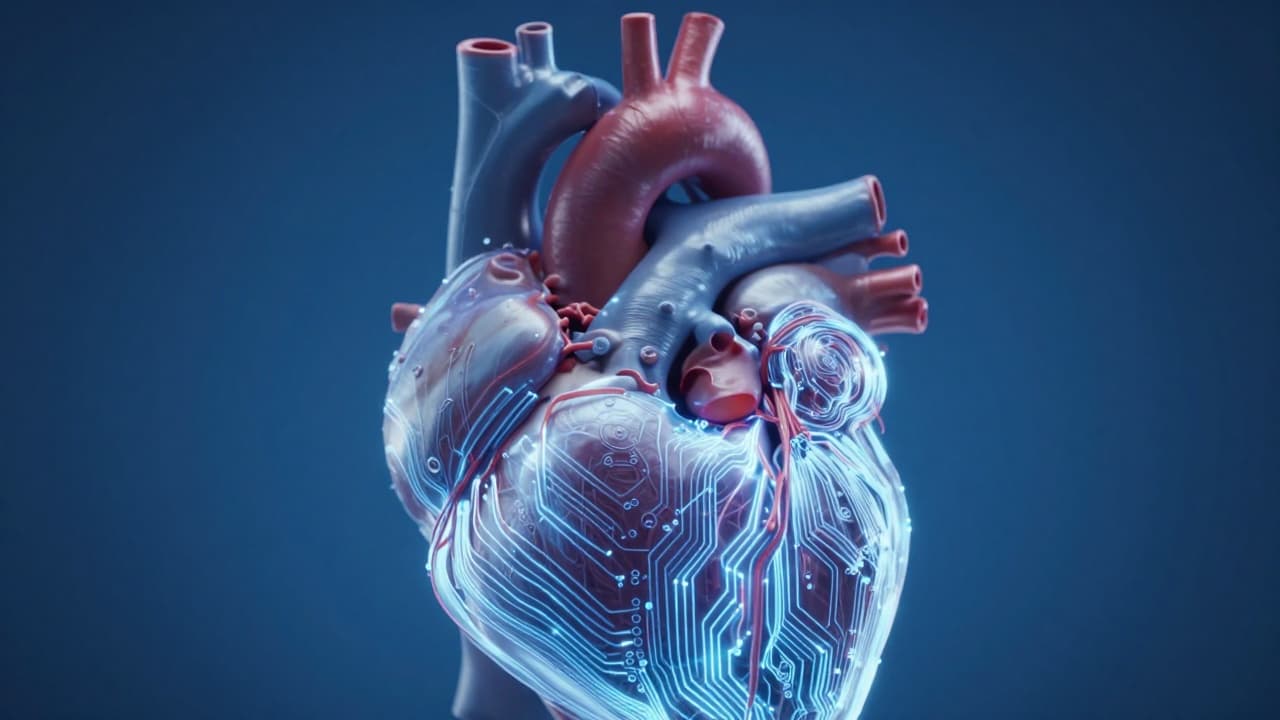
Researchers used artificial intelligence technology to analyse medical images, aiming for more precise detection of heart disease. The aim was to identify women suffering from coronary heart disease, as well as those with high blood pressure, which are key risk factors for cardiovascular disease.
The study involved a total of 29,921 women, allowing for a statistically significant analysis. The average age of the participants was 54 years. Within this group, 16 per cent of the women had high blood pressure, representing a significant risk factor for the development of cardiovascular problems. Researchers focused on the accuracy with which artificial intelligence could detect these conditions, comparing them with standard diagnostic methods.
The results showed a high level of reliability in identifying specific health conditions. The model successfully identified women who had previously suffered a stroke in 86 per cent of cases. This high accuracy in identifying past strokes indicates the potential of the technology in early detection and risk assessment, although it is important to note that this refers to a specific subset within the wider group of participants.
Furthermore, the model demonstrated the ability to distinguish women with high blood pressure in 79 per cent of cases. Although the recognition rate for this group was slightly lower than for those who had suffered a stroke, the results still indicate significant potential for artificial intelligence in improving diagnostic processes. The study highlights the importance of further development and testing of these technologies to ensure their maximum effectiveness in clinical practice.