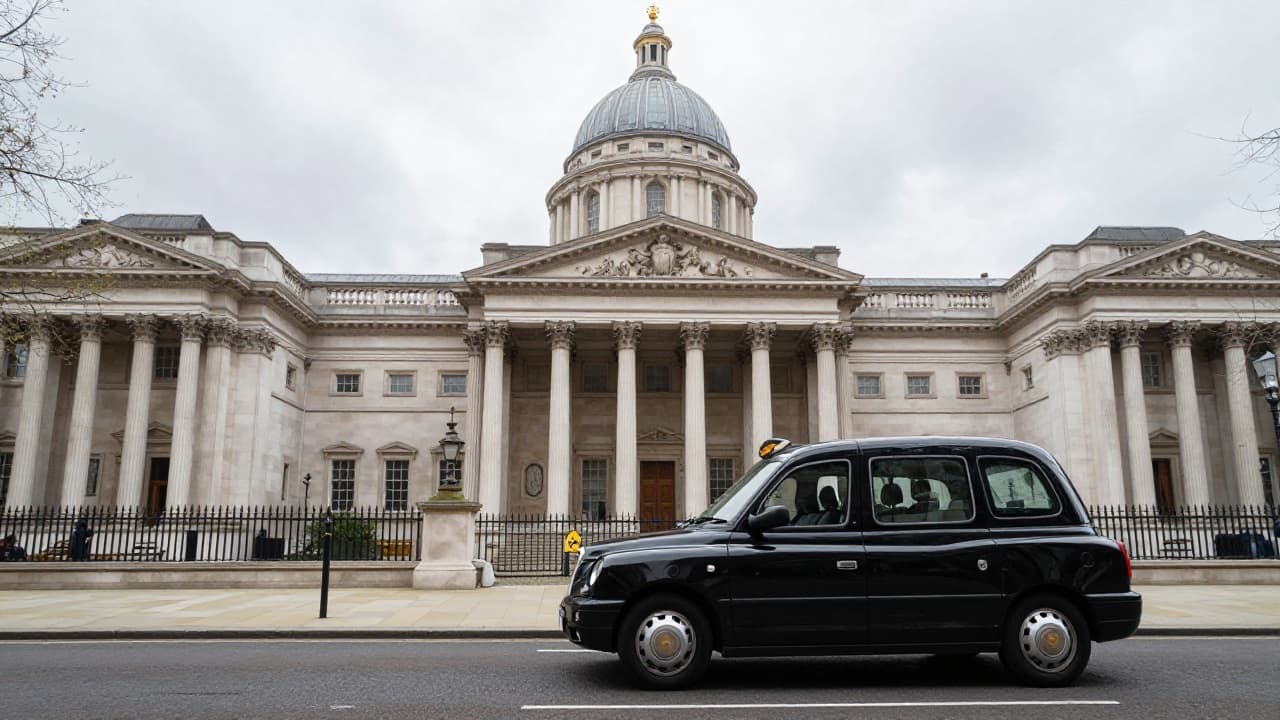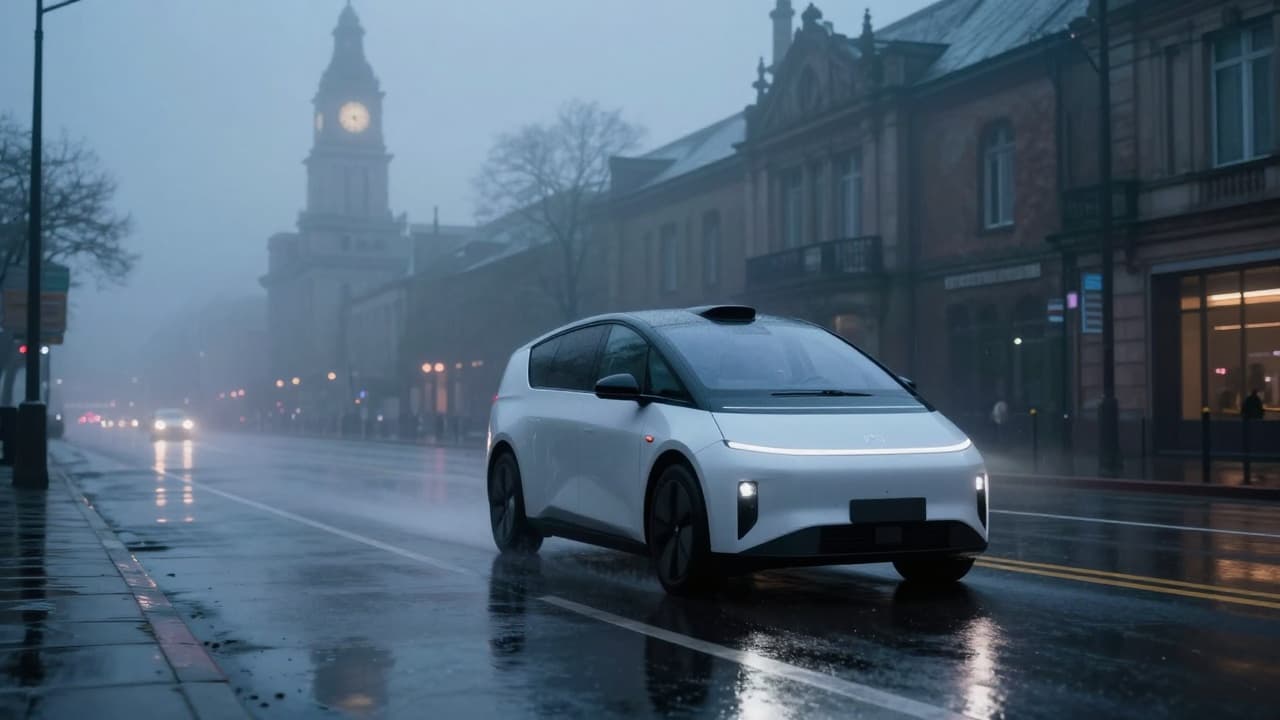
The introduction of autonomous vehicles on the streets of London has been delayed, with the robotaxi service not expected to launch in the current calendar year. Although the UK government had previously accelerated the timeline for trial rides, the situation on the ground shows a significantly slower pace. The main reason for the delay is the regulatory framework and the lack of clear guidelines that would allow for the faster approval of such services.
Although the government had accelerated the timeline, it is currently waiting for Transport for London (TfL) to publish the detailed guidelines necessary for obtaining approval. Without these clear administrative frameworks, the process of integrating autonomous vehicles into public transport is proceeding more slowly than initially planned. Despite this, public interest remains high, as evidenced by the fact that more than 100,000 Londoners have signed up for the waitlist for this type of transport.
At present, only Uber and Wayve have received initial permits for minibuses, but these come with strict restrictions. The permits allow driving only with a human driver present in the vehicle, which significantly limits the level of autonomy. TfL has approved a total of 15 vehicles, specifically the Ford Mustang Mach-E, which are equipped with specific software. These vehicles are also equipped with sensors, including radars, and are intended for driving under the supervision of a human operator, distinguishing them from fully autonomous solutions.
By comparison, the situation is progressing faster globally. Robotaxi services are already available in more than 20 cities worldwide, including the US, China, and the Middle East. While London waits for regulatory changes, other companies continue to test. For example, Waymo is currently undergoing a safety approval process with the relevant authorities, while it is working on launching a fully autonomous service by the end of the year, indicating a rapid technological advancement compared to the current regulatory framework in the British capital.