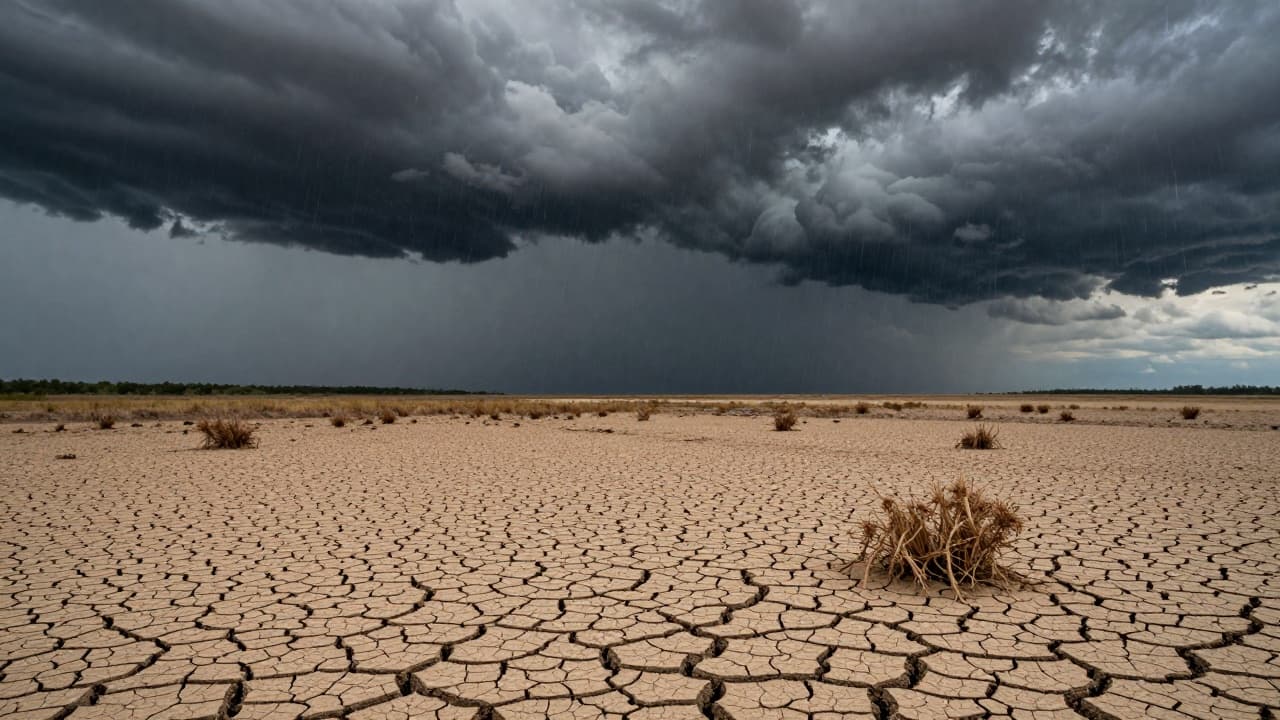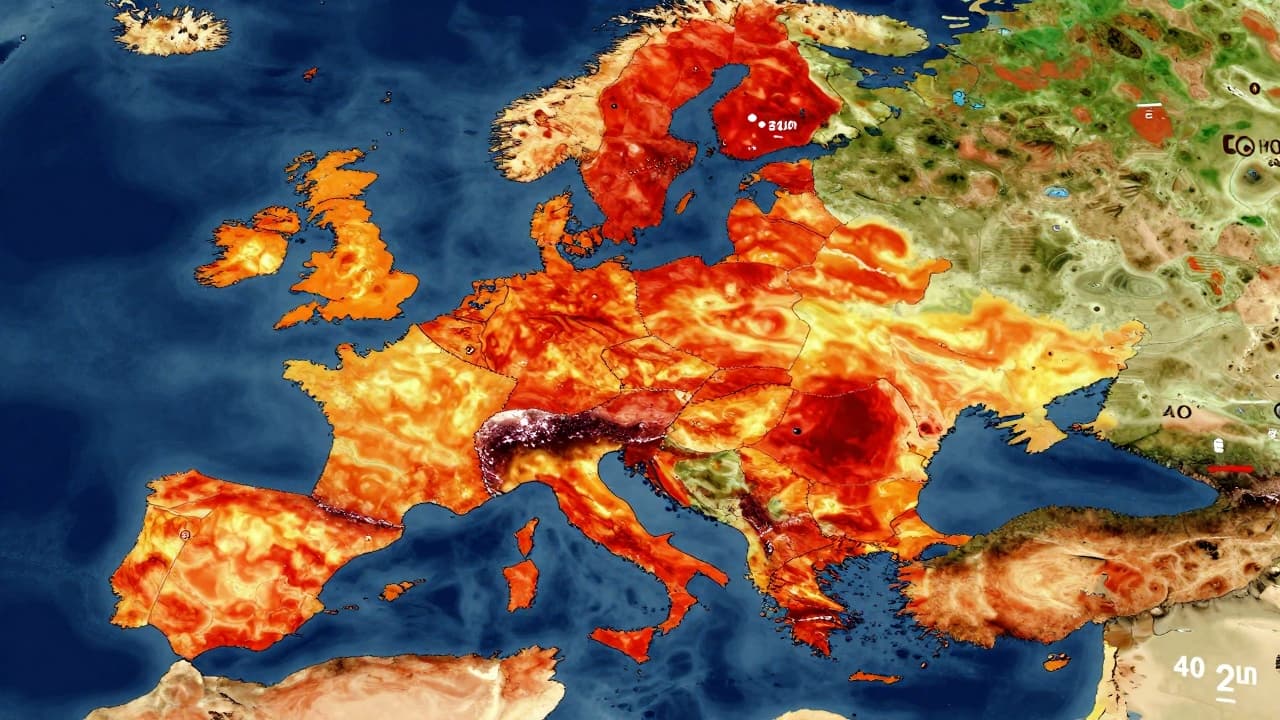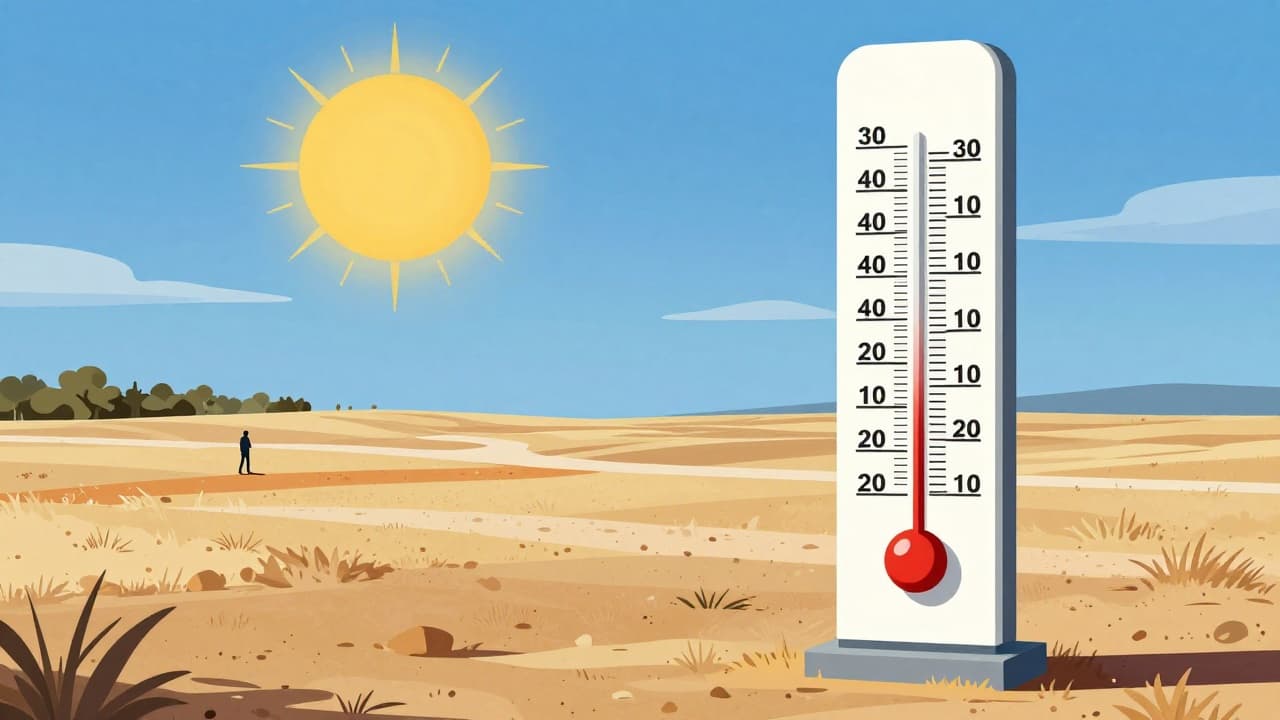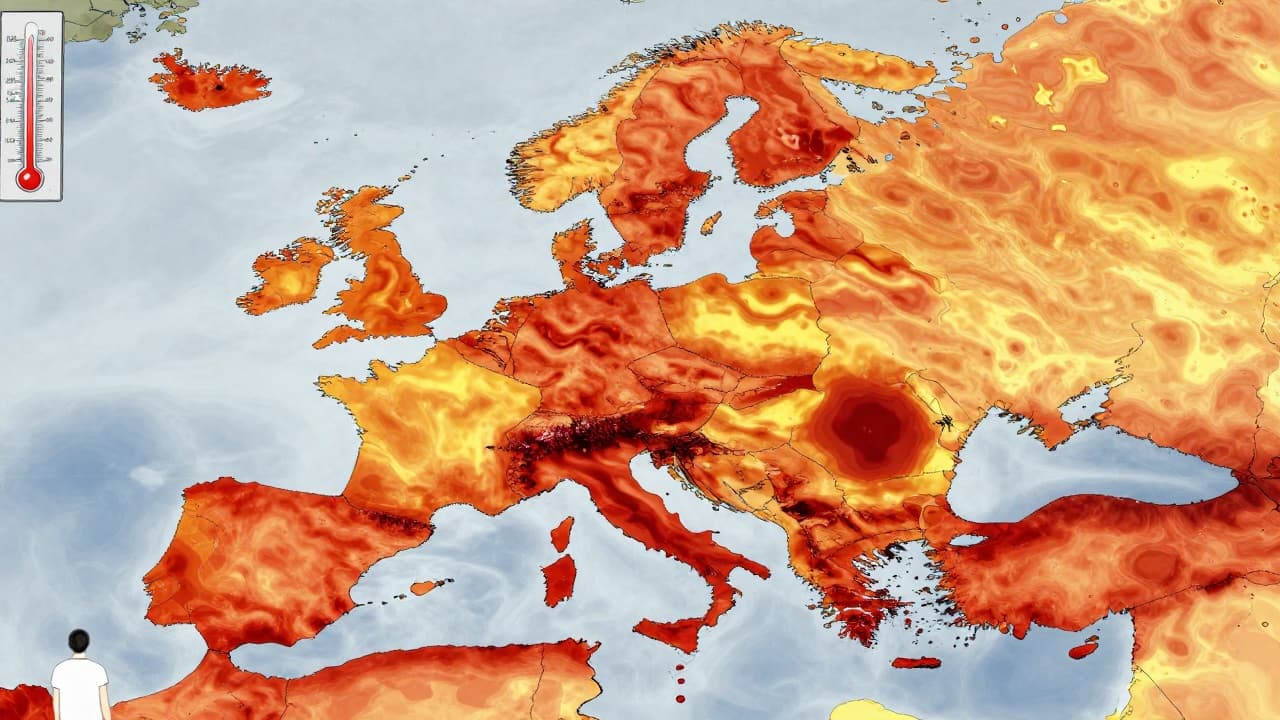
Half of England and all of Wales have been declared in a state of drought, representing a significant challenge for the region as climate change intensifies the frequency of extreme weather events. This measure comes in the context of exceptionally high temperatures currently affecting the United Kingdom and the wider European continent during this season.
According to data from the Environment Agency and Natural Resources Wales, the current situation marks the third such event in the last five years. This frequency indicates a shift in weather patterns, with drought becoming an increasingly common phenomenon requiring urgent water resource management.
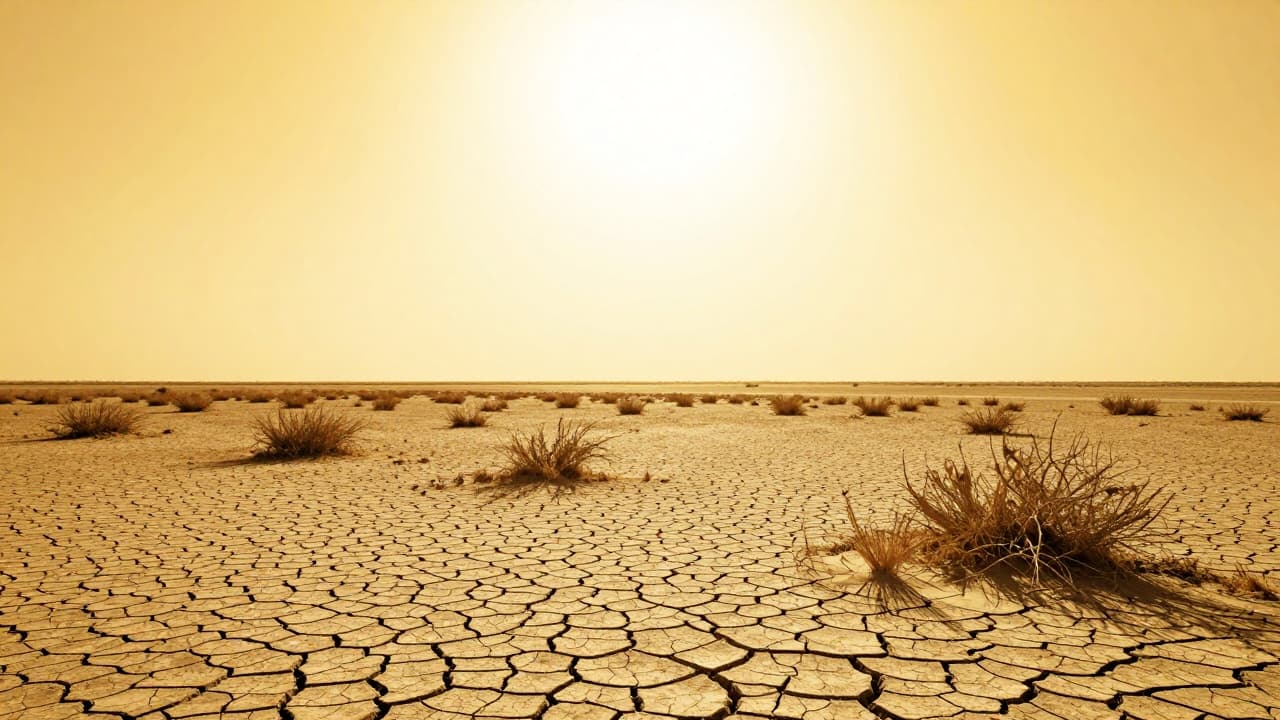
Meteorological data confirms that July will be the driest month on record. This forecast is based on the fact that there have been four heatwaves since May. These consecutive extreme conditions have significantly reduced rainfall, leaving the soil dry and increasing the risk of further climate disruption.
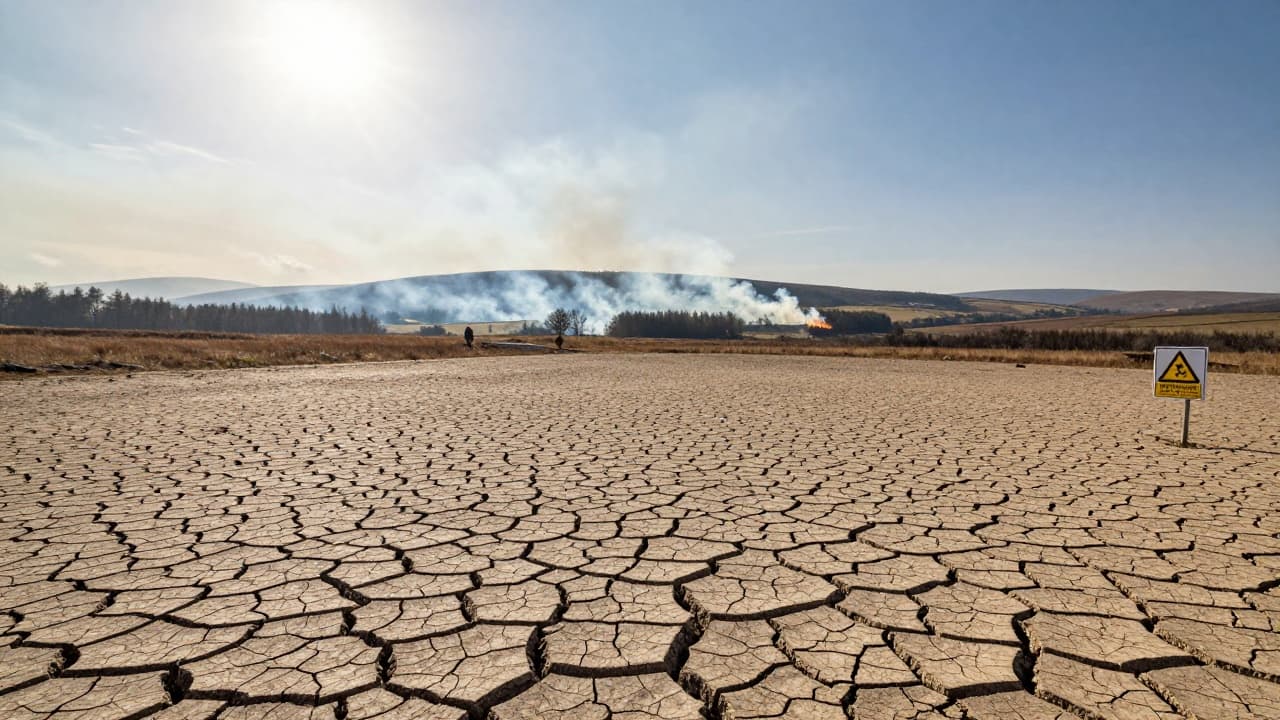
The consequences of this climate crisis are already visible in nature and the economy. Extreme heat, significantly amplified by the climate crisis, has triggered large forest fires. The fires threaten to spread into areas already weakened by a lack of moisture, making firefighting more difficult and increasing the danger to the public.
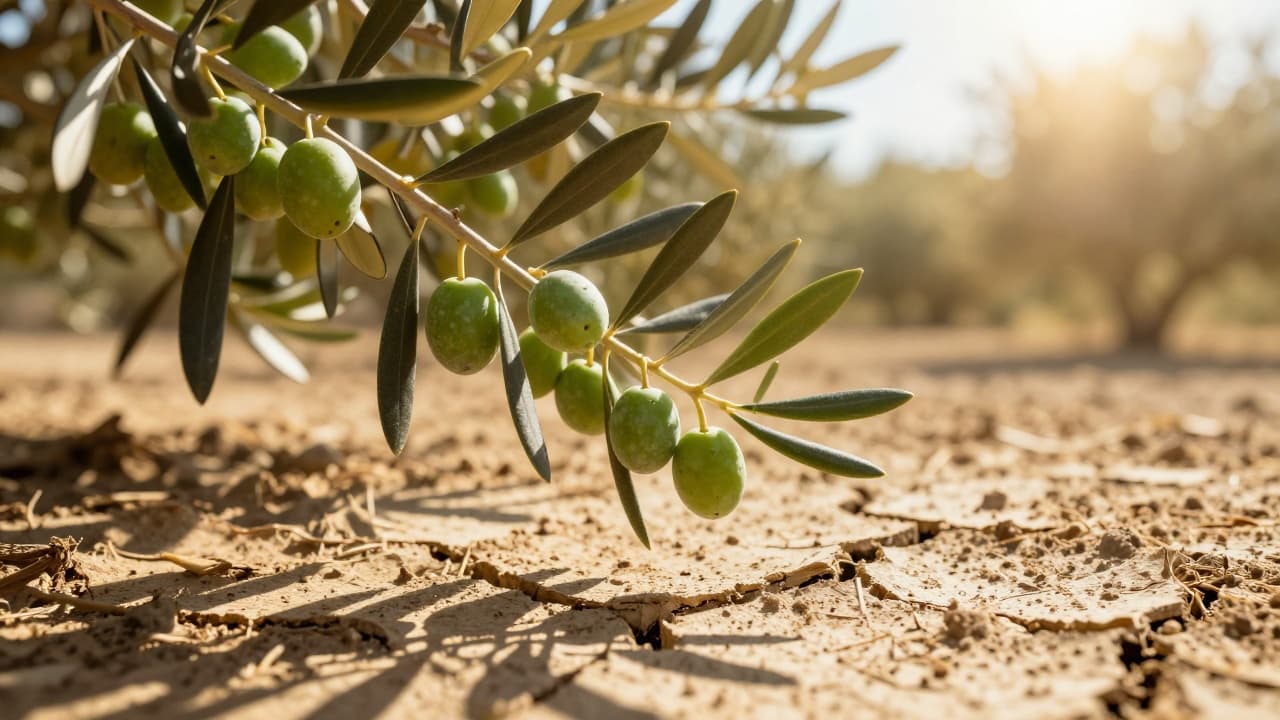
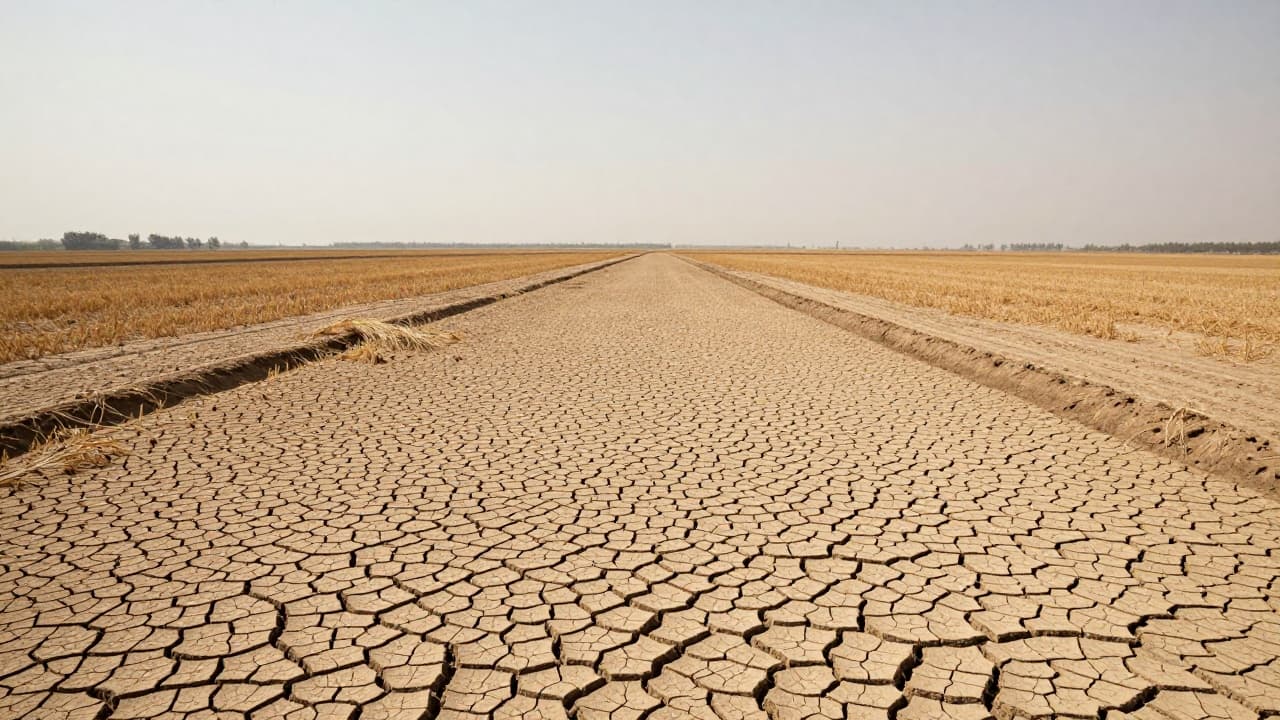
A critical situation has also emerged in the agricultural and environmental sectors. Farmers are facing a shortage of water for irrigation, while wildlife and protected habitats are left without essential sources of hydration. This lack of water poses a long-term threat to biodiversity and the sustainability of local ecosystems.