Benjamin Netanyahu said on Saturday that he would be willing to give up his position in the national unity government, which would initially be led by Gadi Eisenkot. Under his proposal for a rotational arrangement between the two parties, he would serve as the second-in-line head of the government.
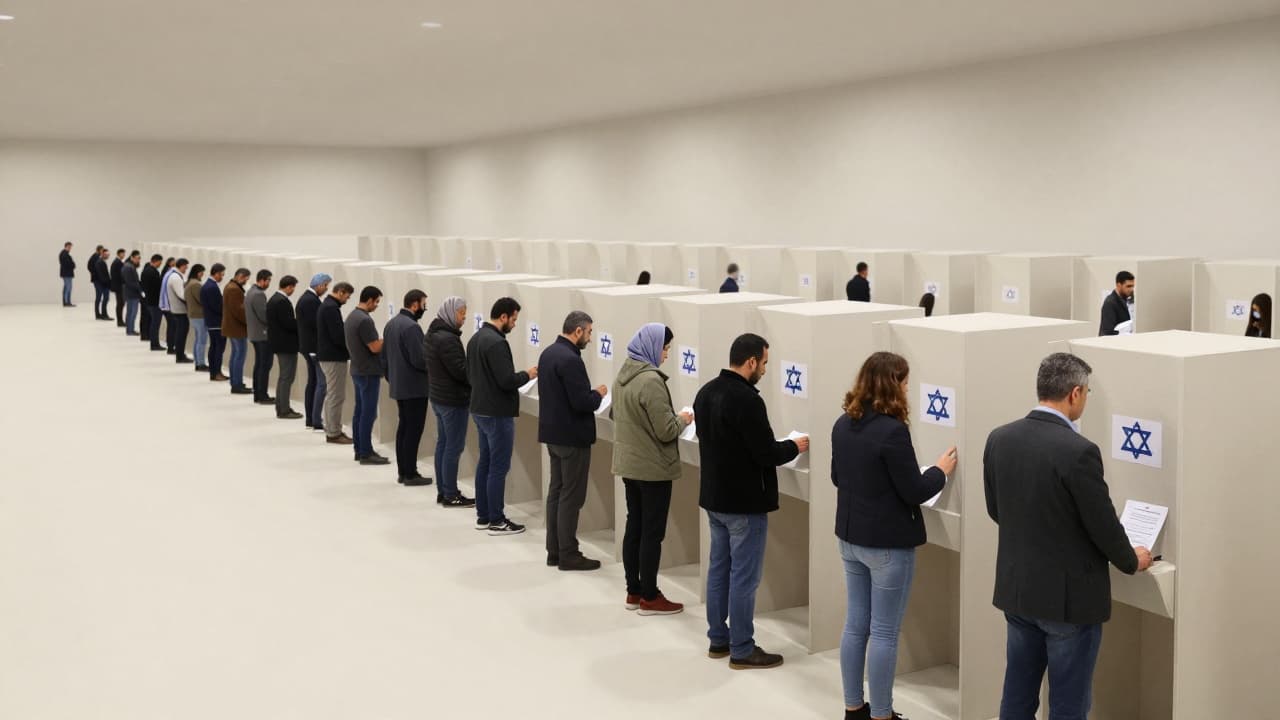
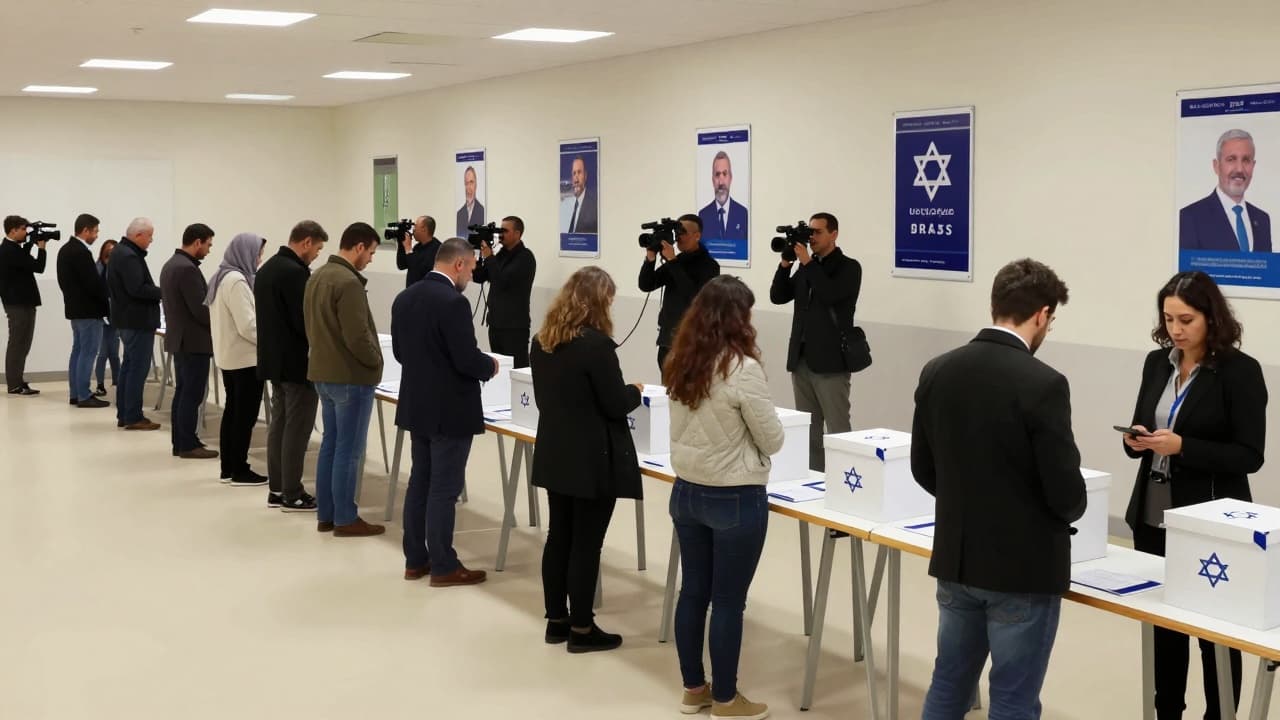
Eisenkot received a mandate from the Israeli president to attempt to form a government following the elections held on 27 October. Those elections did not provide either Eisenkot or Netanyahu with a clear path to power, leaving the formation of a coalition unresolved.
This week, Eisenkot signed a coalition agreement with two political partners, one from the left and one from the right. The former military chief may be close to forming a coalition with opposition support to oust Netanyahu from power. A spokesperson for Eisenkot's Yashar party did not immediately respond to a request for comment.
Netanyahu stated that he should lead the Israeli government. He also declared that, given the magnitude of the existential threat and the possibility of forming a government that would be unable to cope with that danger, his responsibility as a leader required him to set aside all personal considerations.
His offer comes as Eisenkot moves closer to assembling a coalition, with the rotational model remaining a key point in any potential national unity government agreement between the two parties.