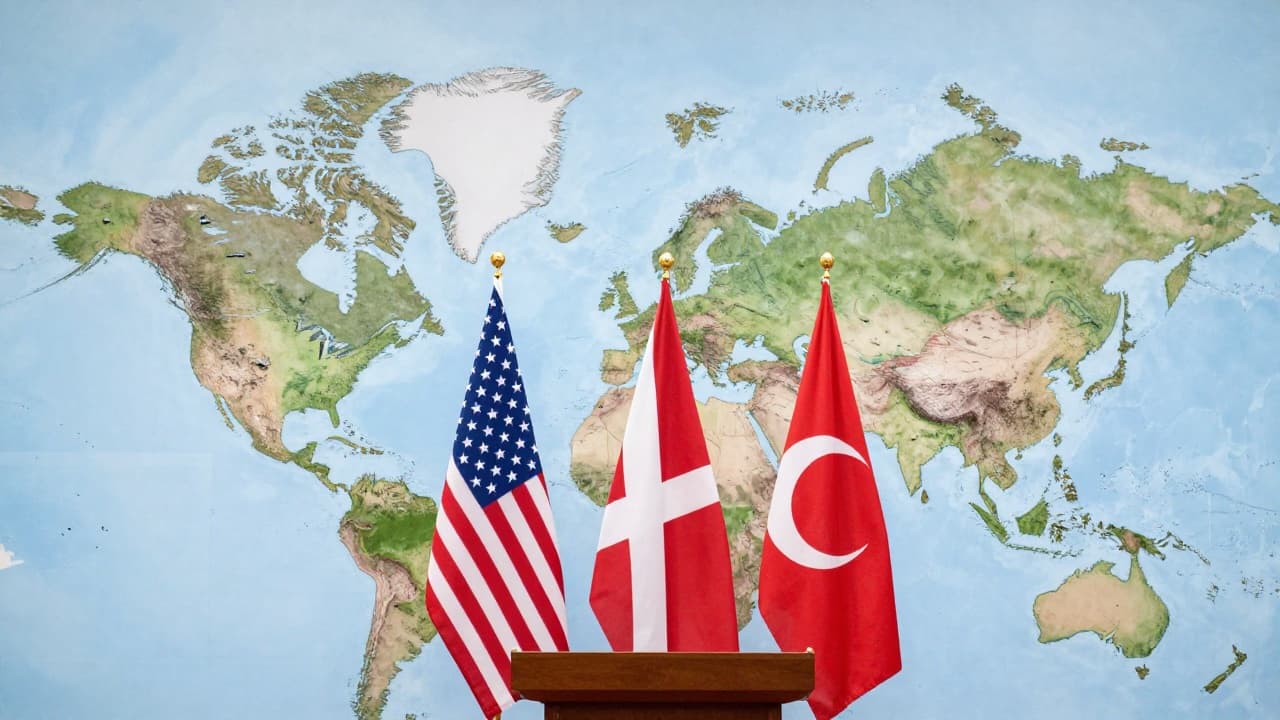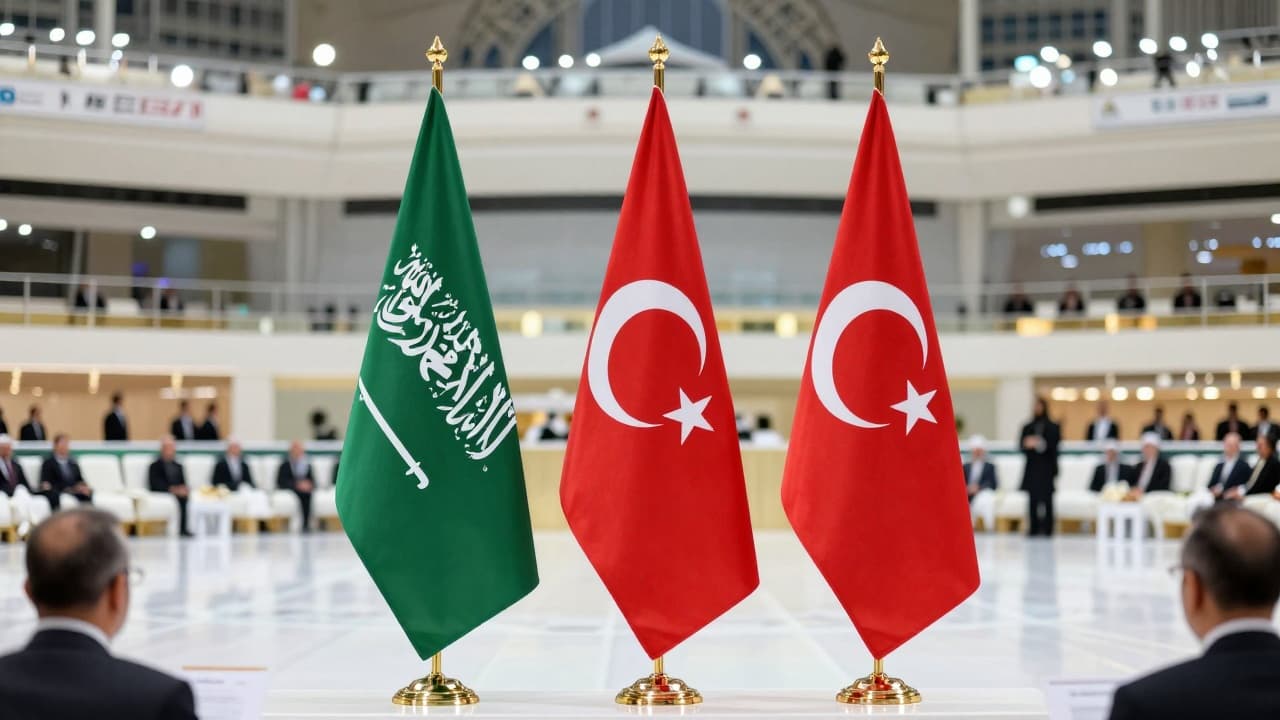
Saudi Arabia, Turkey and Pakistan have signed a joint defence pact committing to mutual protection in the event of an external threat. The agreement was officially announced on Friday, signed by the top officials of the three countries during a meeting in the Saudi city of Mecca. Attending the meeting were Saudi Crown Prince Mohammed bin Salman, Turkish President Recep Tayyip Erdogan and Pakistani Prime Minister Shehbaz Sharif.
According to a statement from the Pakistani Ministry of Foreign Affairs, the key provision of the agreement states that any attack on one of the three states is automatically considered an attack on all three. This clause represents a significant step in the institutionalisation of security cooperation, which the three countries have been intensively developing to respond to growing regional instabilities and threats.
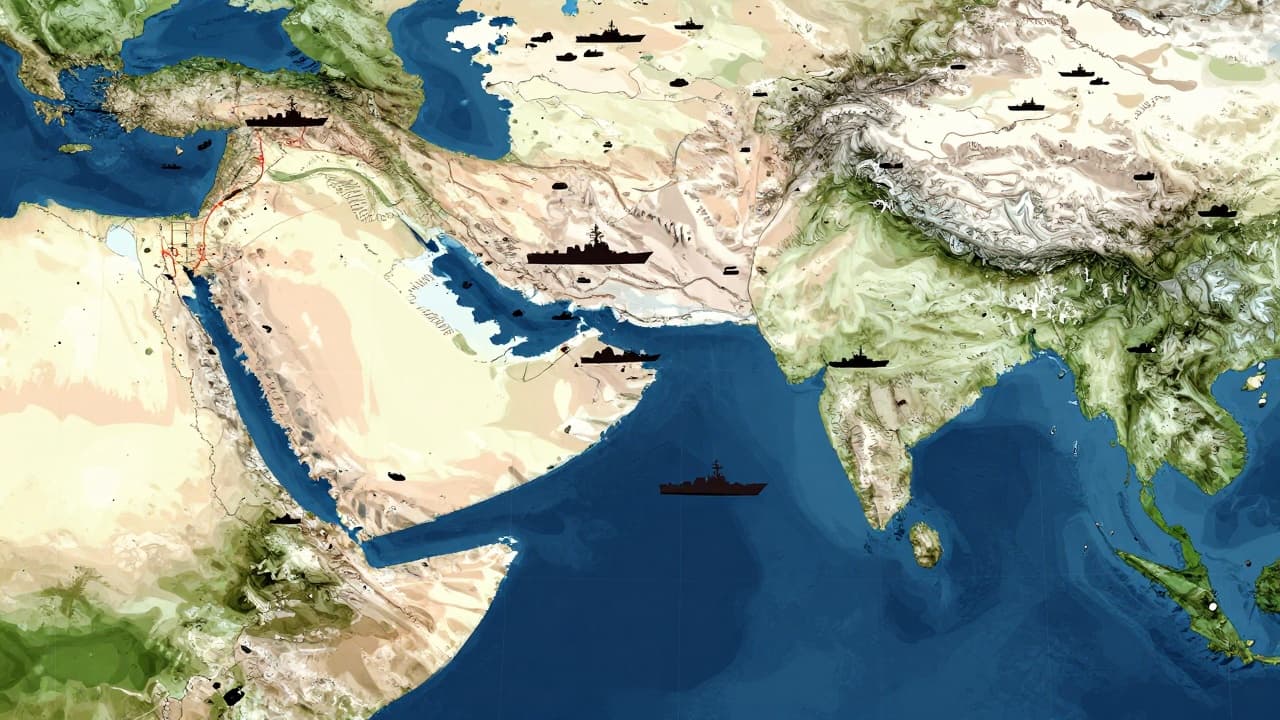
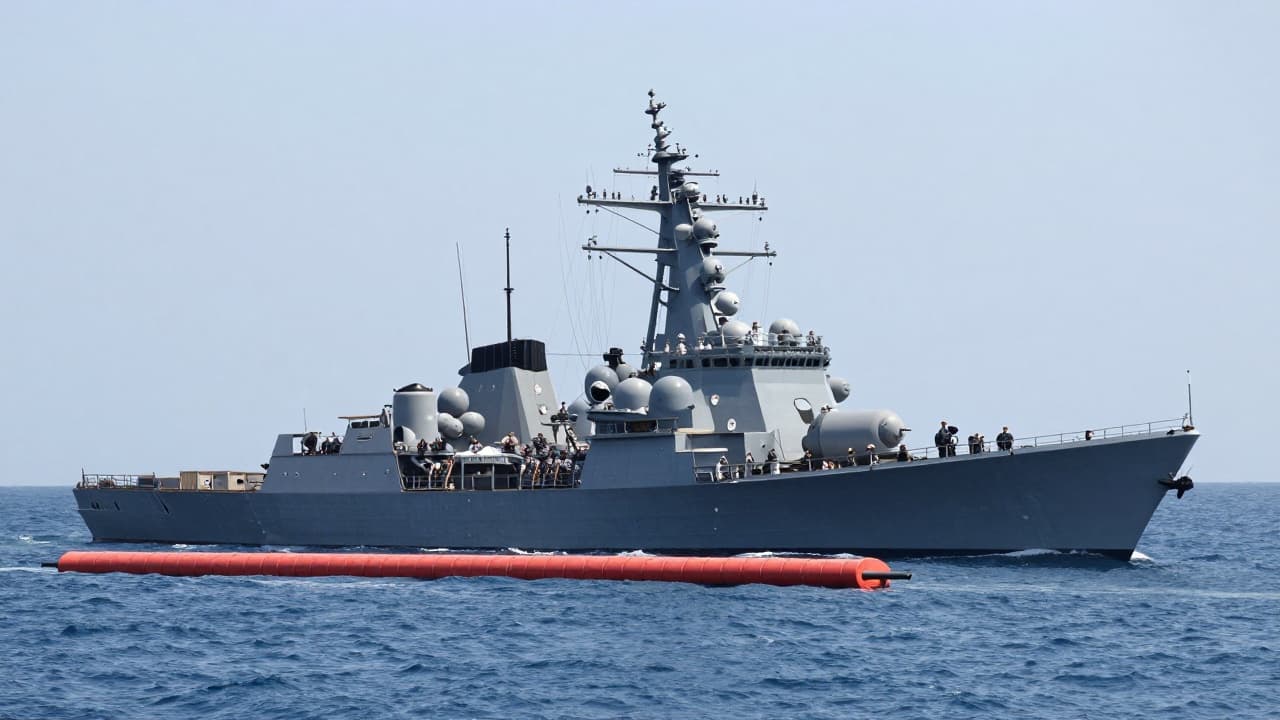
The decision to strengthen the defence coalition comes at a time when Saudi Arabia is directly involved in the escalation of conflict between the United States and Iran. This wider conflict has led to serious disruption in maritime traffic, particularly through the Strait of Hormuz and the Red Sea, threatening global trade routes and the region's energy security.
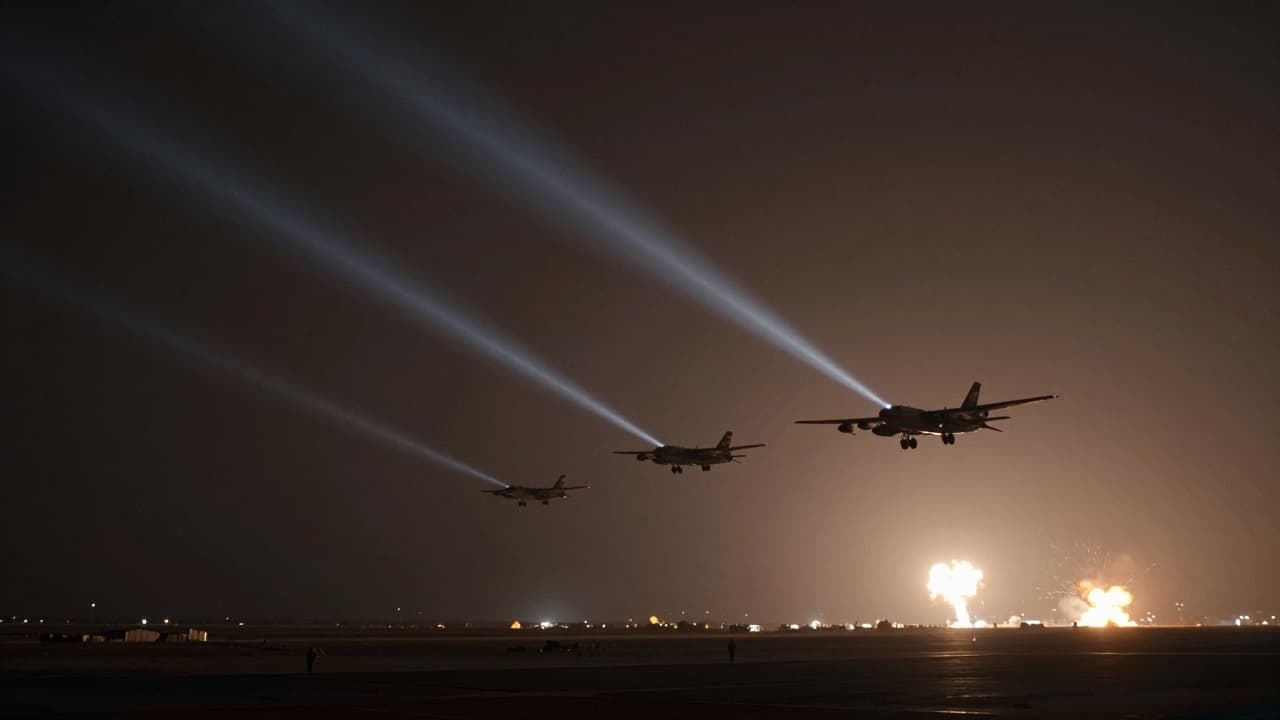
Tensions have been further heightened after Iran and its allies, including the Houthi rebels in Yemen, launched a series of attacks on targets in Saudi Arabia and other Gulf countries. The Houthi rebels, who control northern Yemen and have been fighting for years against the government supported by the Saudi-led coalition, declared a maritime blockade against Saudi Arabia last month.
The rebels targeted Saudi airports, oil facilities and ships in the Red Sea, prompting Saudi Arabia to respond with air strikes on Houthi positions. In response to threats to maritime traffic, Saudi Arabia recently formed a new maritime coalition aimed at protecting ships in the Red Sea and the Gulf of Aden.
This new trilateral agreement builds on previous cooperation, given that Saudi Arabia and Pakistan already signed a joint defence pact last year. Experts believe this move is a direct reaction to the security challenges posed by Iranian policy and the actions of its allies in the region.