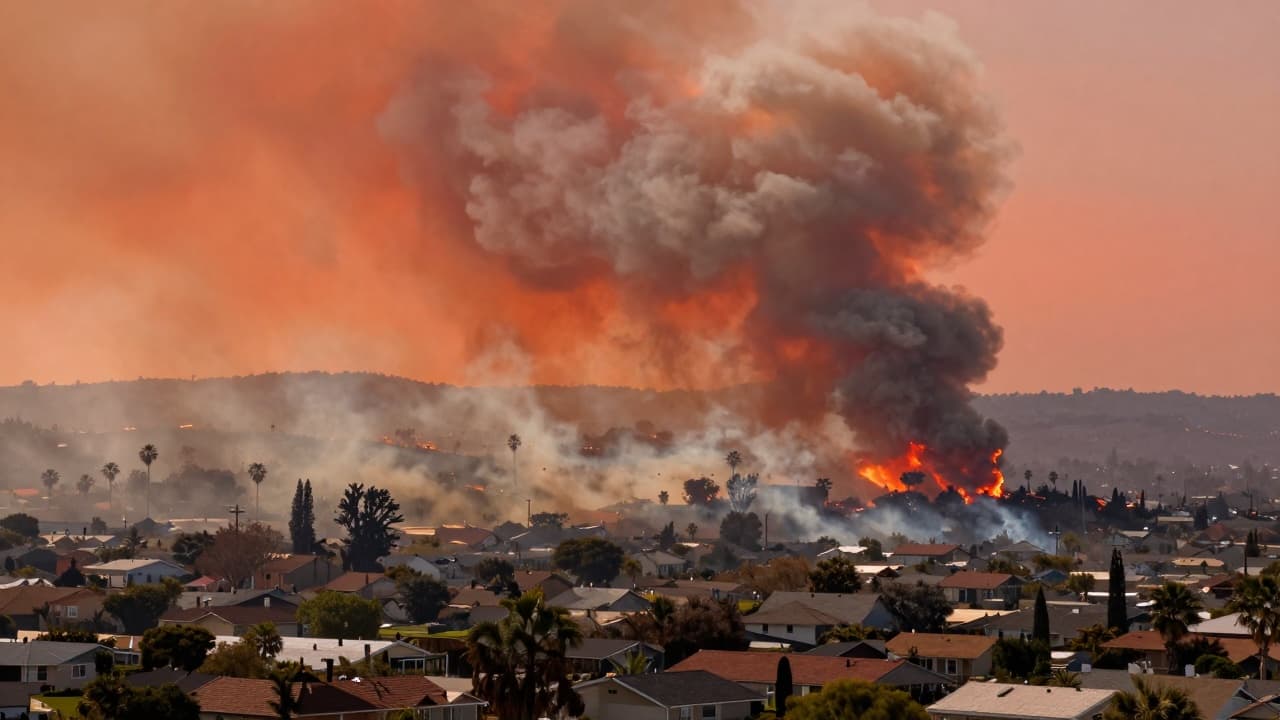
The fire that broke out in California in January 2025 created toxic smoke that covered seven million people, and a new study showed that lead concentrations in the air were up to 80 times higher than usual. The research was conducted by chemists at the California Institute of Technology (Caltech) and published in the journal Science Advances.
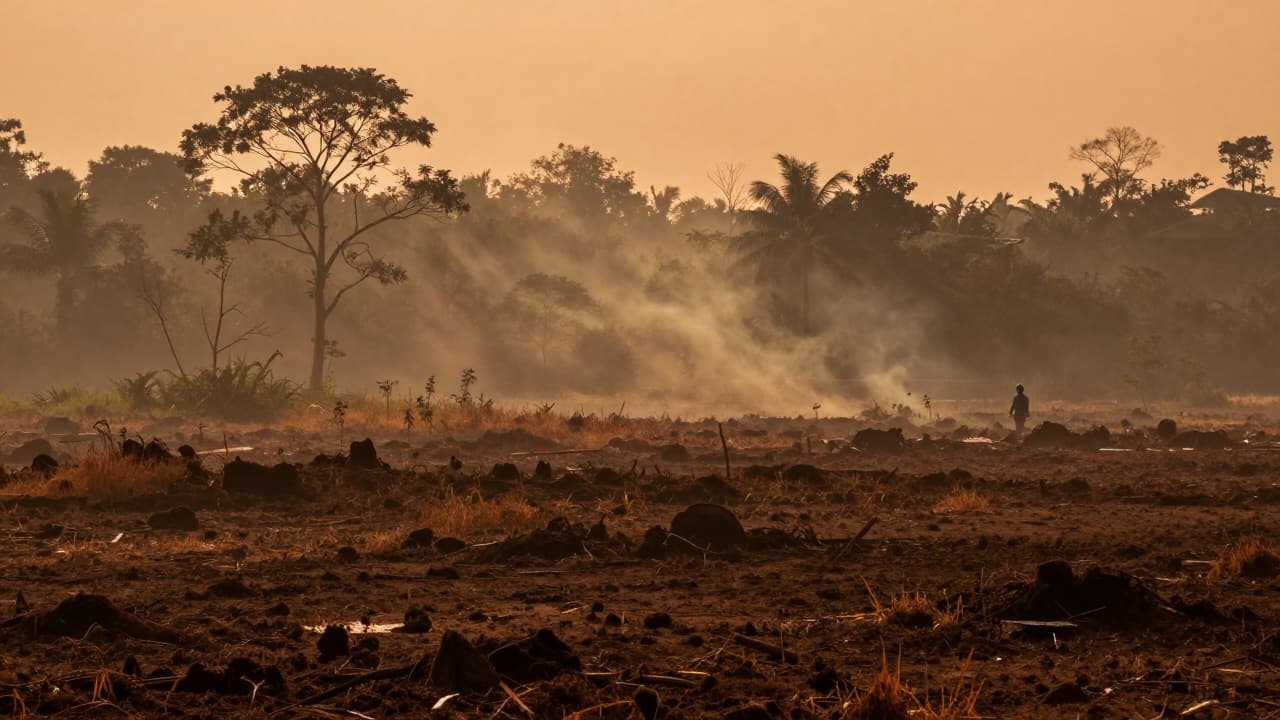
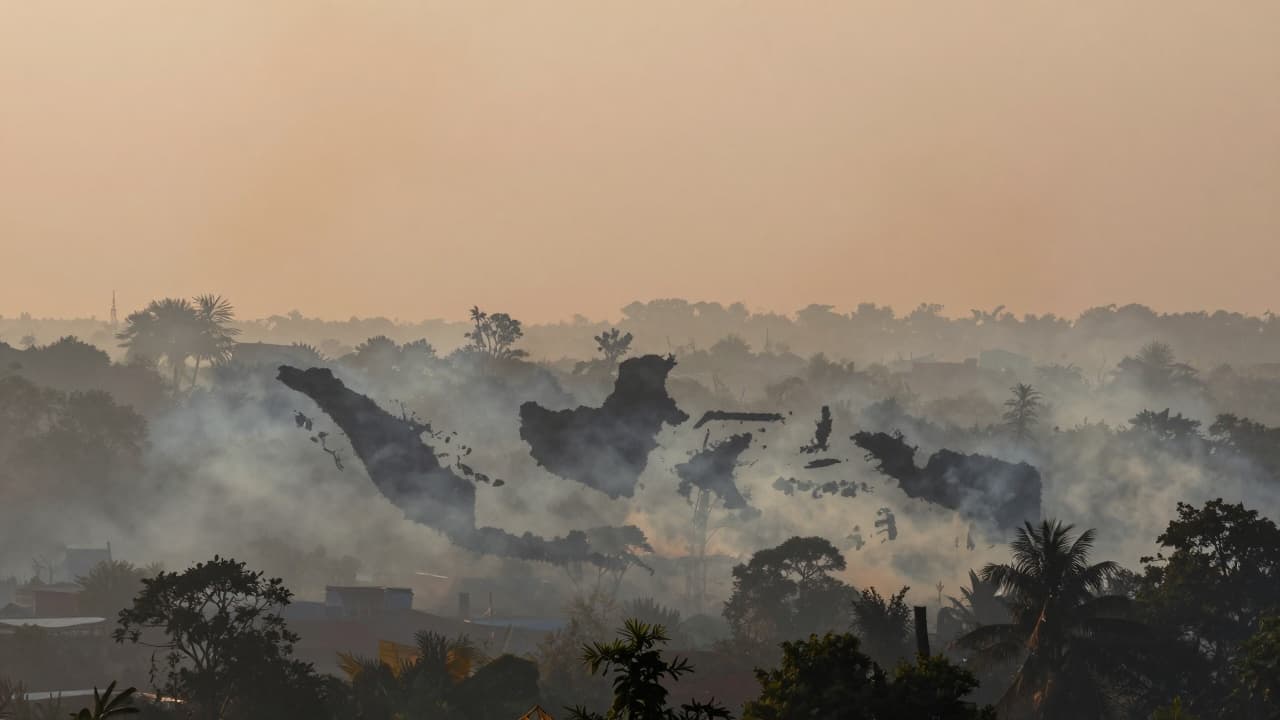
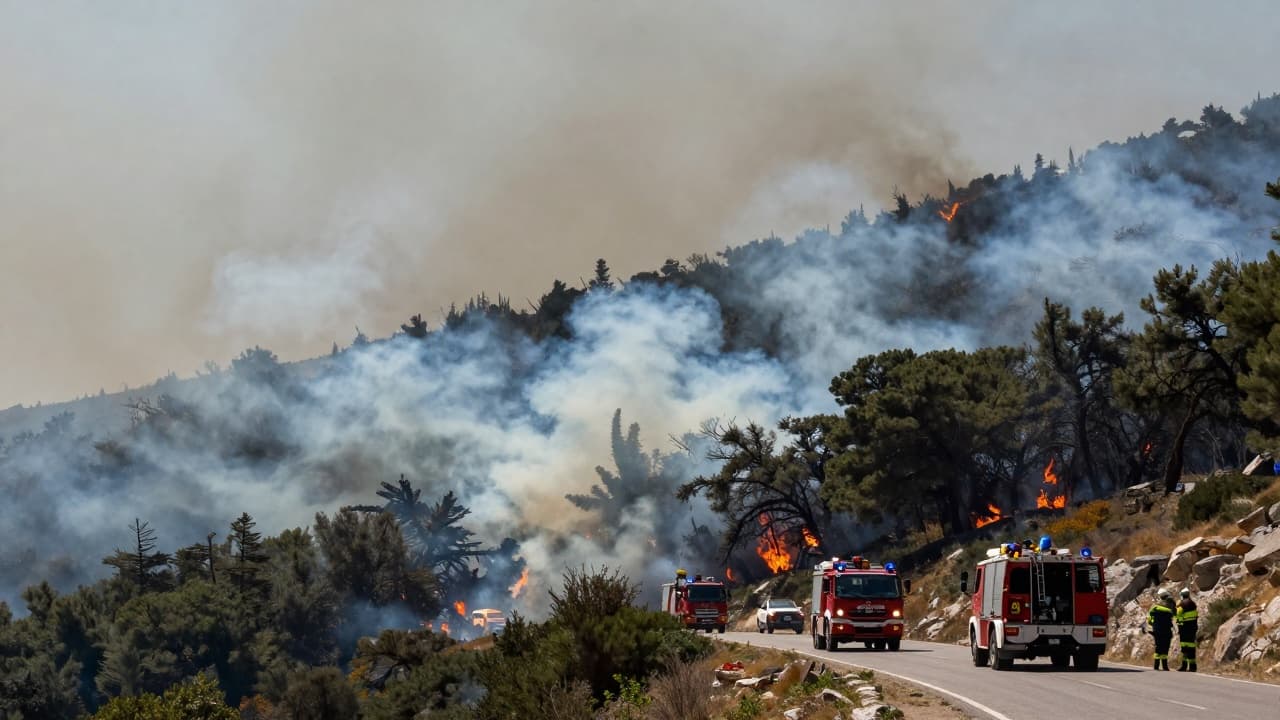
Santa Ana winds spread the fire from the Eaton Canyon to Altadena in California on 7 January 2025. A massive smoke cloud covered approximately seven million Los Angeles residents, and the air was saturated with lead for 24 hours at concentrations up to 80 times higher than usual. In addition to lead, the smoke contained high concentrations of chlorine, bromine, zinc, copper and arsenic. The research team was led by Haroula Baliaka and Nga Ng.
More than 9,000 structures, including houses, electronics and vehicles, burned in the area. Caltech’s air quality monitoring station in Pico Rivera recorded pollution data in real time, and air quality was worst during the first two days of the fire. On 9 January, approximately seven million residents were exposed to lead concentrations greater than 50 nanograms per cubic metre, while the usual daily lead level in Pico Rivera averages 0.6 nanograms per cubic metre. The number of exposed people continued to rise as the cloud spread, although peak concentrations fell as the fire moved from structures to unpopulated areas.
A team from the University of California, Los Angeles (UCLA) published similar results based on data from their monitoring stations. Caltech researchers compared the data with that from a wildfire that broke out in unpopulated Riverside in 2024. Compared with that fire, smoke from the Eaton Canyon contained 50 times higher lead concentrations, seven times more chlorine and bromine, four times more zinc, and three times more copper and arsenic.
Many houses in Altadena were built in the first half of the 20th century, when lead paints and brominated flame retardants were often used. Health consequences for people exposed to the smoke are not yet known, and scientists are concerned about the long-term effects of pollution settling on children’s playgrounds, in watersheds and on agricultural land. Lead and arsenic are toxic, and little is known about the consequences of short-term but intense exposures to complex chemical mixtures. Evidence suggests that such catastrophes will become increasingly frequent.