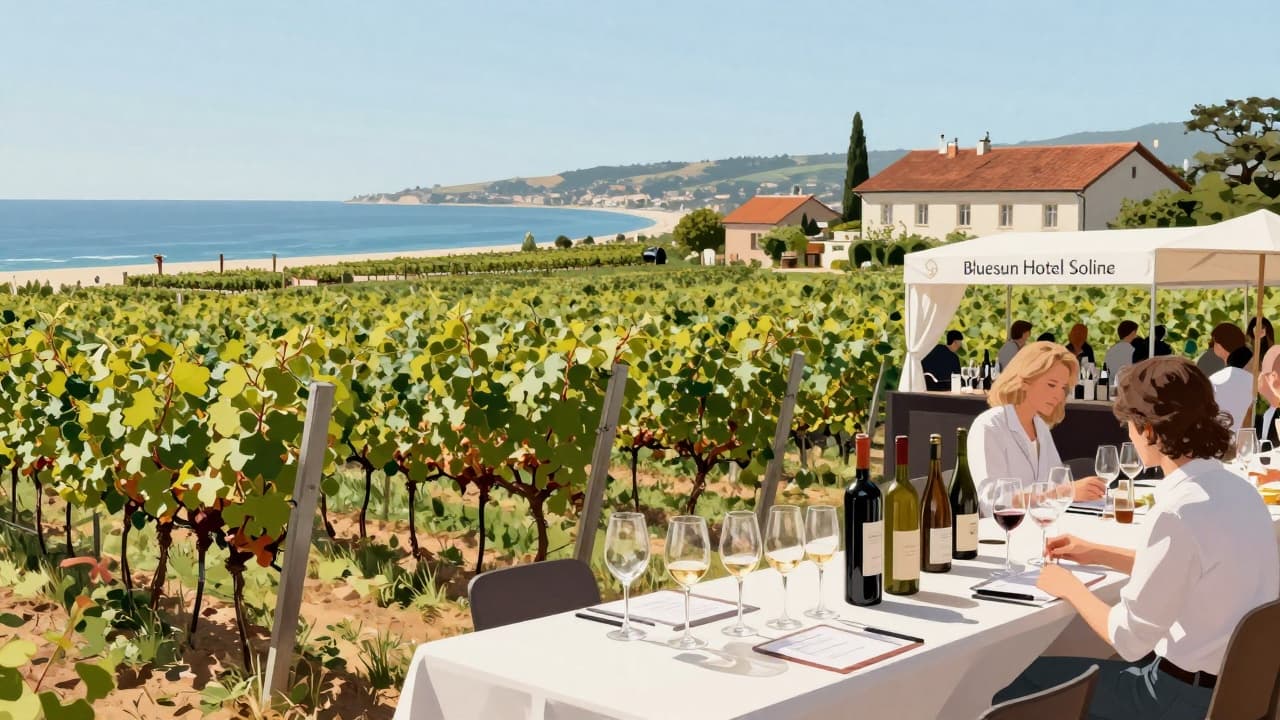
Baćina is one of the few Dalmatian places that has managed to avoid mass tourism, preserving its natural beauty and traditional way of life. The Baćina lakes, of which there are seven, are particularly famous, creating ideal conditions for fig growth and development through their surrounding environment. High summer temperatures and proximity to clean drinking water make this area suitable for growing this fruit tree, while the local bjelica variety is considered native to the Baćina-Neretva region.
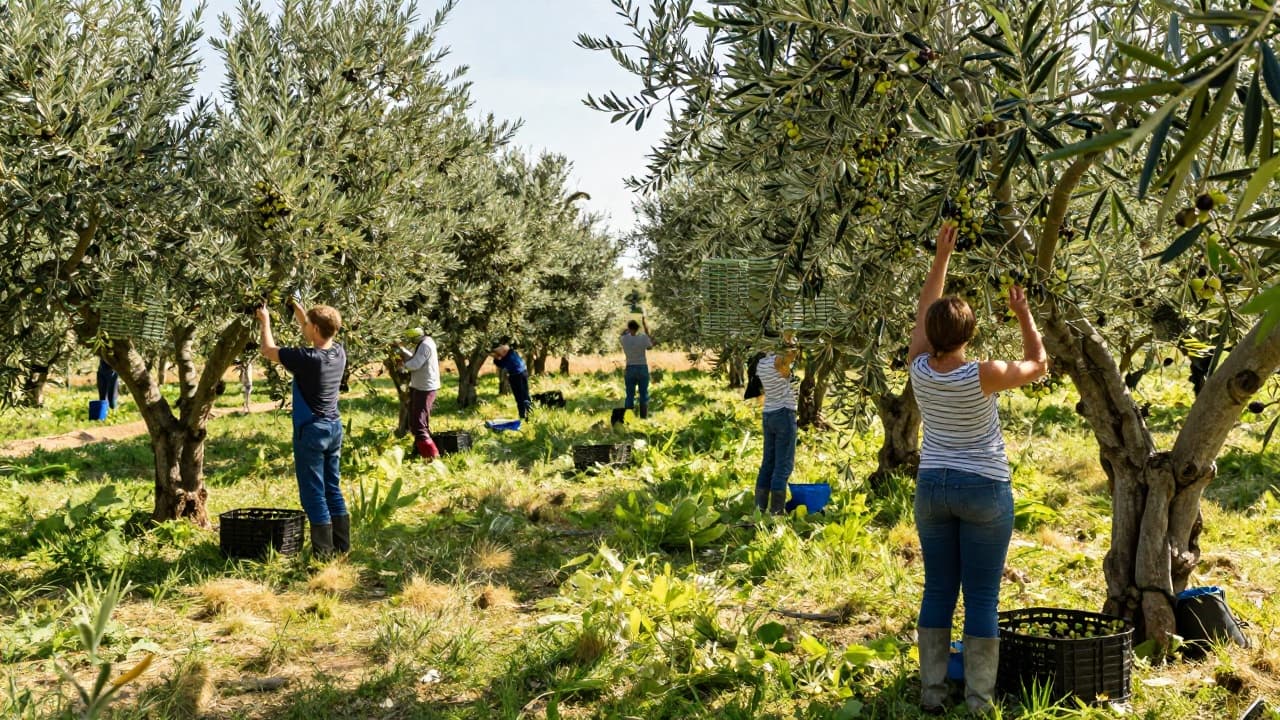
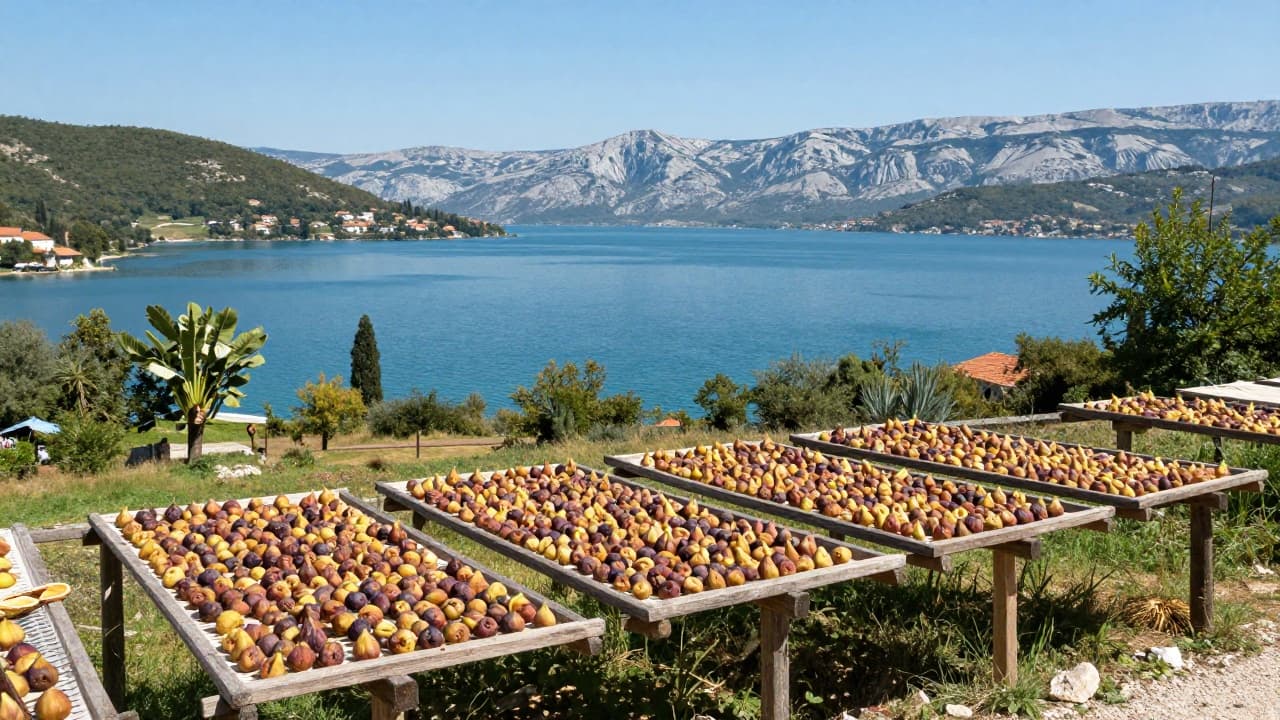
Jurica Giljević, an agronomist and owner of a family farm, is involved in growing and drying figs in a traditional manner. He has around 80 fig trees on his farm, and the harvest begins only when the fruits are fully ripe and easily detach from the stem. Only healthy, ripe and undamaged figs are carefully selected for the harvest, which are then placed on drying racks in a location exposed to the sun but protected from moisture.
Drying figs in Baćina utilises the benefits of the Dalmatian sun and the summer maestral wind, which help in the even drying of the fruits. During the process, the figs are regularly inspected and turned to prevent excessive drying out or spoilage due to moisture. This traditional knowledge of drying has been passed down from generation to generation, and the entire process was part of the household economy that involved the whole family. Children learned to distinguish good fruits from those that should be discarded, and the work also had an important social dimension through conversations and the exchange of experiences.
After drying, the figs undergo morbanje, a traditional Dalmatian process involving soaking the dried fruits in salted boiled seawater. This step serves to disinfect and preserve the softness and appearance of the figs. Experienced producers can recognise the readiness of the fruits for morbanje by the feel under their fingers. Dried figs from the Baćina lakes were an important source of food during the winter, especially in difficult times such as the Second World War.
Today, Jurica Giljević continues this tradition of drying figs on racks in front of his house, right by the lake. This year, he managed to dry around one tonne of dried figs, of which 750 kilograms are first class. He packs them in one-kilogram packages with a bay leaf, and the market price is 13 euros per kilogram. This tradition continues to live on thanks to the enthusiasm of local producers and the special connection with the natural conditions of the Baćina lakes.