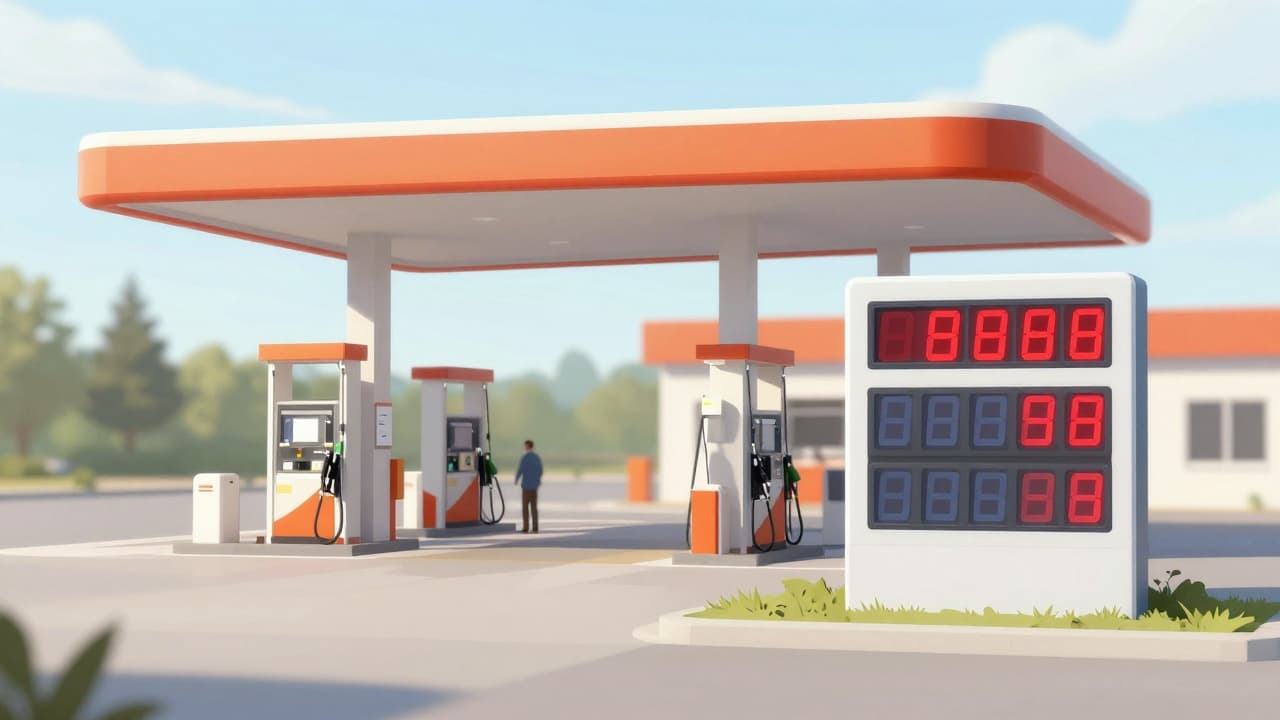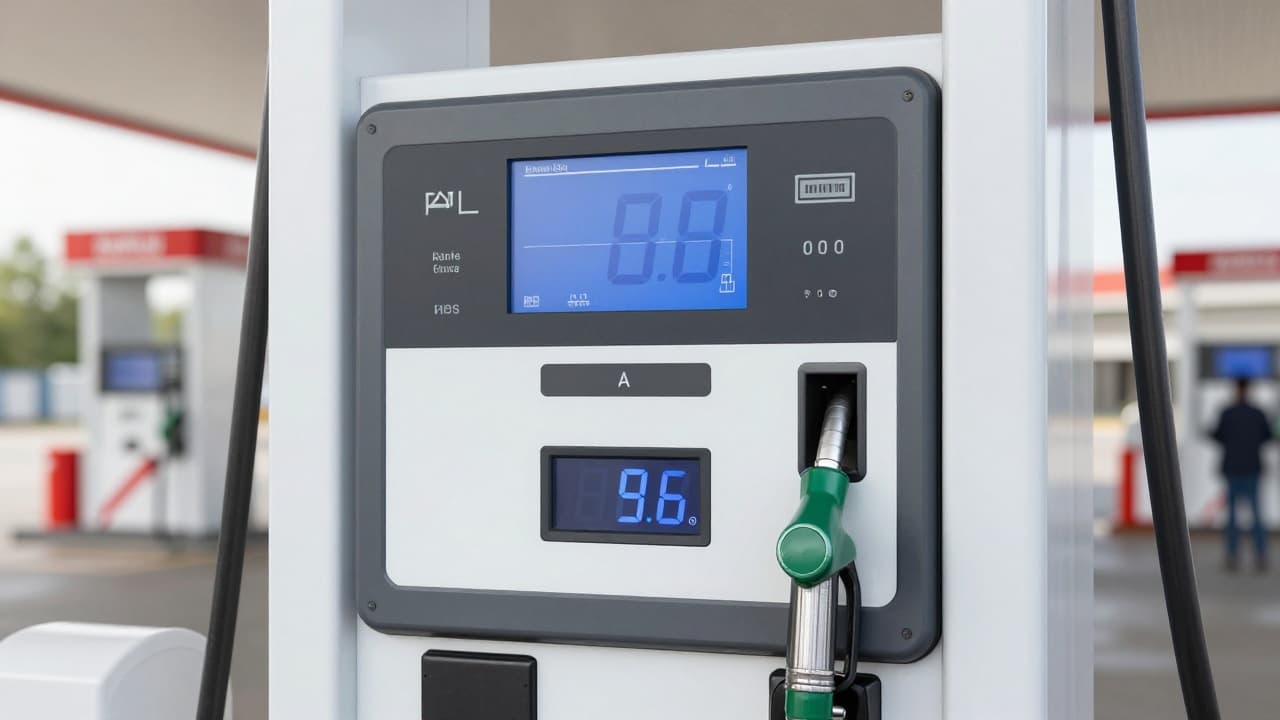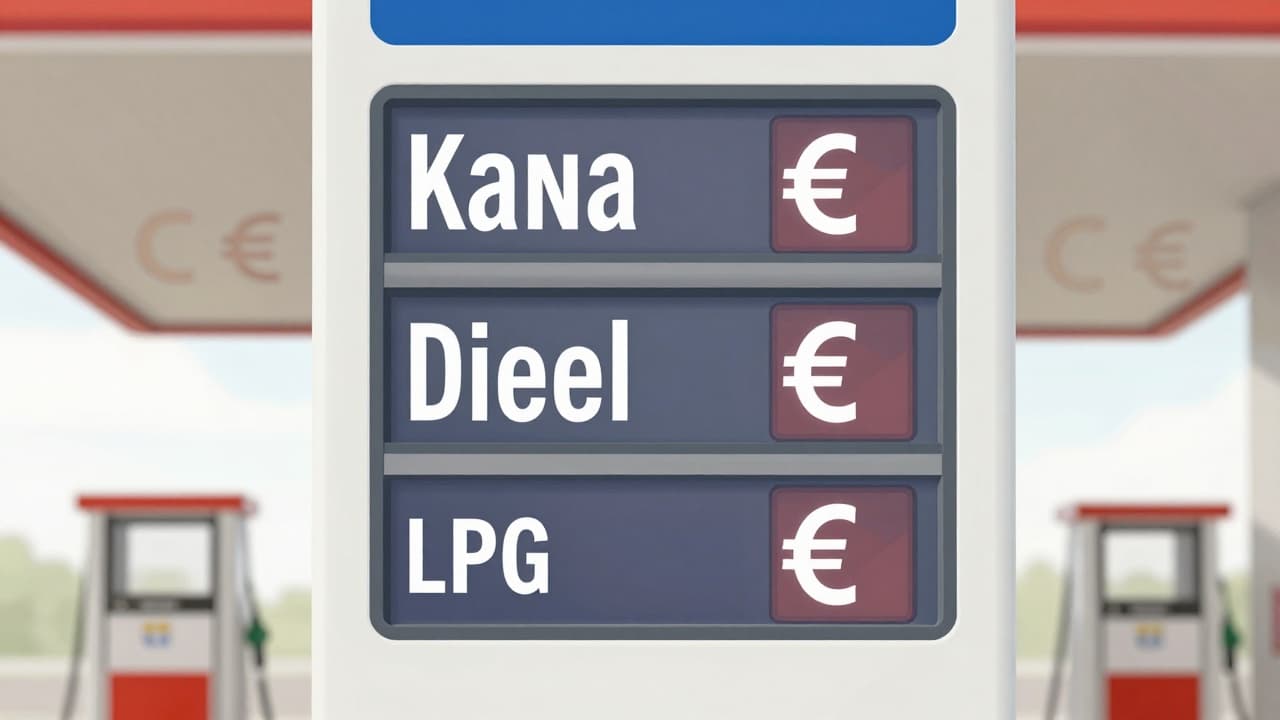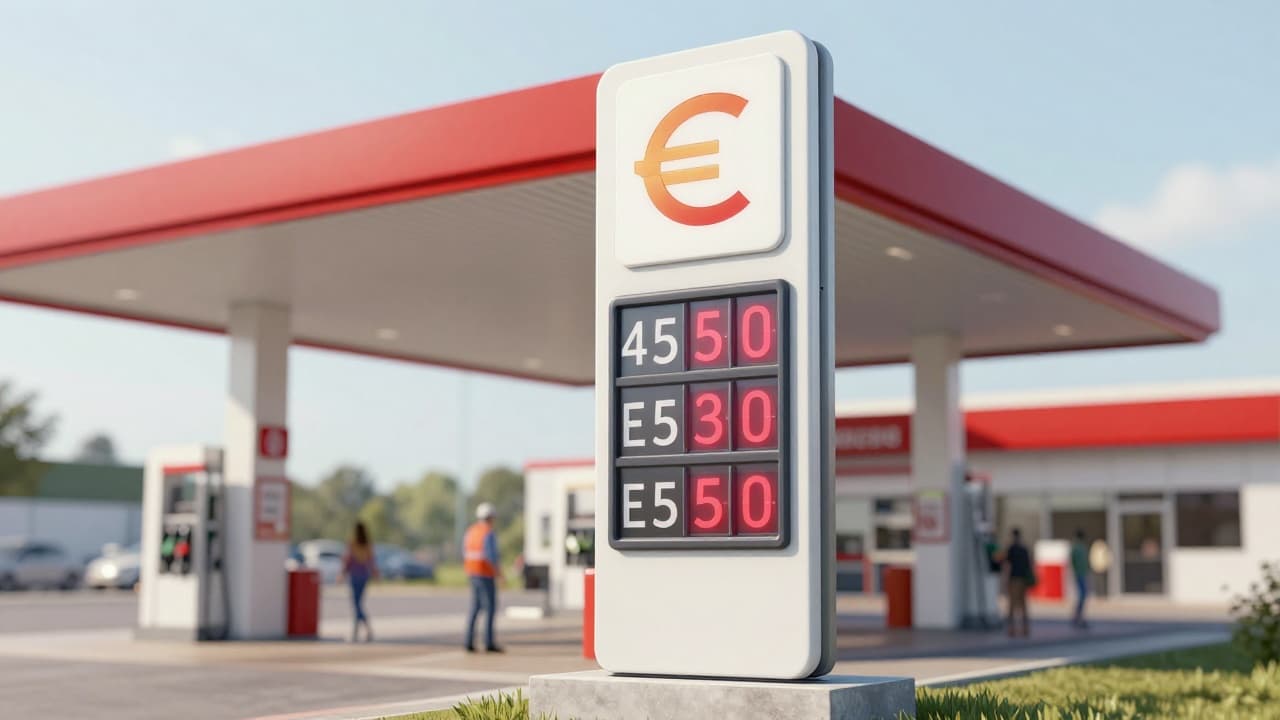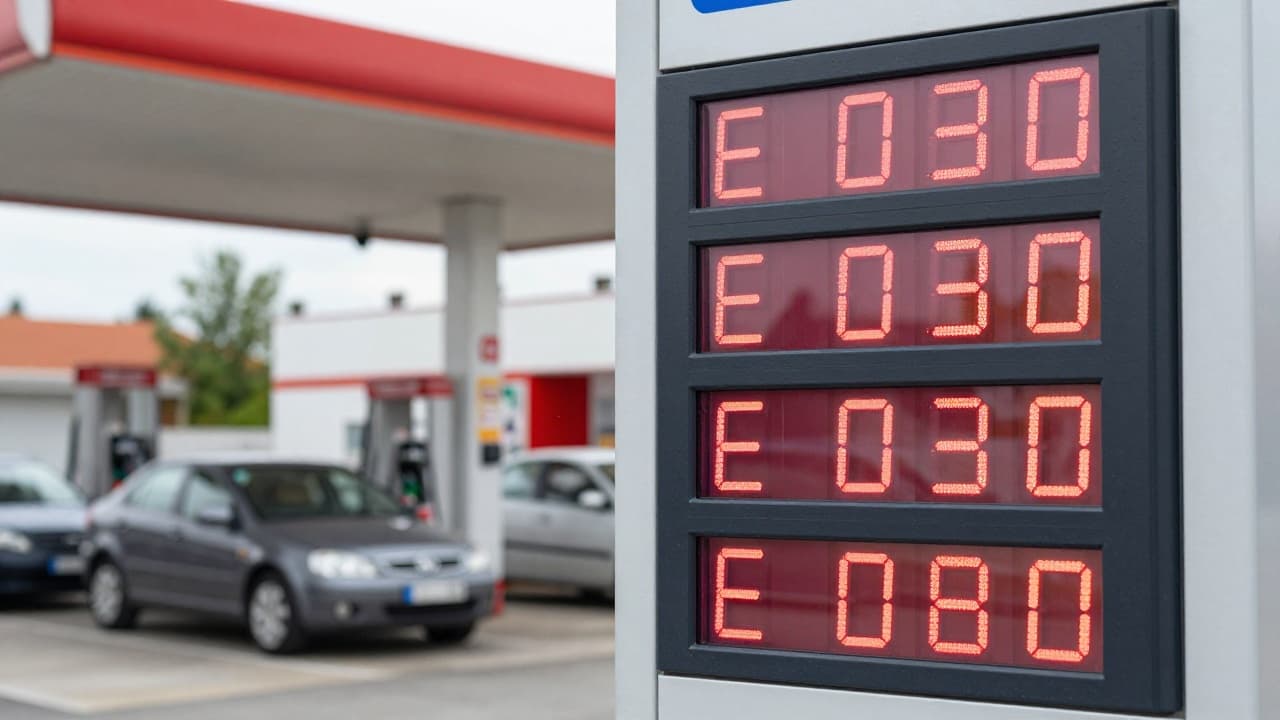
Fuel prices in Croatia have risen significantly this week, marking one of the steepest increases in recent times. The price of standard petrol has risen by 8 cents to 1.62 euros per litre. Diesel, which is 16 cents more expensive, is priced at 1.75 euros per litre, while blue diesel (automotive diesel) has risen by 19 cents to 1.21 euros per litre.
The government has intervened by capping margins for traders and reducing excise duties. Without these measures, the price of petrol would currently stand at 1.77 euros per litre, and diesel at 1.94 euros. For drivers with diesel vehicles, a 50-litre fill-up now costs 8 euros more than before the price hike.
The primary cause of the sharp price rise lies in international market dynamics, where oil prices have surged in July. Brent crude is currently trading at around 88 dollars per barrel, with July seeing a rise of approximately 21 per cent. This sudden spike was triggered by the escalation of tensions between the US and Iran, as well as disruptions in traffic through the Strait of Hormuz.
Before the conflict, approximately one-fifth of the world's oil supply passed through the strait. The reduced supply of refined products has further pushed up prices, a consequence of attacks on refineries in the Middle East and Russia. The Saudi Arabian Jizan refinery, with a capacity of 400,000 barrels a day, was closed following attacks by Houthi rebels, while part of the large Al-Zour refinery in Kuwait is also out of operation.
Compounding the situation, Ukrainian attacks continue to target Russian refineries, further complicating the global energy market. These factors combined have resulted in high prices at the pump in Croatia, despite government efforts to mitigate the impact on consumers.