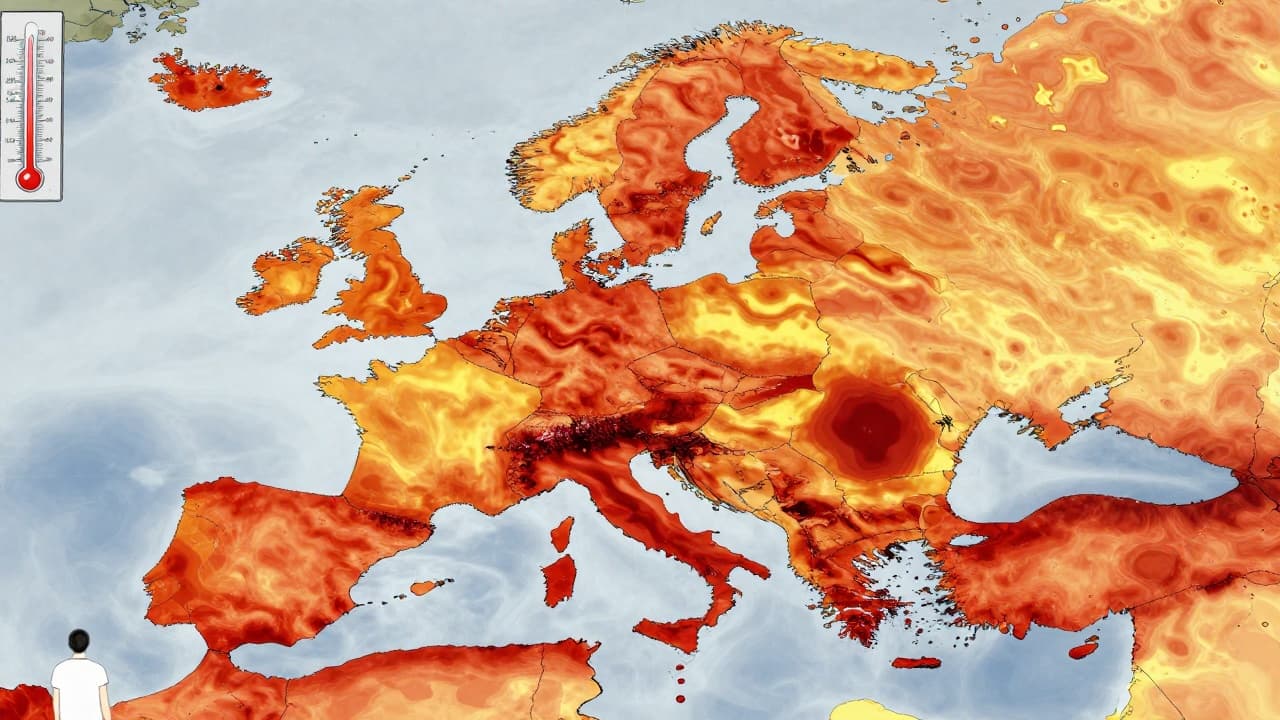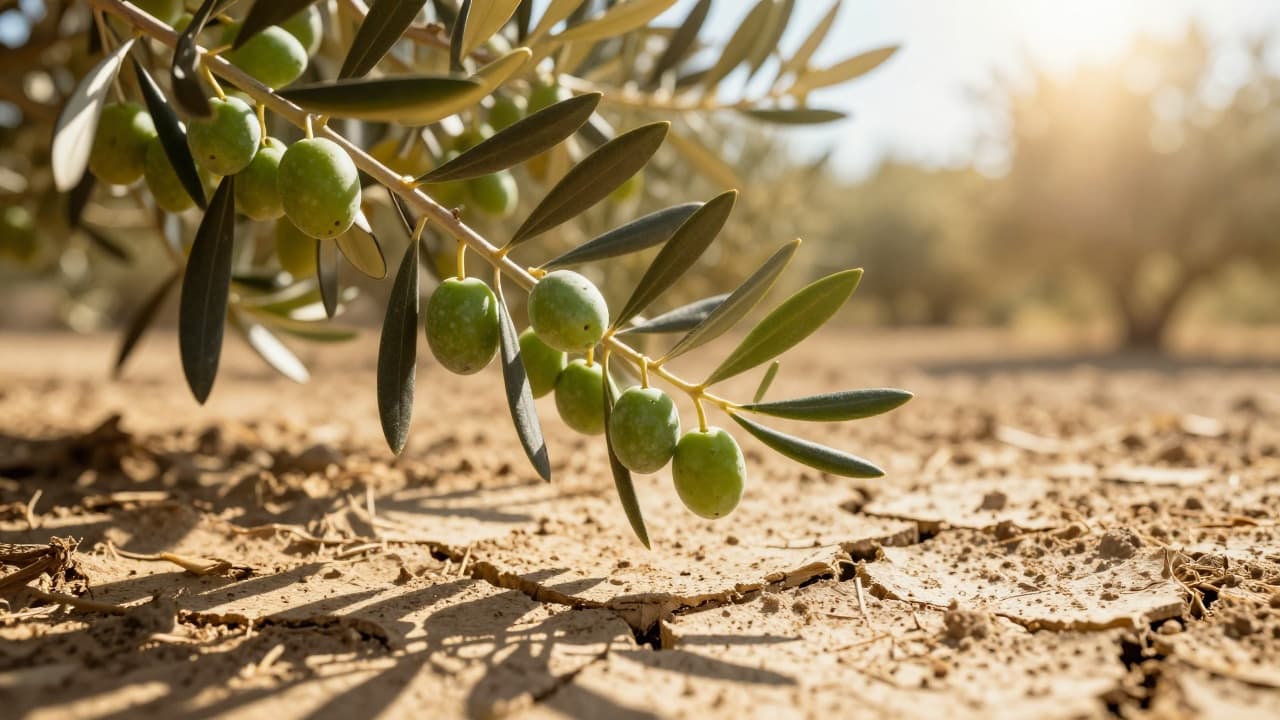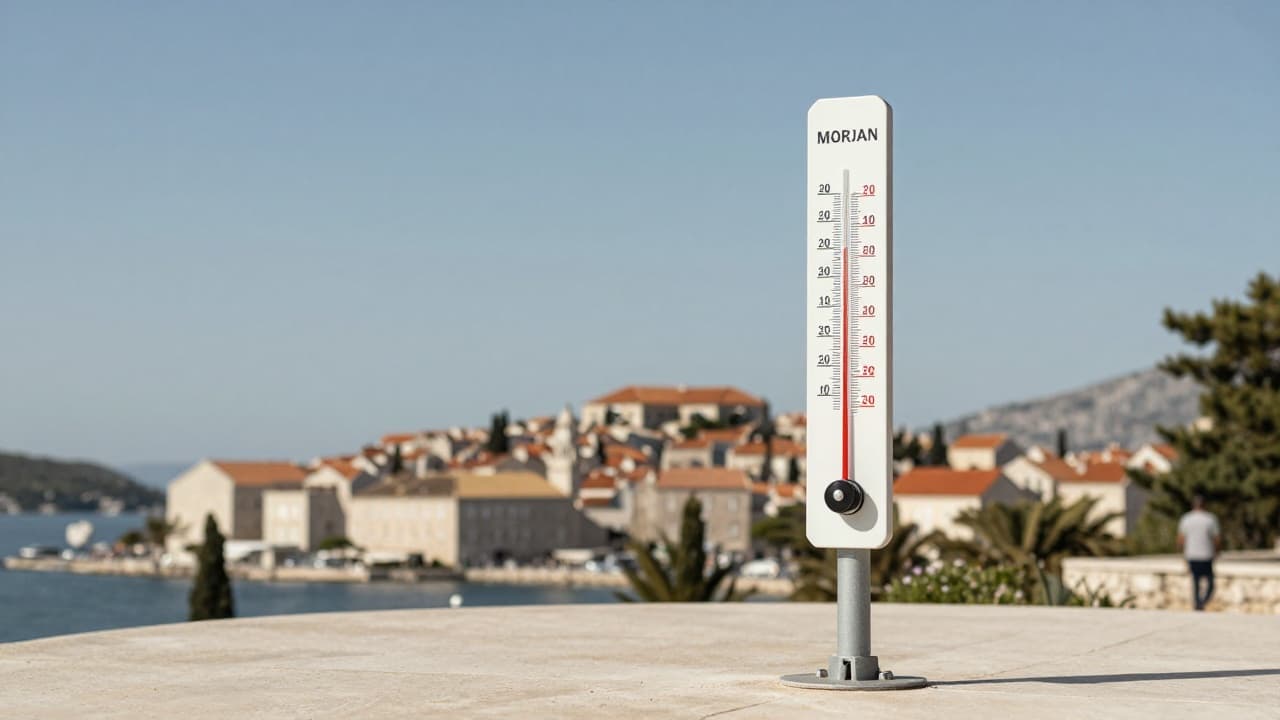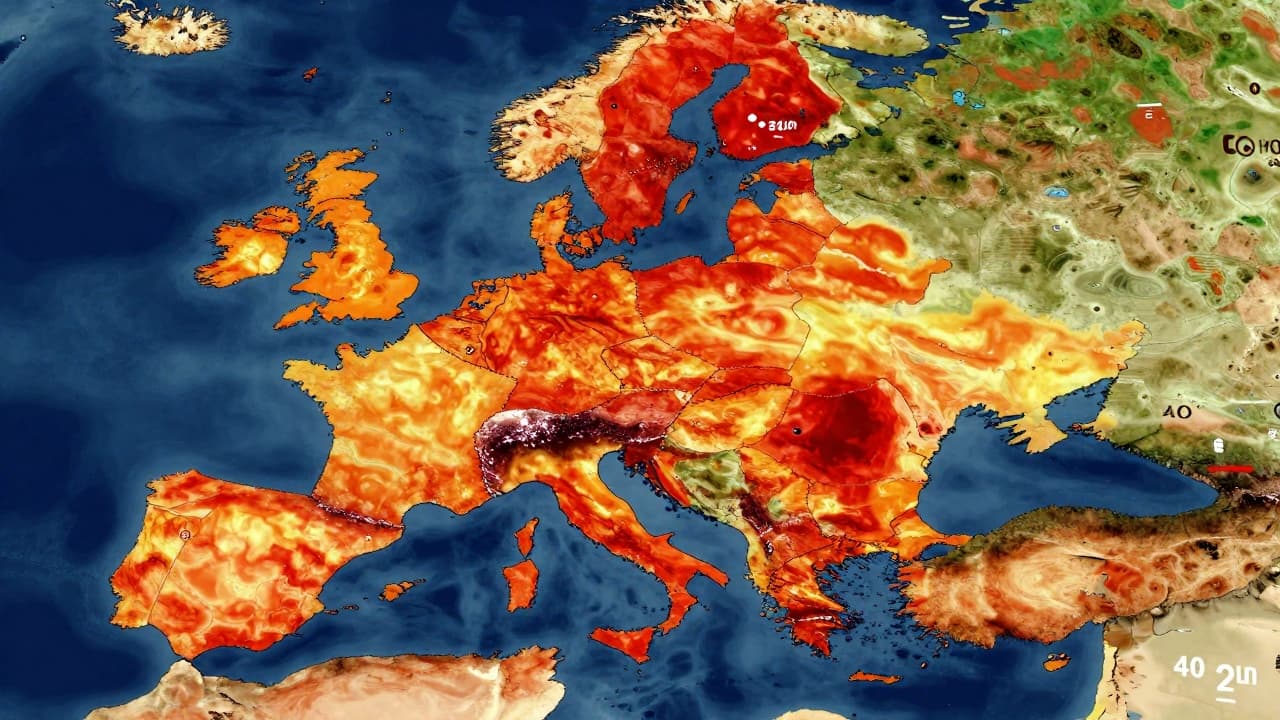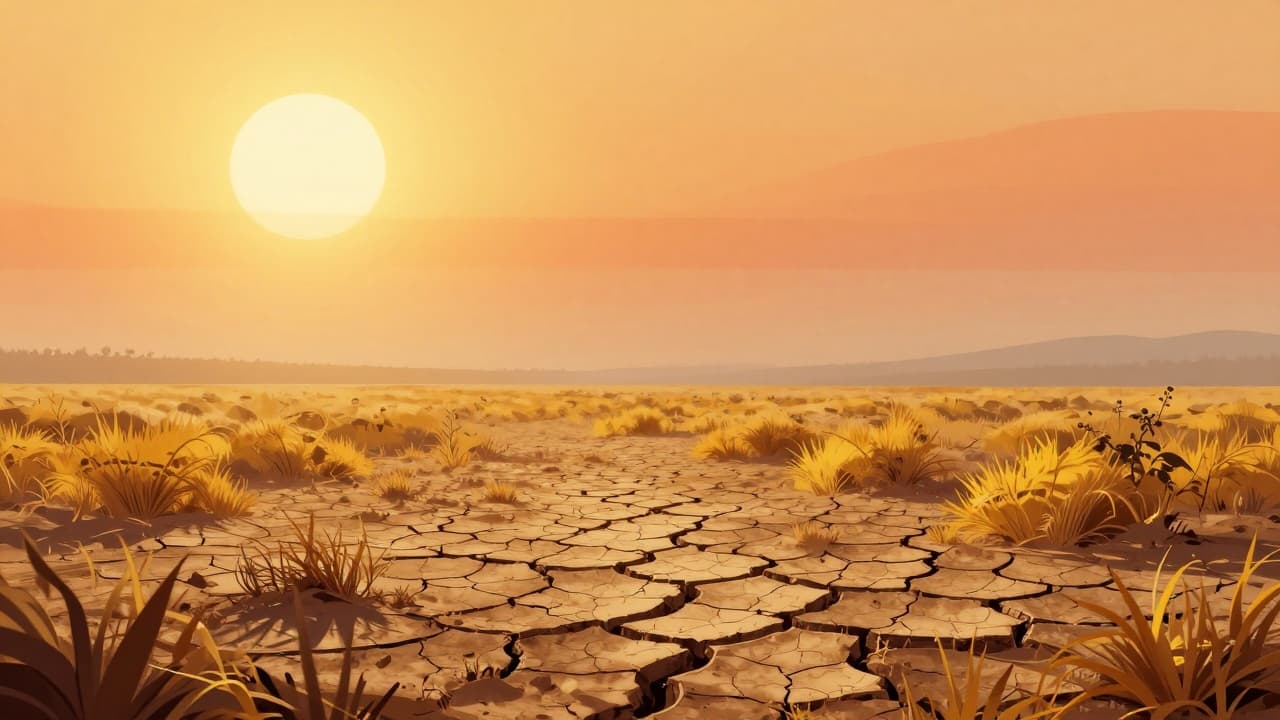
The region, where temperatures are close to 40 degrees Celsius, is witnessing changes in local climate. These extreme conditions are the result of prolonged periods of drought, with experts warning of serious consequences for daily life, work, and the health of the population. Although this is a complex climatic phenomenon, the impact of global changes is becoming increasingly evident in daily life.
The background to these changes lies in variable climatic conditions, influenced by specific geographical factors. The Mediterranean, as a specific region, is characterised by the fact that it is surrounded by a relatively small amount of sea, which creates unique conditions. Despite this, oceanic processes from the Pacific have the least impact on the climate in this part of Europe. Instead, a growing part of the year sees hot air penetrating the area, drastically altering local weather conditions.
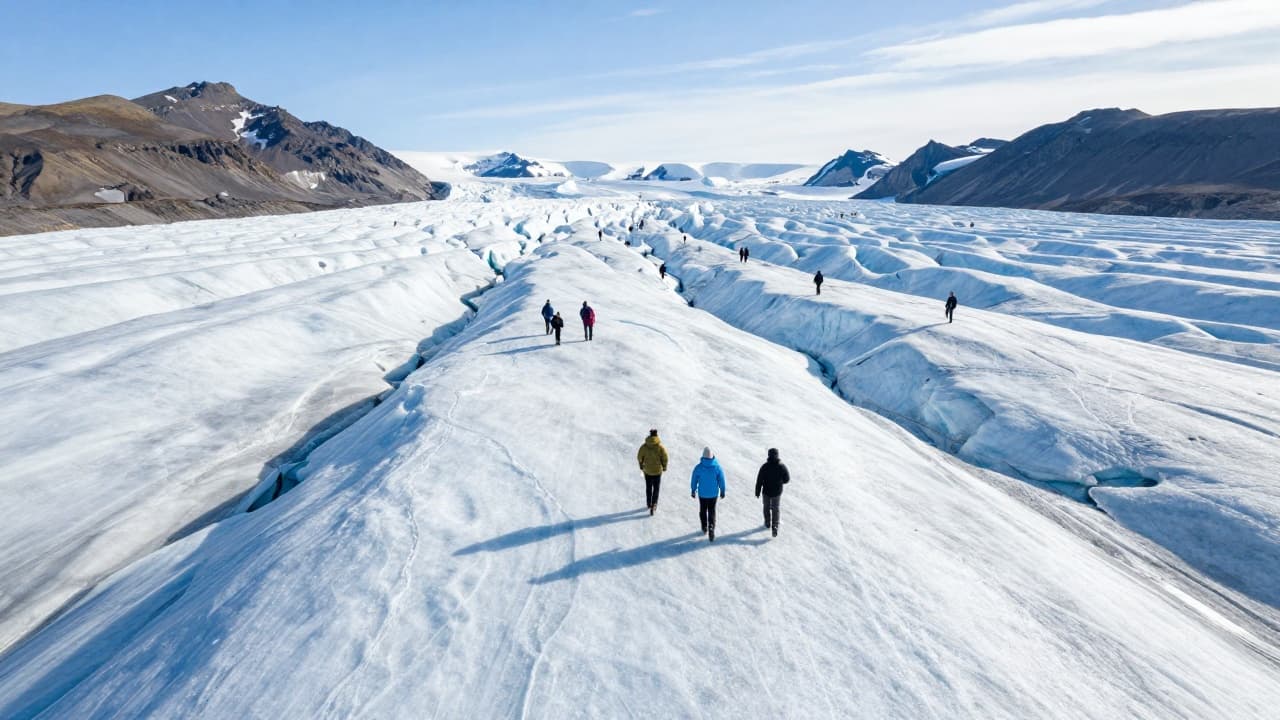
Changes are also visible through the lens of long-term trends. Winters are becoming shorter, with less and less snow in winter, which further highlights the change in typical weather patterns. In lower areas, snow is almost non-existent, while in higher areas, snow is becoming less frequent, indicating permanent changes in the local climate system.
Given the climatic conditions, the impact of El Niño in the region is less than that of hot air coming from Africa. This means that local factors, such as the intrusion of hot air, have a greater impact on local weather conditions than global climate phenomena. Therefore, although it is a complex climatic phenomenon, the impact of global changes is becoming increasingly evident, requiring adaptation to new conditions.