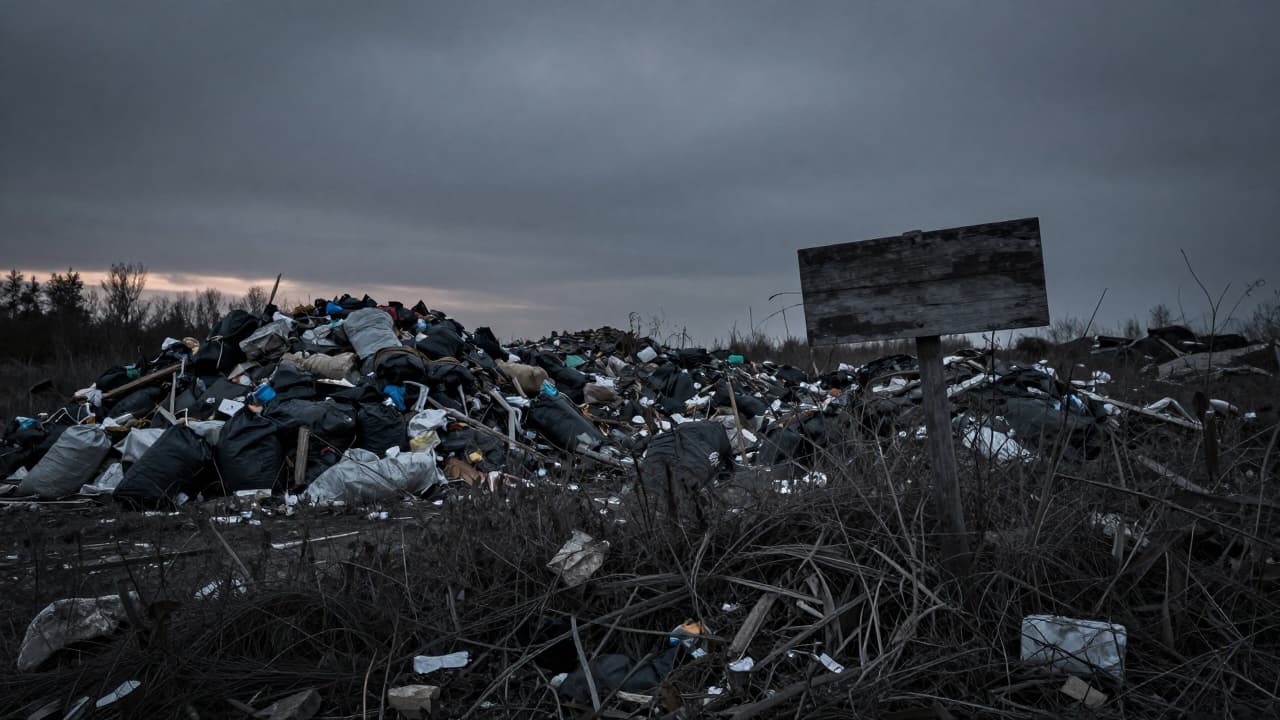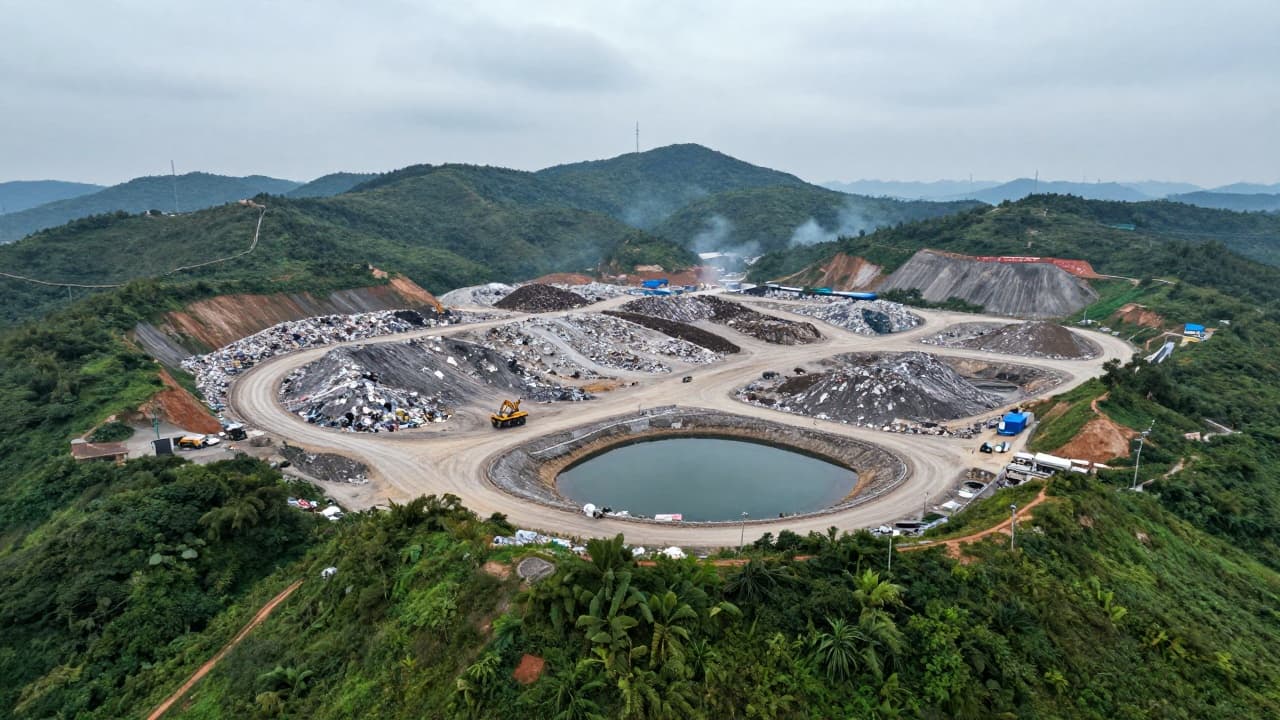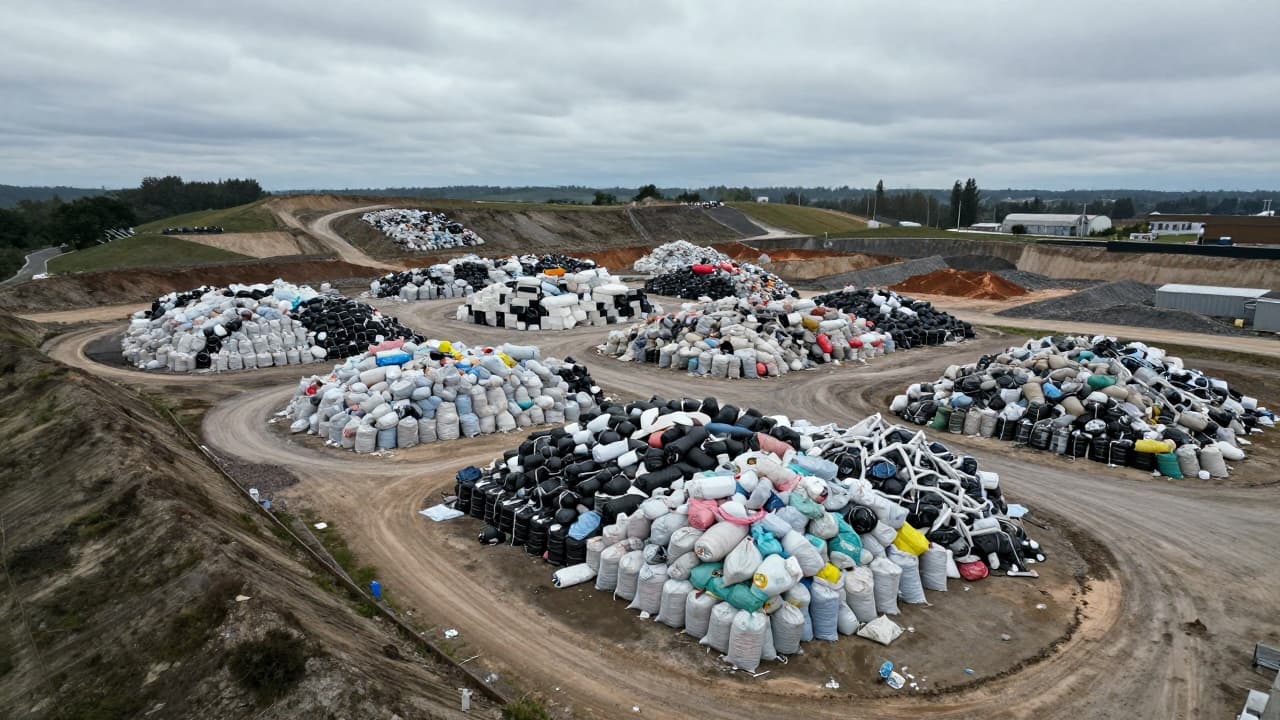
The City of Vienna is beginning preparations for a new, modern waste processing plant, aiming to ensure the continuity of municipal waste management despite a growing population. According to plans, the new facility will be built on the site of the existing Rautenweg landfill, which is located in Vienna's Donaustadt district. This site was chosen based on demographic trends, as a significant population increase is expected in the surrounding districts, including within Donau, by 2055.
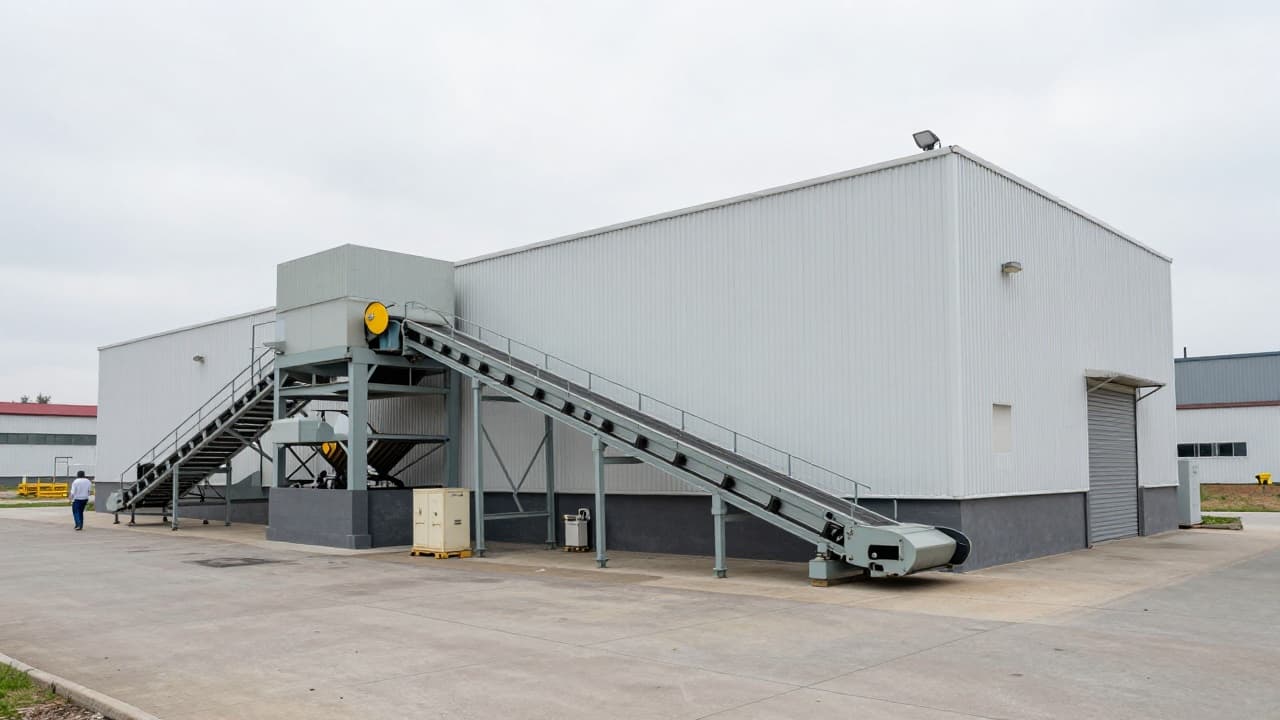
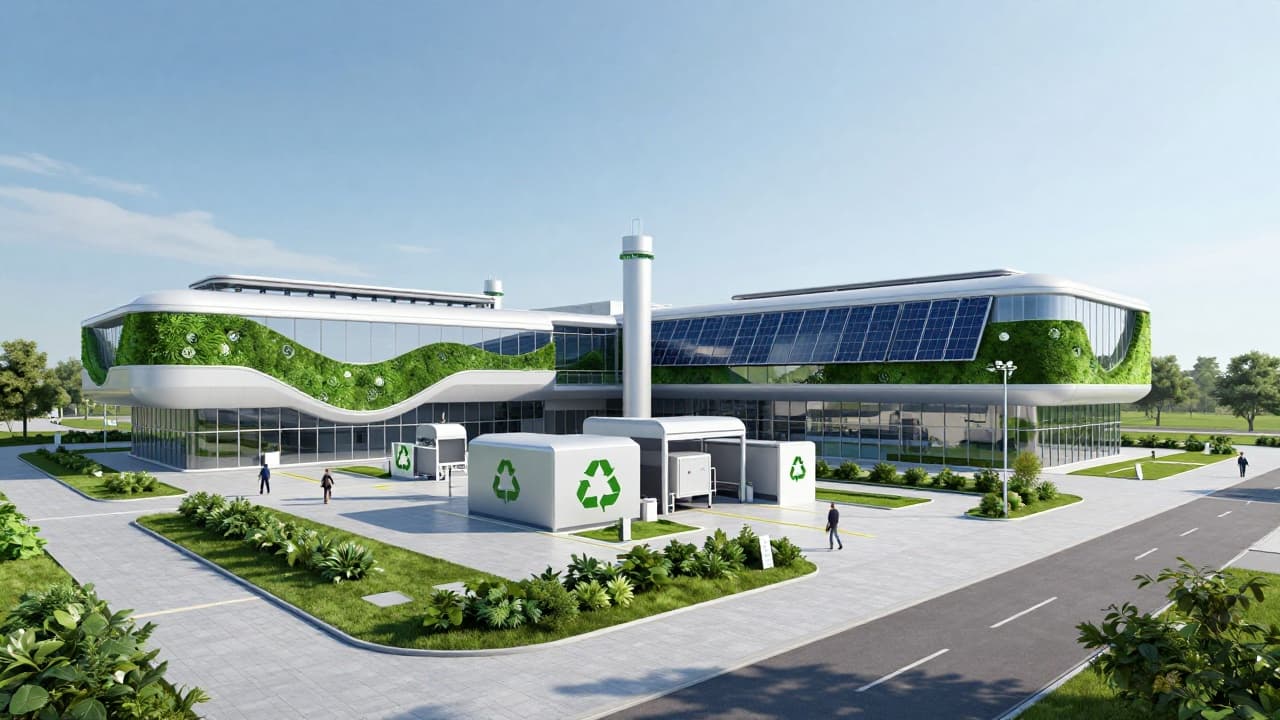
The key element of the new plant is the technological capability to sort mixed and bulky waste. The facility will separate valuable materials, such as metals and plastics, which can be recycled. The remaining waste, which is not suitable for recycling, will be subject to energy processing. This process enables the utilisation of energy contained in the waste, contributing to a reduction in dependence on fossil fuels and supporting the European goal of achieving high recycling rates for municipal waste by 2035.
The project is designed with a focus on environmental sustainability. It includes the installation of photovoltaic systems, which will contribute to the self-sufficiency of the facility, along with green roofs and facades that will improve the ecological balance and air quality in the surrounding area. In addition, the introduction of electric vehicles equipped with the necessary charging infrastructure is planned, further reducing the carbon footprint of the plant.
The financial aspect of the project is already partially secured, with 13.7 million euros allocated for the planning and research phases. Although the initial investment is significant, the project's long-term viability is supported by potential revenue from recycled materials and energy savings. Construction is expected to begin no earlier than 2030, with the plant planned to be operational by 2034.
In addition to ensuring the continuity of waste management, this project has strategic importance. Given that Vienna is planning significant expansion, and therefore an increase in waste generation, the new facilities are essential for maintaining the stability of municipal infrastructure. At the same time, the project contributes to the achievement of European sustainability goals, promoting a circular economy through the more efficient use of resources and a reduction in waste sent to landfills.