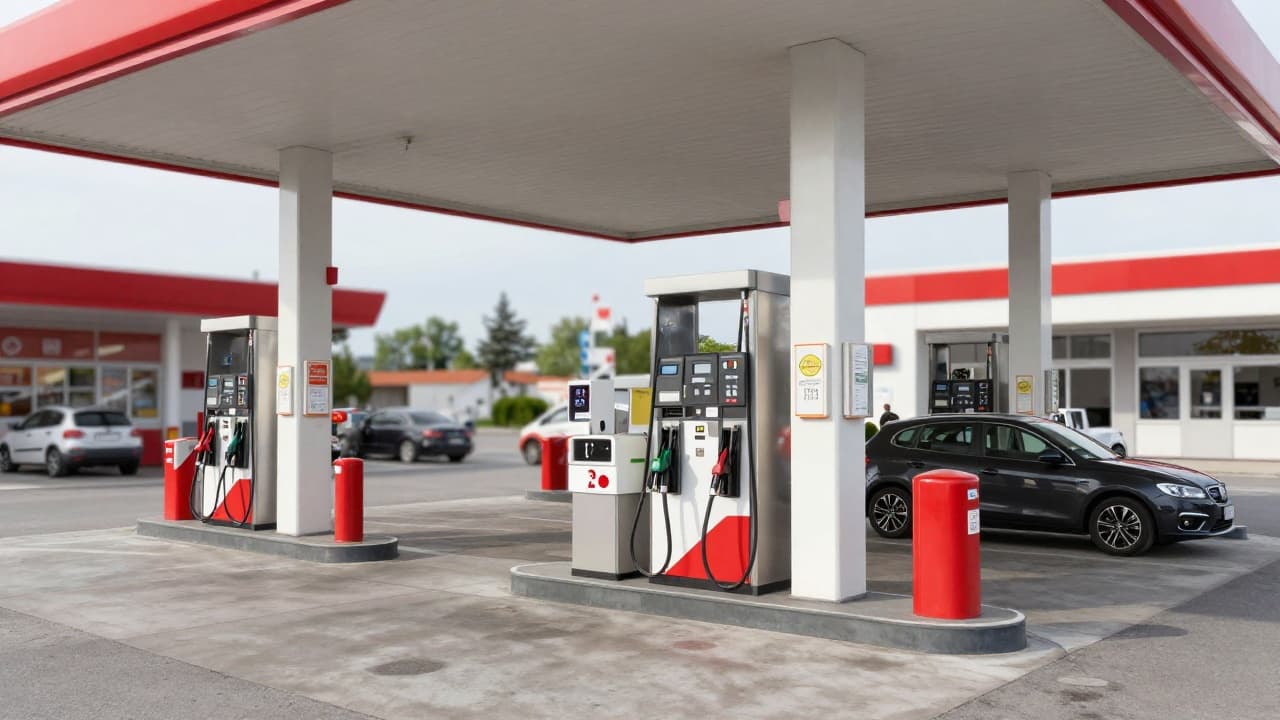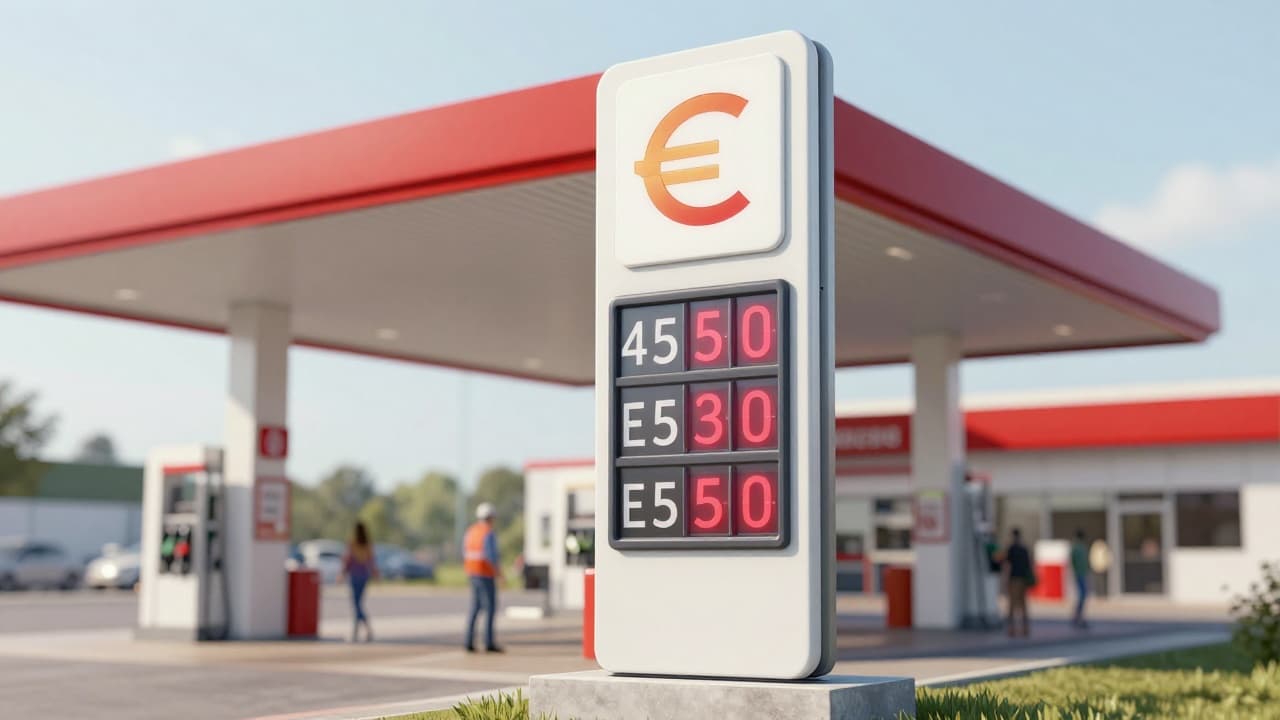
The government has adopted a decree revising fuel prices, with the new regulations taking effect on 15 September. This measure sees the prices of petrol, diesel and blue diesel rise by six cents per litre compared to the previous period. Although the change is small, it is important to note that premiums, which form part of the final price, have remained unchanged compared to the previous seven-day period. The government has decided to maintain the level of premiums at the same level, with the aim of mitigating the impact of changes in raw material prices on the final price for consumers.
As part of the new measures, the price of LPG (liquefied petroleum gas) for tanks increases by five cents, standing at 1.30 euros per kilogram. For bottles, the price is set at 1.95 euros per kilogram. These changes are part of a broader set of measures the government is implementing to stabilise the energy market. Without these government measures, prices would be significantly higher. For example, the price of petrol would be 1.93 euros per litre, while the price of diesel would be 2.16 euros. The price of blue diesel would be 1.49 euros per litre. The price of LPG for tanks would be 1.49 euros per kilogram, and for bottles 2.19 euros per kilogram.
These changes in fuel prices have a significant impact on the cost of living for citizens. Given that premiums have remained unchanged, citizens will feel the increase in costs primarily through the rise in fuel prices. The government, however, has taken steps to mitigate this impact by keeping the level of premiums at the previous level. This measure aims to mitigate the negative consequences of price increases on the budgets of citizens.
In the context of the broader economic framework, these changes in fuel prices can have significant consequences. Given that premiums have remained unchanged, citizens will feel the increase in costs primarily through the rise in fuel prices. The government, however, has taken steps to mitigate this impact by keeping the level of premiums at the previous level. This measure aims to mitigate the negative consequences of price increases on the budgets of citizens.
Ultimately, this change in fuel prices represents an important step in stabilising the energy market. Although citizens will feel the increase in costs, the government has taken steps to mitigate the negative consequences. This measure aims to ensure stability and predictability in costs for citizens, thereby seeking to reduce the negative impact on their budgets.