Metrinvest chief executive Yuriy Ryzhenkov told the BBC that recently introduced tariffs on steel imports into the European Union are "unfair" and were established "without any regard for the situation in which Ukraine finds itself". Ryzhenkov said he wants to see "at least an exemption" for Ukraine regarding access to the EU market.
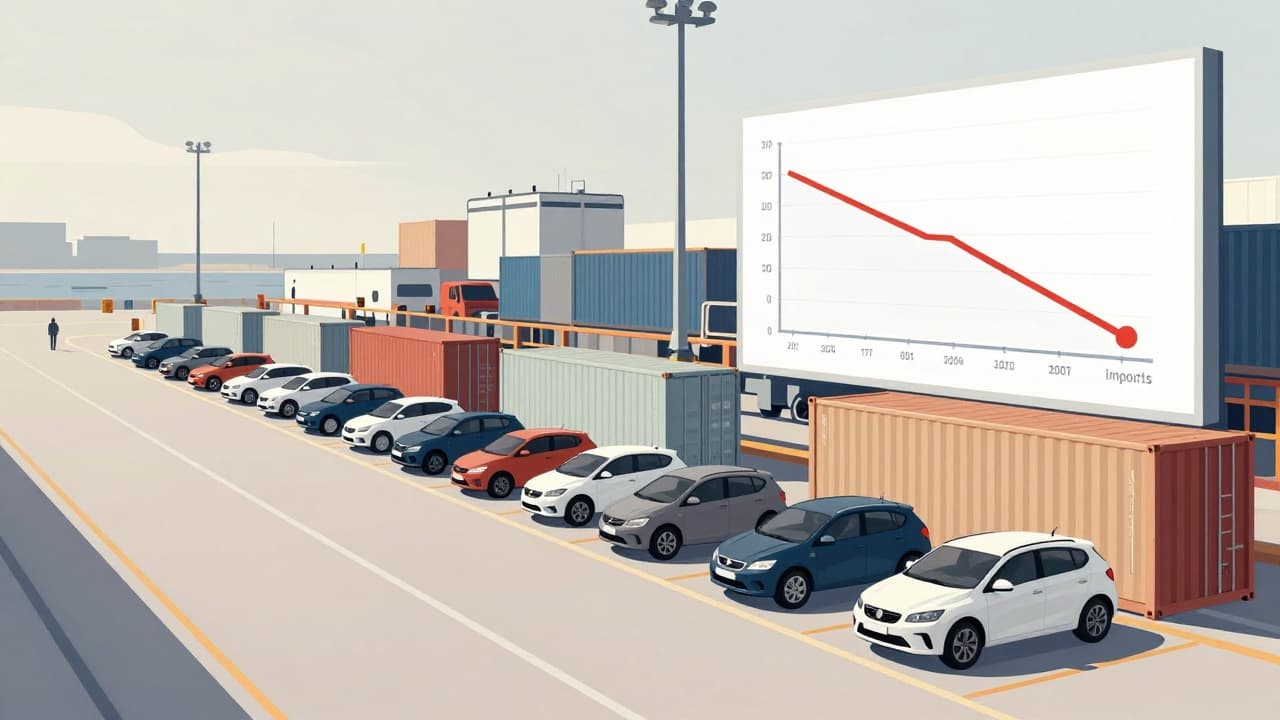
The European Union recently introduced restrictions on steel imports to protect steel producers from its member states. The volume of steel that can enter the EU without tariffs is limited to 18.3 million tonnes annually, representing a reduction of 47 per cent compared to 2024 levels. The policy also includes some quotas specific to individual countries, with the general aim of reducing the amount of steel that can be imported, as member states struggle with cheap imports from countries such as China and Turkey.
A European Commission spokesperson said the EU had "taken into account the difficult situation" in Ukraine when deciding on its steel policy. They highlighted that the Ukraine-specific steel quota had guaranteed exports of the metal, but acknowledged that this quota was at a "level lower than in previous years". The spokesperson added that "despite the war efforts, Ukraine remains an important steel exporter to the EU" and that the EU had "offered compensation" to its largest suppliers, which includes Ukraine.
Ryzhenkov emphasised that the free trade agreement between the EU and Ukraine does not prevent the EU from introducing separate trade protection measures. "Ukraine is included in these measures without any regard for the situation in which Ukraine finds itself", he said, pointing to the war with Russia. He also stated that "access to the European market is key to survival" and that the restrictive measures introduced by the authorities in the European Union are not helping. He considers it unfair that Ukraine is treated the same as all other importers into the EU.
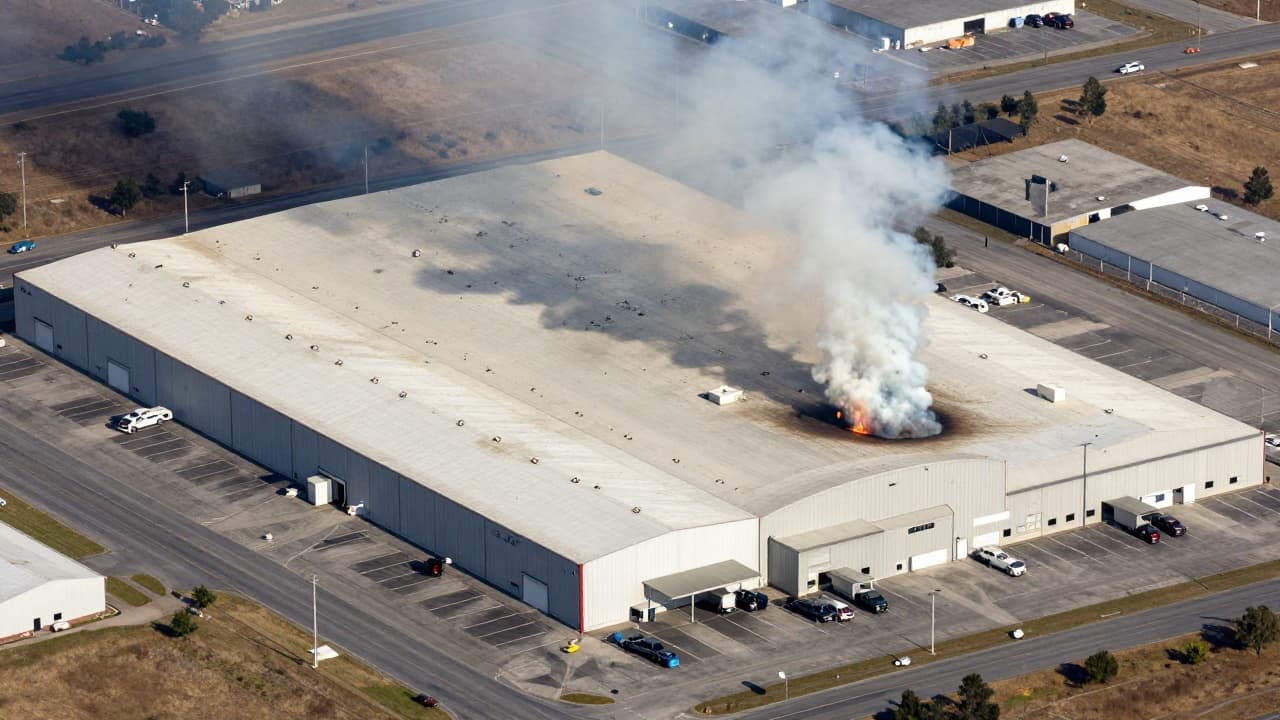
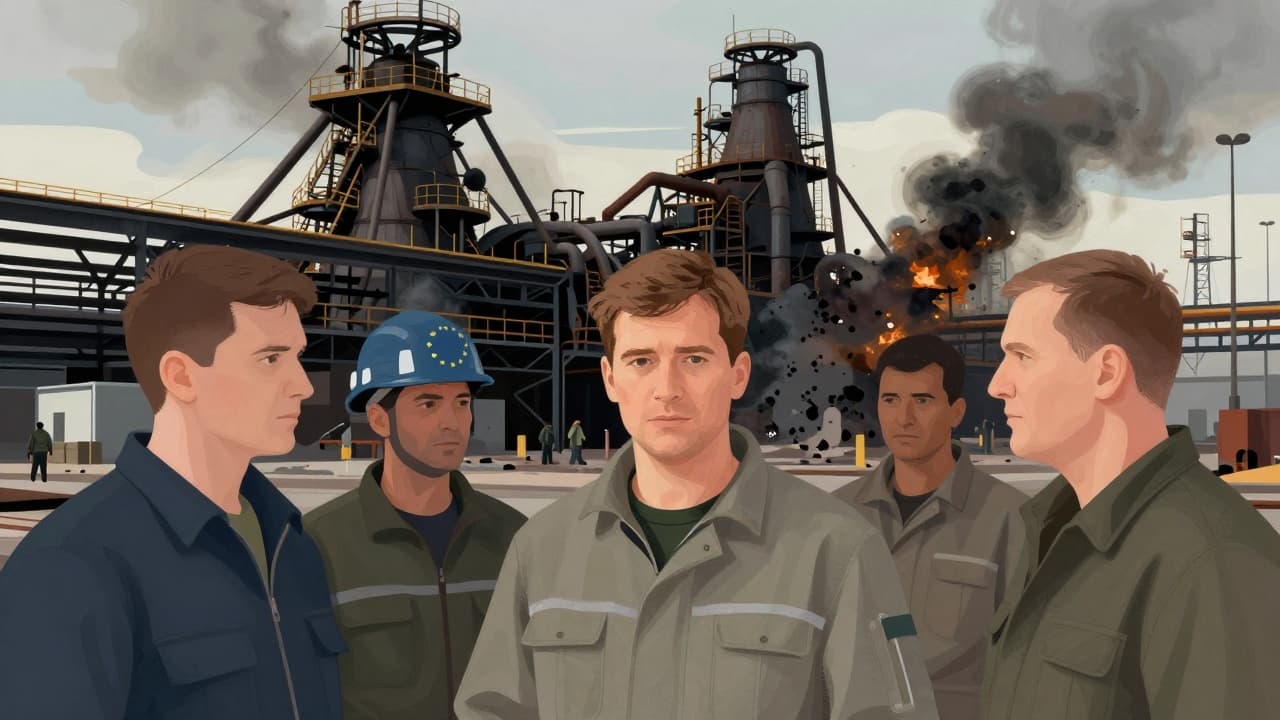
The Ukrainian steel industry estimates that steel exports to the EU could ultimately fall by around 50 to 60 per cent. Before the start of the full-scale Russian invasion in 2022, metallurgy and mining accounted for approximately 10 per cent of Ukraine's national income and a third of the country's exports, with the EU being Ukraine's largest buyer. All steel plants in Ukraine have been bombed at some point since the start of the conflict in 2022, and Ryzhenkov said strikes have been "significantly intensified recently".
Ryzhenkov stated that at one point in September, "not a single tonne of steel" was produced in Ukraine for the first time in about 150 years. Almost 800 workers at Metinvest have been killed since the start of the war, and the company, he said, has "improved covered areas" in its steel plants where workers can take shelter during air raids. He expects the coming winter to be "one of the hardest in our history", a situation made more difficult by the fact that, as he noted, they have no logistics for access to any market other than the EU.