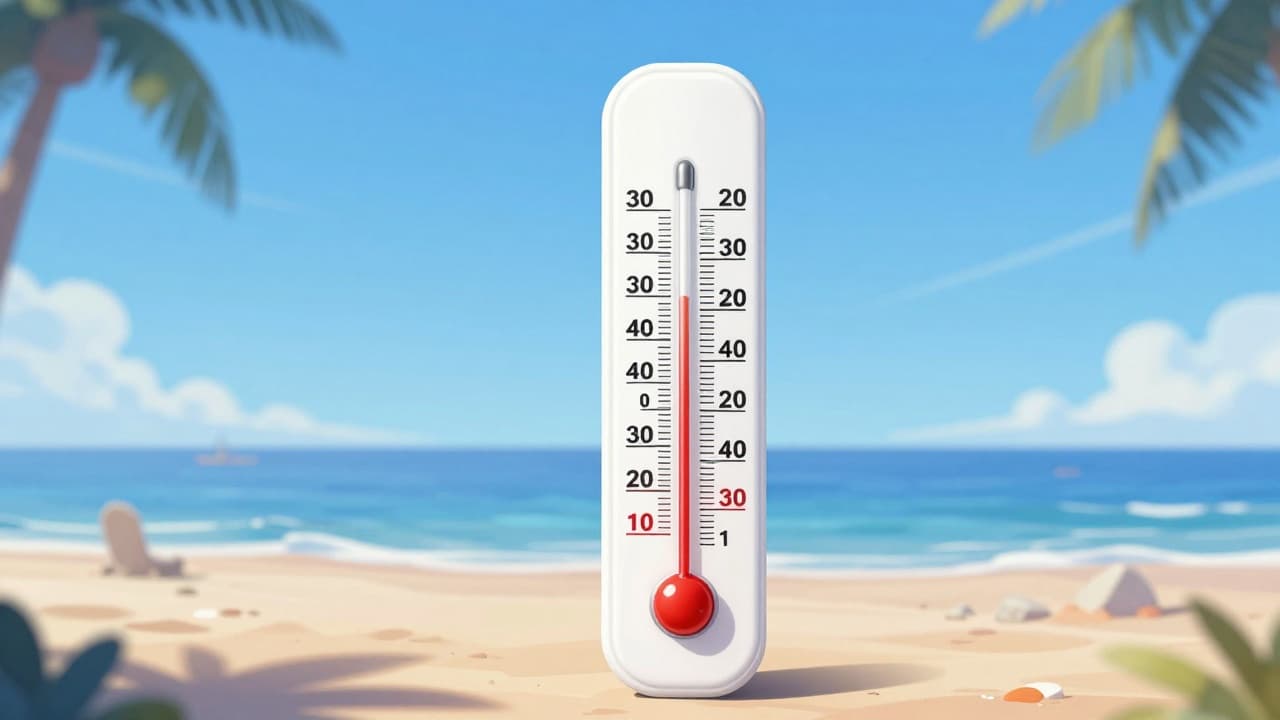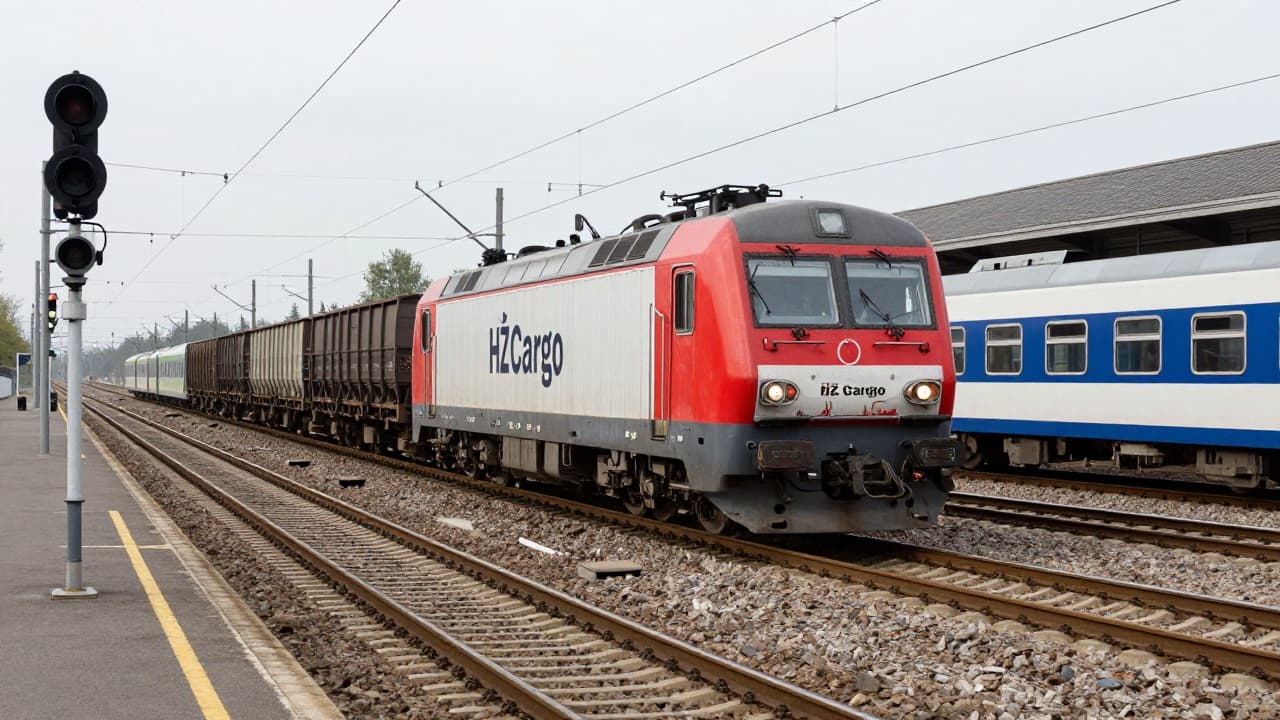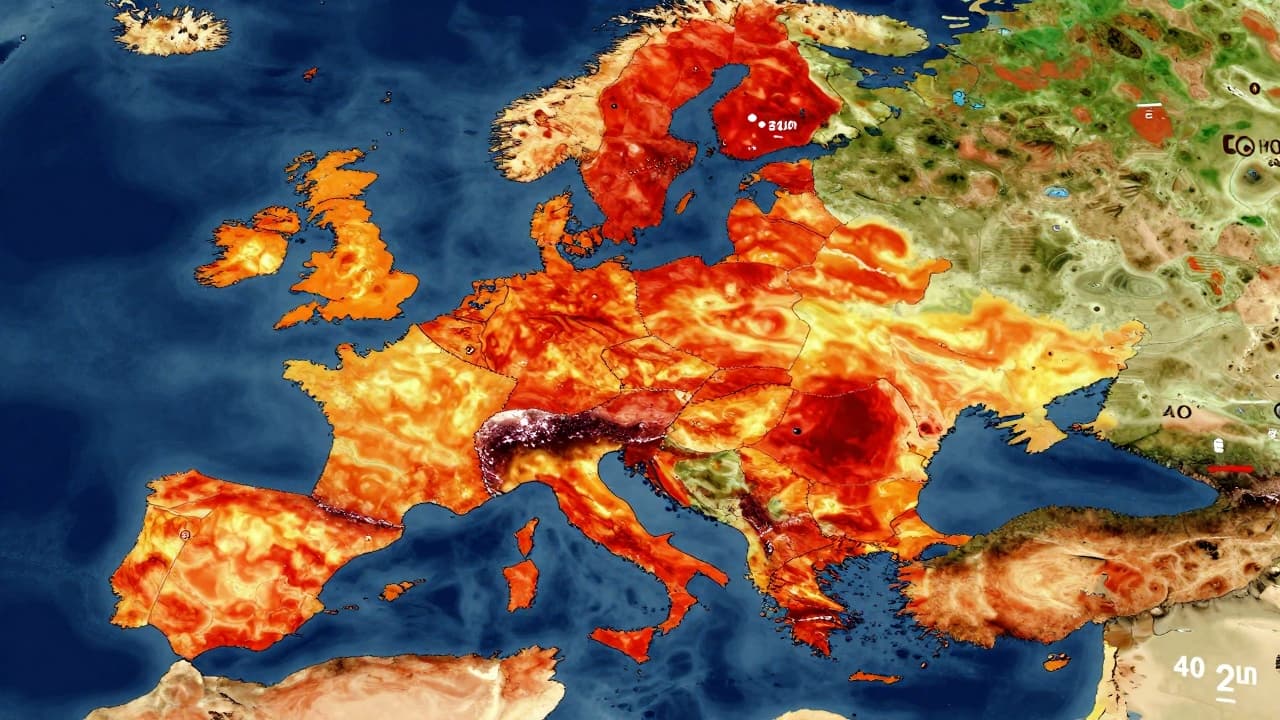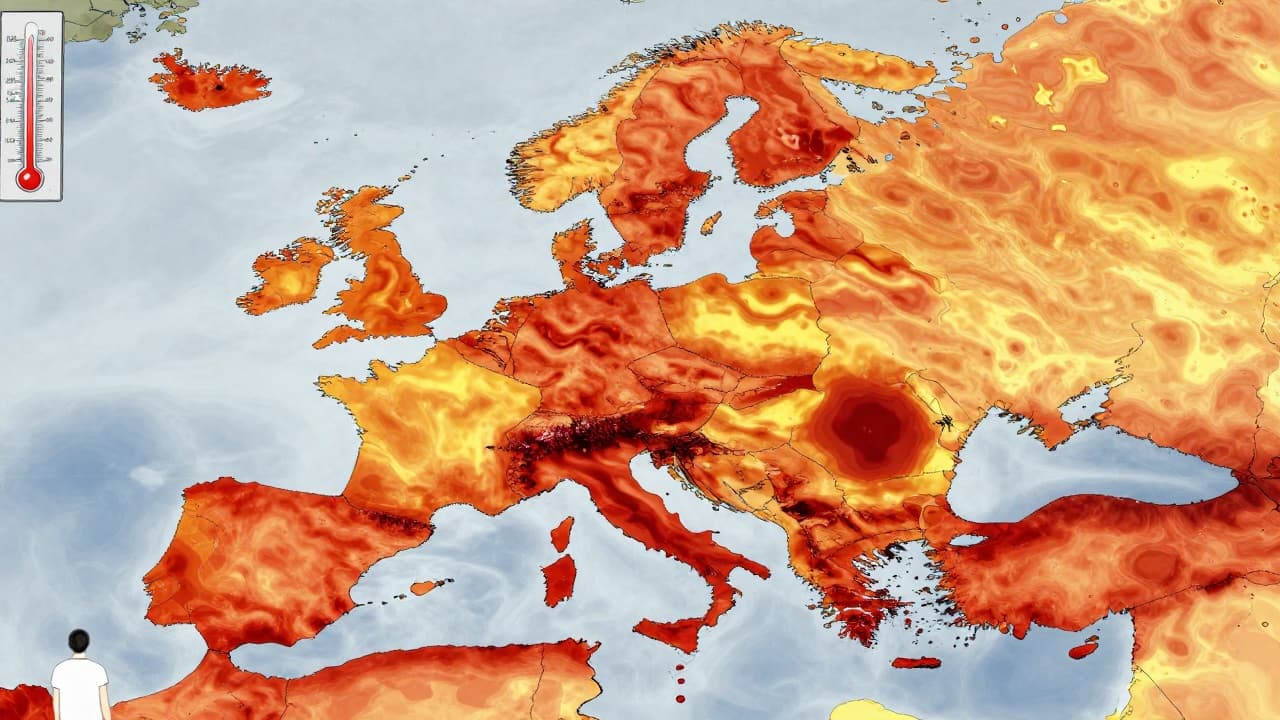
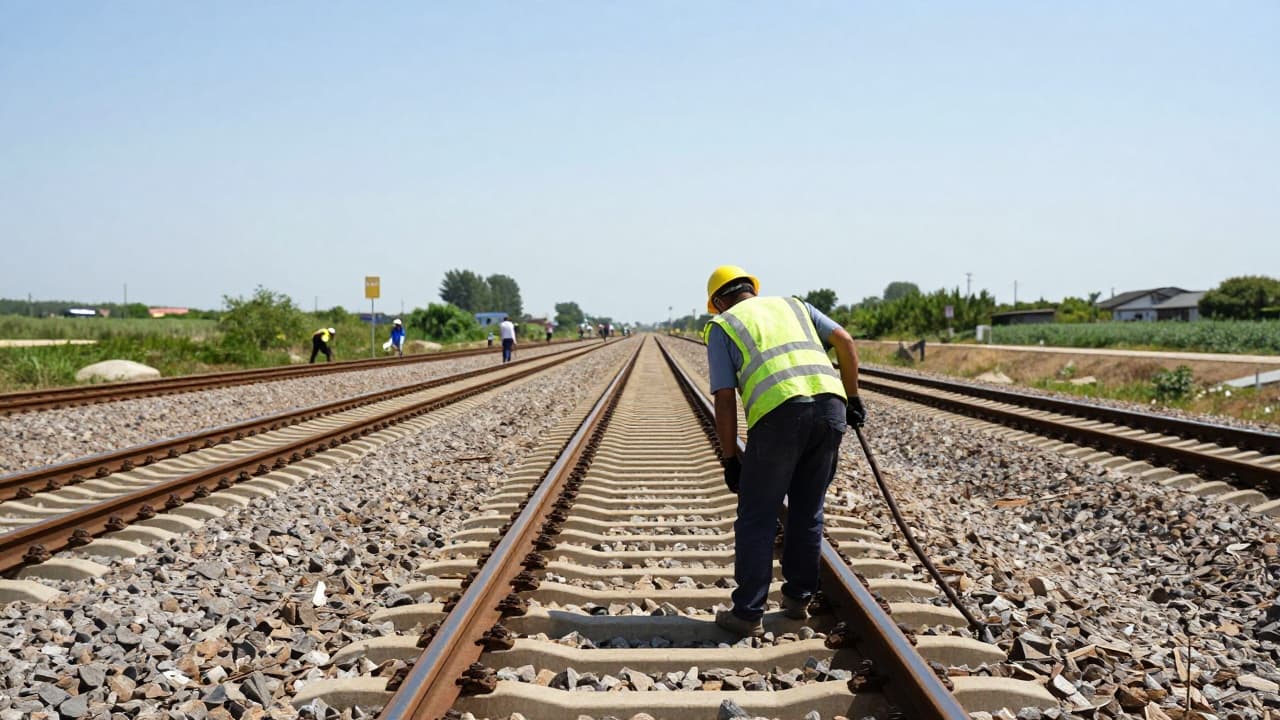
High temperatures, which peaked during the recent heatwave, significantly impact the organisation of works on railway infrastructure. HŽ Infrastructure has stated that all activities related to the construction of new and the renewal of existing tracks during summer heat are strictly adapted to current weather conditions. This measure is primarily aimed at protecting the health and safety of workers, as well as preserving the high quality of executed construction works.
To prevent potential rail deformation, enhanced monitoring of track conditions is being carried out. The aim of this intensified monitoring is to maintain the safety of railway traffic under extreme heat conditions. Physically demanding tasks in the field are carried out only during parts of the day when air temperatures are lower, thereby minimising the risk of worker overheating and reducing stress on materials.
For specific interventions, such as rail installation, particular attention is paid to the temperature of the rails themselves during the welding and assembly process. Installation is carried out in strict accordance with internal regulations and technical specifications. This is because rails are made of steel, which expands thermally when heated, and modern rails are mostly continuously welded.
Thermal expansion creates significant internal stresses in the track structure. In combination with other adverse factors, these stresses can lead to track deformation, which poses a serious safety risk. Therefore, precise temperature monitoring is crucial for timely response.
If any irregularities on the track are detected during monitoring, appropriate safety measures are immediately implemented. These measures most often include temporary speed restrictions for trains or complete closure of the track until the situation stabilises. This approach ensures that traffic proceeds safely despite challenging weather conditions.