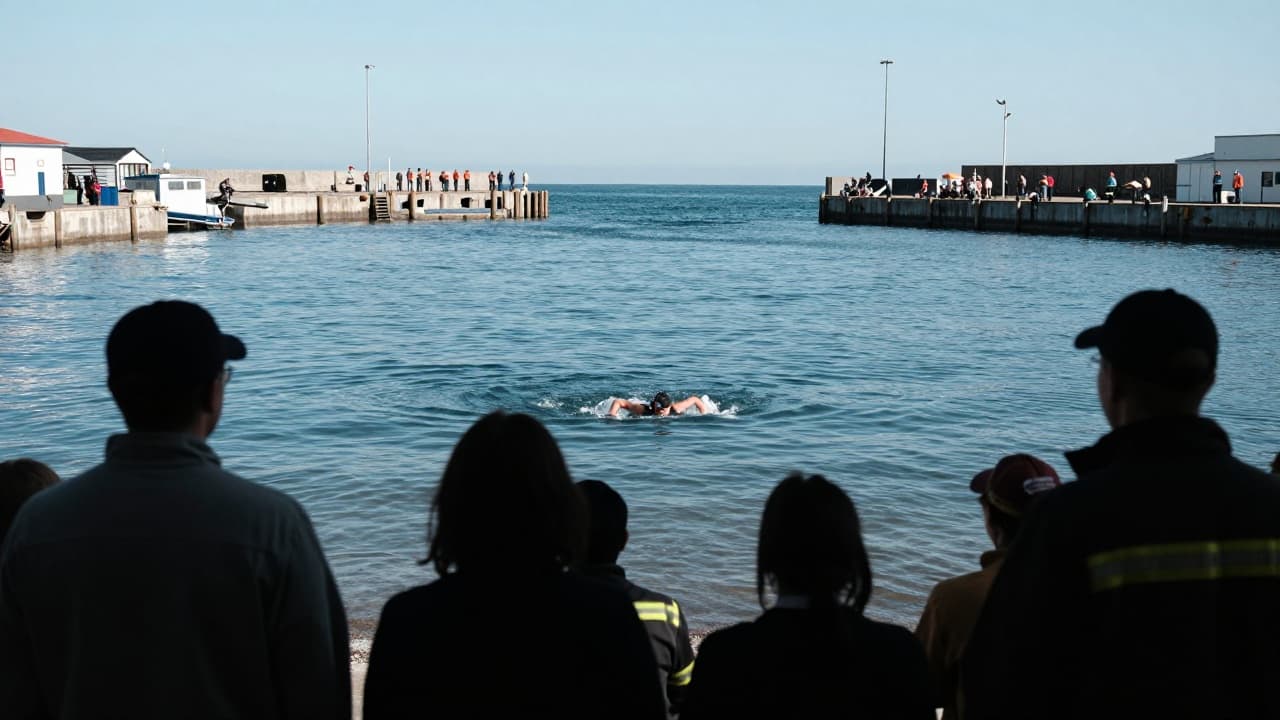
During the summer months, doctors often recommend sea swimming to those suffering from lower back pain, sciatica, or other spinal issues. This advice is frequently viewed as a universal solution, yet experts warn that the situation is not so simple and requires a more precise approach.
Vinko Tranfić, a senior physiotherapist with 35 years of experience, addresses the common belief that simply being in water, floating, or swimming persistently in any style automatically brings relief to the spine. While swimming is beneficial for completely healthy individuals, for patients who already have diagnosed lower back pain or lumbago, it does not automatically have a positive effect.
The human spine has a specific shape resembling two 'S' letters, meaning that different movements in water can have opposite effects. While some swimming styles and specific movements can help alleviate symptoms, others may significantly worsen existing problems. Therefore, not all swimming is equally beneficial for all groups of patients.
The key factor in achieving a therapeutic effect and avoiding adverse consequences is correct technique. Tranfić stresses that swimming must be targeted, meaning it must be adapted to the individual’s specific needs and the condition of their spine. Without such an approach, instead of recovery, additional strain may be placed on the already weakened parts of the back.