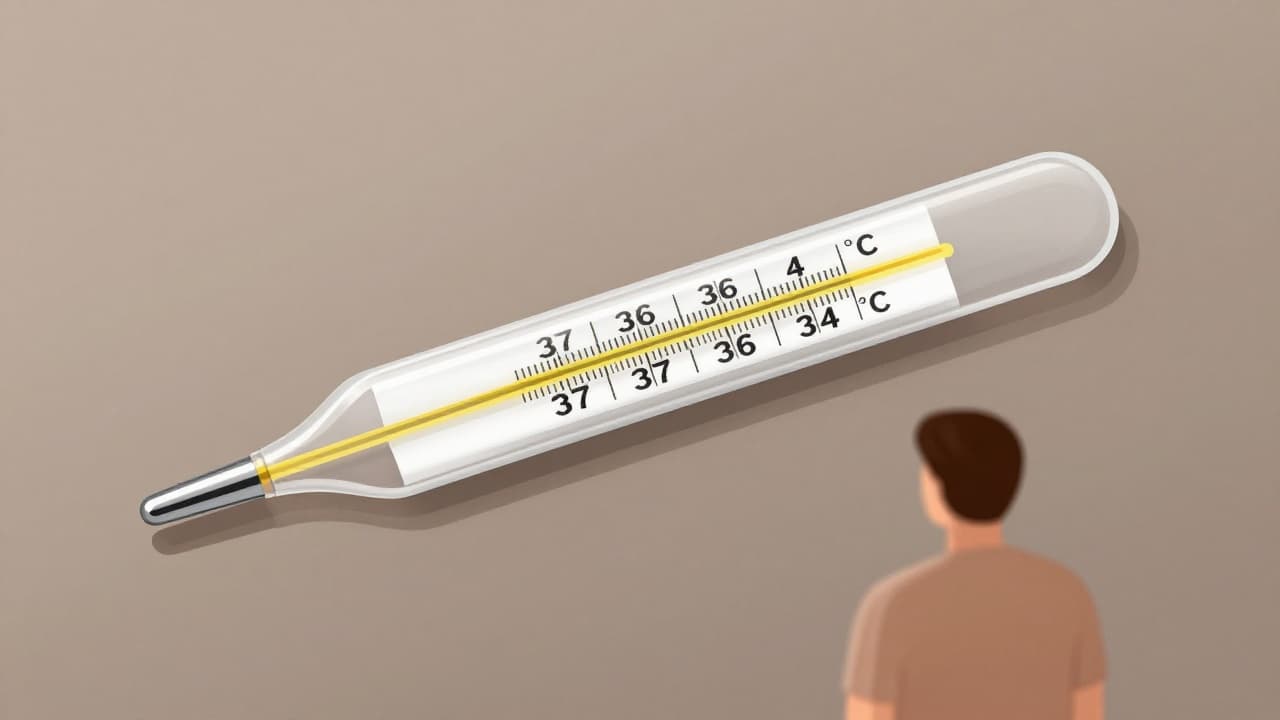
The average human body temperature today is lower than it was 150 years ago, scientific research shows. Newer data suggests that the average temperature for adults may be closer to 36.4 °C, rather than the established 37 °C.
As early as the 1860s, German physician Carl Wunderlich conducted extensive research, collecting over one million body temperature measurements from 25,000 patients. He concluded that the average temperature of a healthy adult is 37 °C, which became the widely accepted medical standard.
A team of scientists from Stanford University analysed data from nearly 190,000 Americans, collected between 1862 and 2017. They found that the average temperature of American men is now about 0.59 °C lower than at the beginning of the 19th century. Julie Parsonnet, a physician and researcher at Stanford, says the new normal value for adults appears to be closer to 36.39 °C.
One possible explanation for the lower body temperature is the improved health status of the population. In the 19th century, people much more frequently suffered from tuberculosis, dysentery, rheumatic fever and other infections. Their immune systems had to constantly expend energy fighting disease, which increased heat production. Parsonnet explains that when the immune system tries to defend against everything that can kill you, it burns calories, and calories are another name for heat.
Improved living conditions, including vaccination, hygiene, and heating and air conditioning of spaces, may also have contributed to the drop in temperature. Parsonnet says we spend most of our lives in near-ideal temperature conditions, where our bodies do not have to exert effort to maintain temperature.
A similar trend has been recorded among the Tsimane people in the Amazon rainforest. The average body temperature of the Tsimane people fell from approximately 37 °C in the early 2000s to 36.5 °C in 2018.
Some scientists believe the problem may lie in how temperature was measured 150 years ago. Philip Mackowiak from the University of Maryland examined one of Wunderlich’s thermometers and noted that it indicated a temperature approximately two degrees higher than modern devices. Wunderlich measured temperature under the armpit, whereas it is often measured in the mouth today, making comparison of results difficult.
Researchers at Stanford argue that errors in old thermometers cannot fully explain the change. By analysing data from different periods, they found that people born earlier did indeed have a higher average body temperature.
Experts warn that normal body temperature depends on age, sex, body build and time of day. Older people generally have a lower temperature, women slightly higher than men, and temperature is usually lowest in the early morning and highest in the late afternoon.
Doctors are increasingly warning that the value of 37 °C should not be considered a strict limit for normal temperature. Biological anthropologist Adrian Jaeggi says it is important not to take such limits too seriously, as they do not represent sharp transitions. Extremely low or high temperatures, usually below 35 °C or above 40 °C in adults, may indicate a more serious health problem.