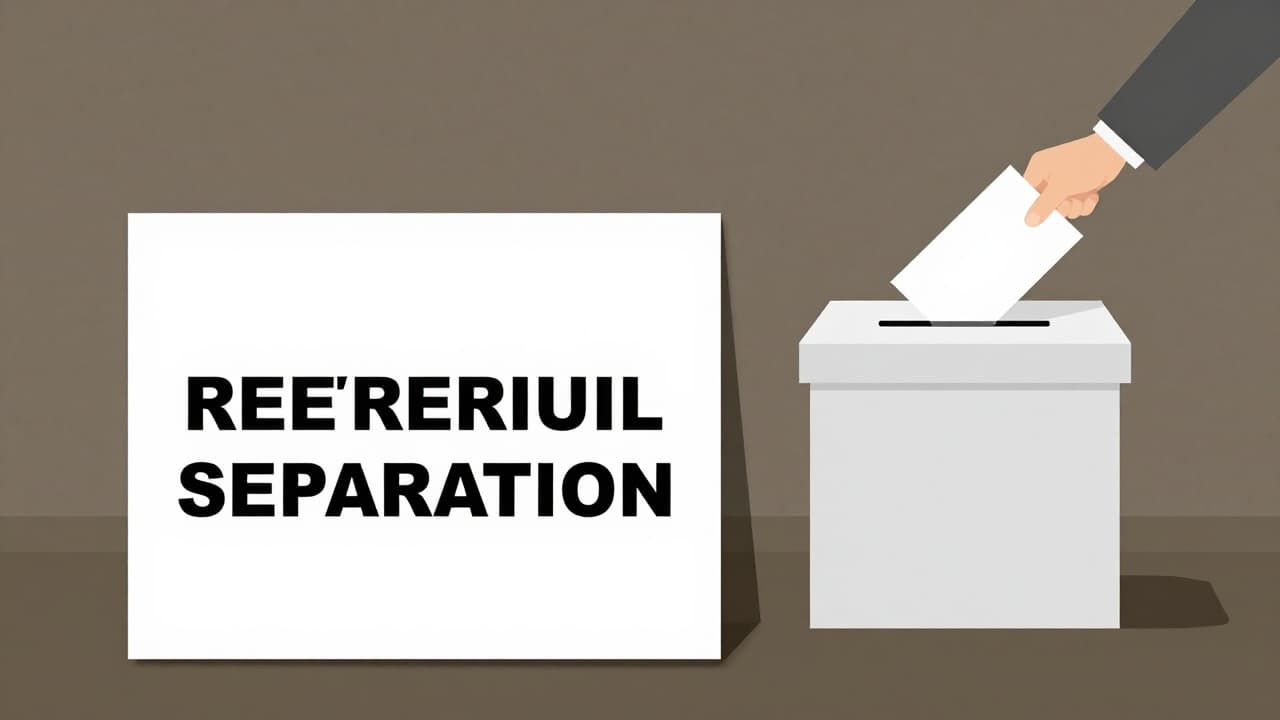
Icelanders have rejected a proposal to begin accession talks with the European Union in a recent referendum. According to data published by the public broadcaster RÚV, 47.2 per cent of voters supported the initiative, while 52.8 per cent of votes went to the option against EU entry. The result has created uncertainty in the current political landscape, though the government is seeking to calm the situation.
The prime minister, whose name was not explicitly stated in the source, stated that the outcome should not be considered a final defeat. He emphasised that it is crucial to understand the concerns of citizens, particularly those in rural areas, who fear the impact of European integration on traditional industries such as fishing and agriculture. This concern reflects a fear of potential negative economic and social consequences for local communities.
This is not the first time Iceland has sought to approach the European Union. Iceland first submitted its application for membership in 2009. The previous government had suspended the negotiations in 2013, leaving the question of future steps in relations with the EU open. The current result has once again placed the need to understand local specificities on the agenda.
Although Iceland has had experience with negotiations, the current outcome shows that a greater understanding and compromise are needed. The government will need to consider how to proceed, taking into account the local needs and concerns of citizens. Although it is possible that the negotiations will continue, it is necessary first to achieve a higher level of trust and agreement within the country.