The City of Đakovo has submitted a request to the Ministry of Finance for a loan of 10.15 million euros. This financial operation, aimed at funding capital projects, has received prior consent from the Government of the Republic of Croatia, thereby providing the framework for the implementation of planned infrastructure investments in this part of Slavonia.
The process of accessing credit funds began on 8 June, when the city council gave its consent to the aforementioned loan. Subsequently, on 10 July, the City of Đakovo submitted an amendment to the request, fulfilling all administrative prerequisites required for the approval and disbursement of funds by the Croatian Bank for Reconstruction and Development (HBOR). This sequential processing ensures legal certainty and transparency in the borrowing process.
The financial terms of the loan stipulate a repayment period of ten years. Repayment is made through equal monthly instalments, without the application of a grace period, which allows for stable planning of future costs. The annual interest rate on the loan is 3.33 per cent, with a one-off processing fee of 0.20 per cent of the total approved amount. These terms define the financial burden the city is assuming in relation to the funds disbursed.
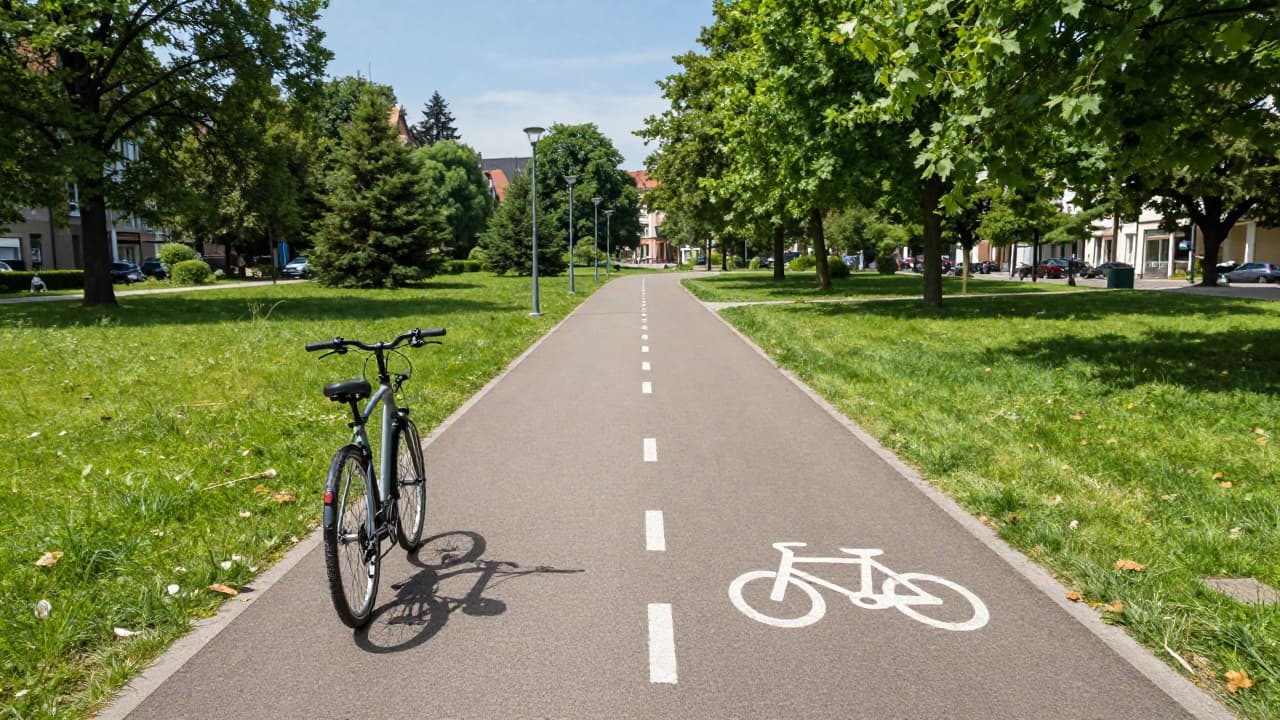
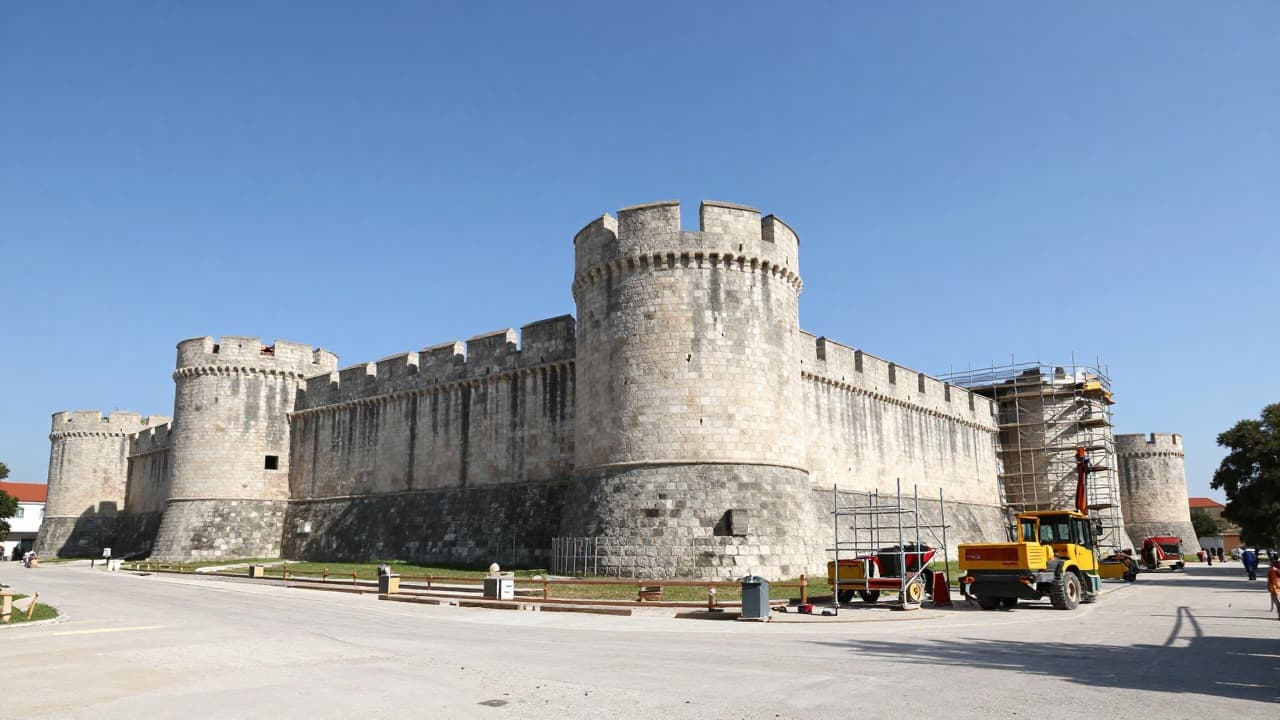
The borrowing is strictly directed towards financing specific capital projects. The majority of the funds are allocated to the construction of roads in the industrial zone, as well as the general construction and reconstruction of road infrastructure. Particular attention is paid to the construction and reconstruction of pedestrian and cycle paths, thereby enhancing safety and accessibility for all road users.
In addition to road infrastructure, the credit is used for the construction, reconstruction, and equipping of other buildings. Particular attention is given to energy efficiency, including the renovation of public lighting, particularly the external lighting of St Peter's Cathedral. These projects are part of a broader strategy of modernising the city's infrastructure, aimed at long-term sustainability.
The City of Đakovo is required to prepare detailed plans for budgetary costs for the years in which it plans to repay the loan. Although investments in the field of improving energy efficiency are not subject to the strict borrowing limits prescribed for other investments, the city must adhere to the general restriction that annual obligations must not exceed 20 per cent of the previous year's income, reduced by the income specified in Article 121 of the Budget Act. This framework ensures fiscal discipline and the sustainability of public finances throughout the duration of the credit obligation.