Until next Monday, 19 October, a proposal for a new Regulation on metrological and technical requirements for speed measuring devices in road traffic is open for public consultation. The proposal suggests reducing the safety margin, or tolerance, in speed measurements.
Under the current regulation, 3 km/h is deducted from measured speeds up to 50 km/h. For measured speeds between 51 and 100 km/h, a tolerance of 10 km/h is applied, while for speeds above 100 km/h, 10 per cent of the measured speed is deducted, rounded up to the higher value.
Under the new regulation, for example, in a settlement with a speed limit of 50 kilometres per hour, only five would be deducted from a recorded speed of 86 km/h, rather than 10 km/h as currently, making the relevant speed 81 km/h. This is 31 km/h over the limit, meaning the fine would be 390 instead of the current 130 euros.
Last year, according to data from the Ministry of the Interior (MUP), of the 320,046 offences for speeding, 200,137 or 62 per cent were detected by fixed speed monitoring devices. In the first eight months of this year, of the total 226,302 speeding offences detected, 145,129 offences or 64 per cent were 'captured' by fixed speed monitoring devices.
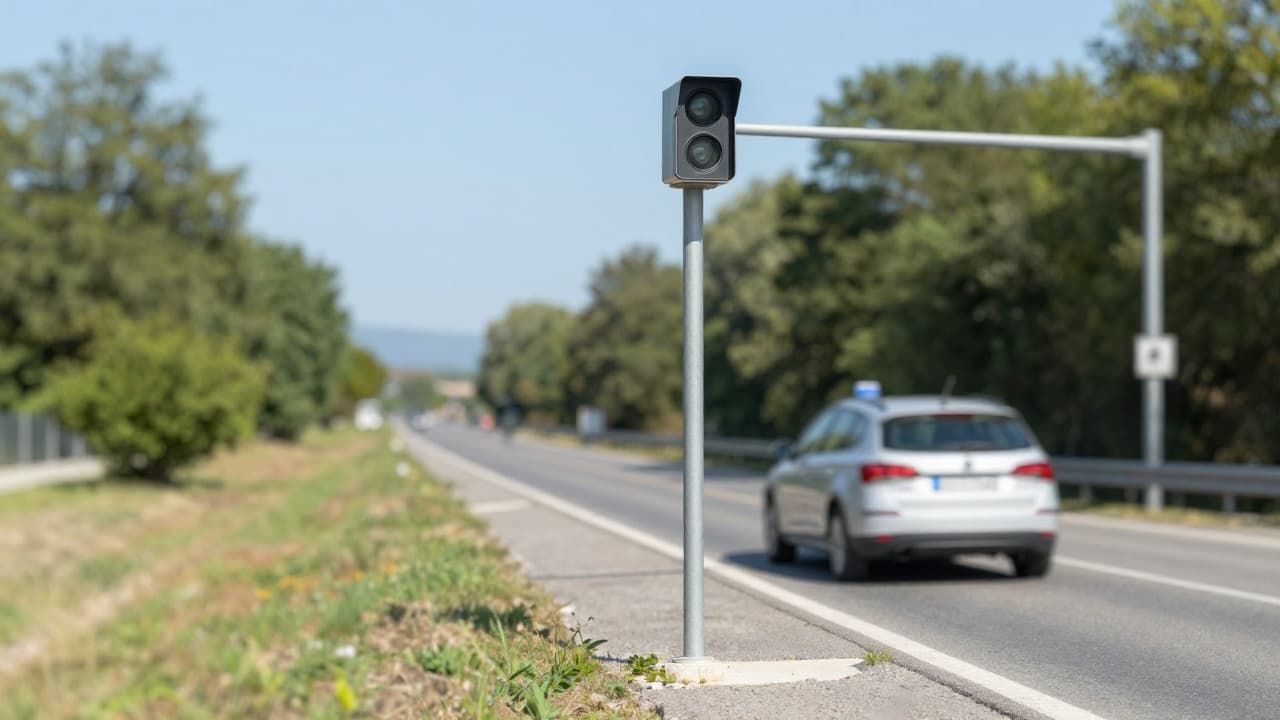
Of last year's 320,046 detected speeding offences, by far the most - 124,611 - were exceedances of 10 to 20 kilometres per hour above the permitted limit in settlements. In Croatia, 206 fixed cameras are currently in use, distributed across 807 locations.
The MUP states that cameras are moved to different locations at various time intervals, in accordance with the assessment of the competent police administration. The highest number of fixed speed camera locations is in the areas of the Split-Dalmatia Police Administration and the Zagreb Police Administration - 86 in each - and 62 in the area of the Međimurje Police Administration. The fewest fixed camera locations are in the areas of the Karlovac Police Administration - 12 - and the Požega-Slavonia Police Administration - 13.
The MUP emphasises that fixed cameras are primarily used to detect speeding offences, but if a recording shows, for example, an offence for using a mobile phone while driving, not using a seatbelt, or other unlawful behaviour, the driver or passenger can be fined for such offences as well. The MUP says it does not keep separate statistics by type of offence, but aggregates all fines based on the Road Traffic Safety Act.
The Annual Report on the Execution of the State Budget shows that last year, 80.77 million euros were collected from fines for traffic and other offences under the MUP's jurisdiction, which is 11.6 million more than in 2024.