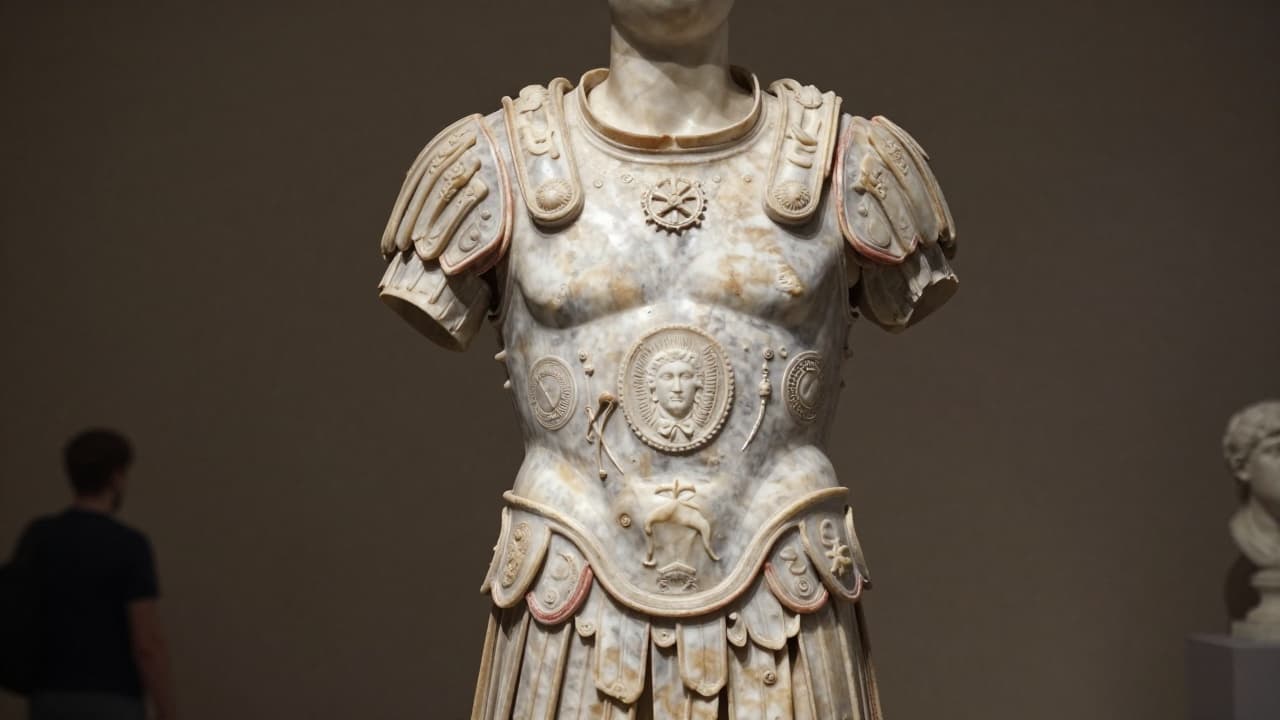
A monumental torso, presumed to be a Roman emperor in armour and originating from Salona, has reappeared on the global art market. It is to be sold at auction by Sotheby's on 21 October in New York, with an estimated value between $8m and $12m. It is one of the most valuable ancient monuments from the territory of Croatia.
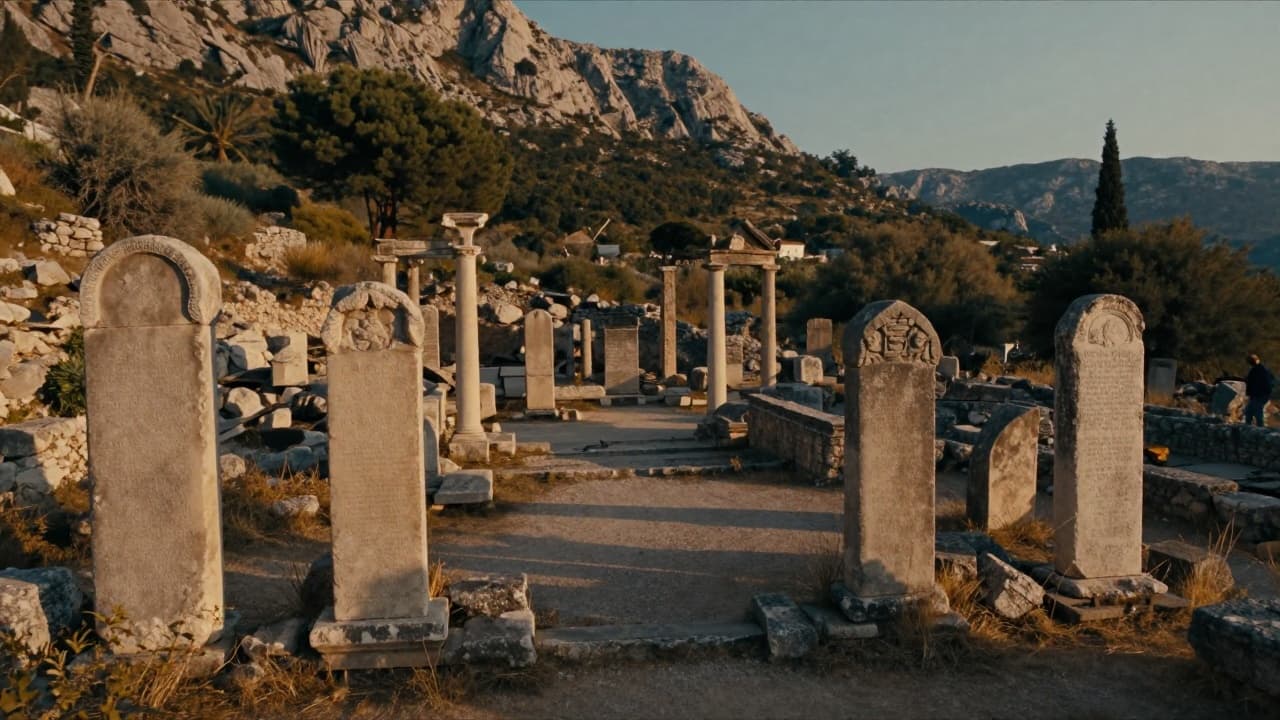
Dražen Maršić of the Department of Archaeology at the University of Zadar, who previously published a scientific paper dedicated to this specific torso, emphasises that the sculpture’s Salona origin is certain, although it remains unknown exactly where in Salona it was discovered. Sotheby’s website suggests it may be a monument from the site of two temples, but Maršić argues that this is a pure construction put forward in some scientific papers and is not supported by arguments. He notes that it is possible the torso was found on the forum in Salona, but there is no evidence for this, nor can anyone rule out that the head is not on the forum.
The torso was purchased in the 19th century by Aloys Maximilian Neumann, an Austrian collector from Graz. Maršić believes the most likely scenario is that the torso was part of the collection bought by Neumann and is increasingly convinced that it can be indirectly inferred that it was sold to him by the founder and then-director of the Split Archaeological Museum, Carlo Lanza, or possibly Lanza’s son. The torso was shipped to Vienna in accordance with the rules of the time; it was not stolen or misappropriated, and is now owned by a wealthy American entrepreneur of Jewish descent who bought it from the previous owner.
Maršić describes the torso as the crème de la crème of Roman armoured statues from the Julio-Claudian dynasty. Although more than 600 such armoured statues have survived and are held in various museums around the world, this torso ranks among the finest examples from the period of the first ruling dynasty. It is exceptionally well crafted, with the front divided into three zones, and the depiction of a trophy defines its victorious dimension.
The Ministry of Culture and Media states that it is aware of the Sotheby’s auction offer. The estimated value of between $8,000,000 and $12,000,000 far exceeds the regular funds allocated by the Ministry for the acquisition of cultural heritage. The torso achieved a price of $7,362,500 at a New York auction in 2010.
Maršić believes there is no theoretical possibility of Croatia obtaining the return of such monuments and that return is not necessary. The sculpture possesses exceptional historical and artistic value, and research points to its Salona origin. The return and placement of the sculpture in the Split Archaeological Museum would represent an incalculable cultural gain. The Ministry states that there is currently no comprehensive list of artworks from the territory of Croatia located abroad, only a list of those illegally exported or stolen and recorded in international databases, and such artworks are not subject to trade in auction houses or on the legal art market.