The Romans arrived in Dalmatia as conquerors, imposing a new political order, way of life and language. Nevertheless, the local population, known as the Delmatae, managed to preserve their identity through onomastics, even though they were illiterate and left no written traces of their own. Their names survived solely because the Romans began recording them on monuments, thereby creating lasting testimonies to the preceding culture.
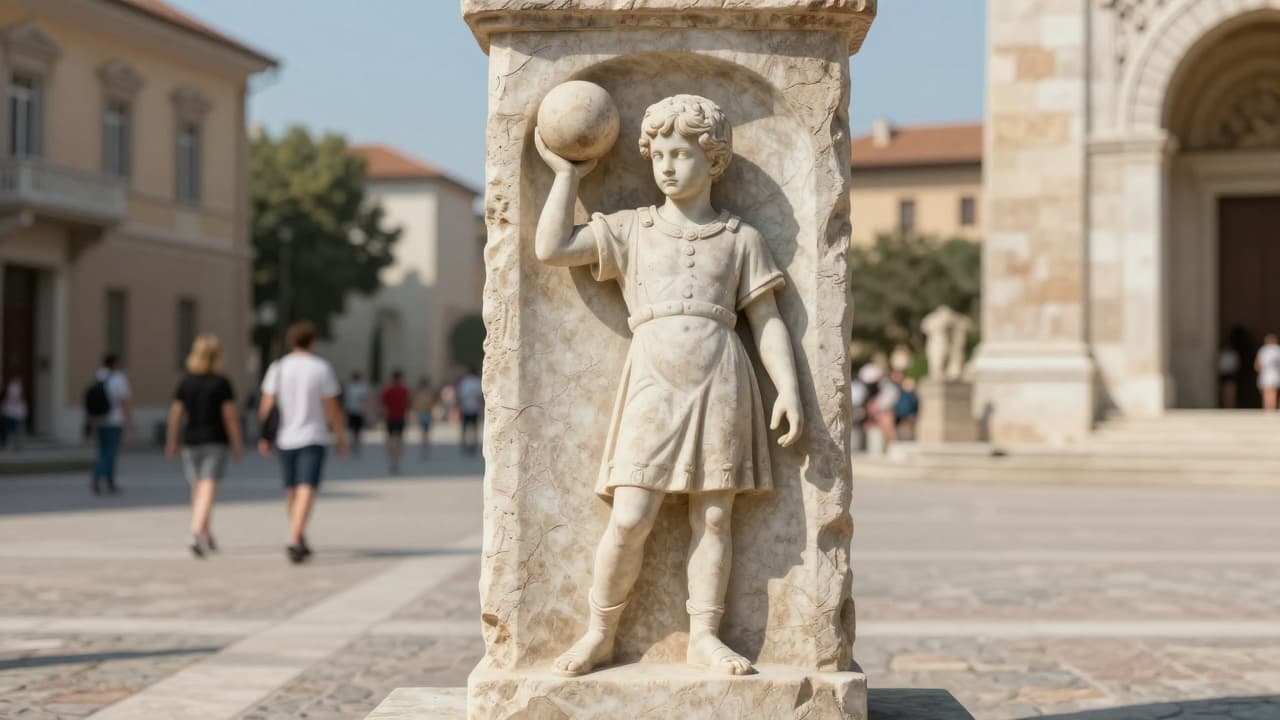
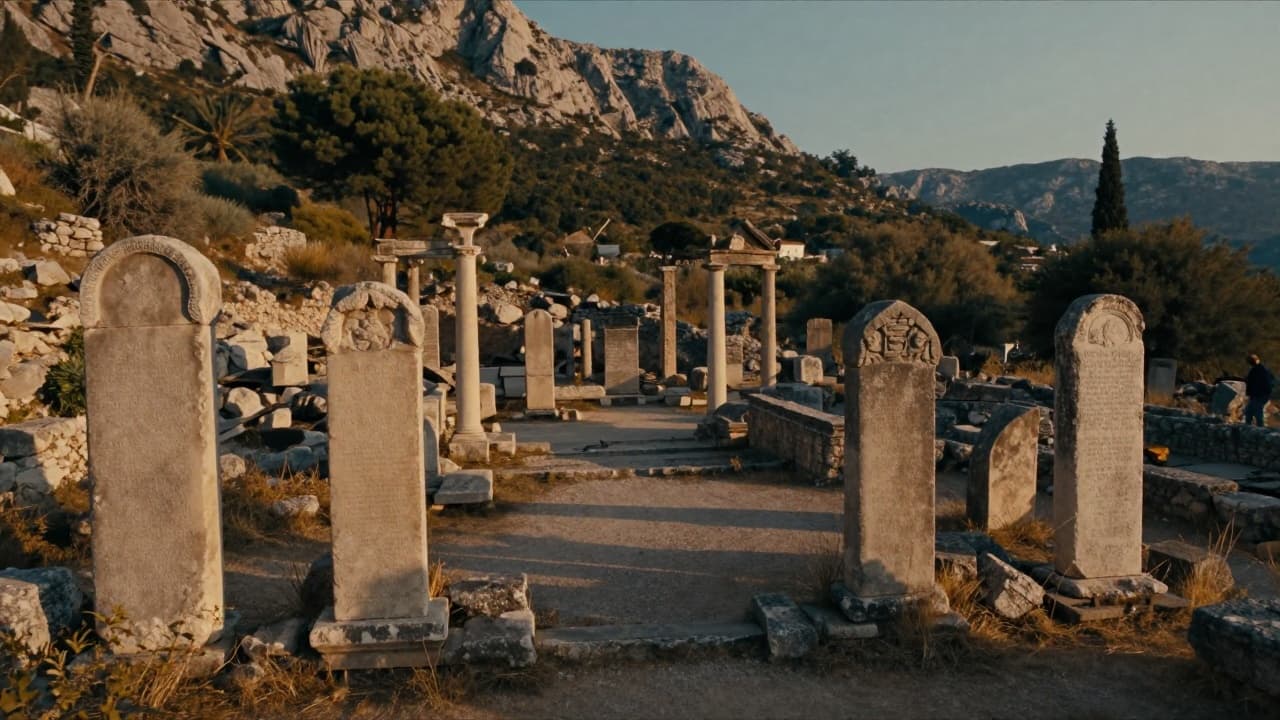
The exhibition presents names such as Baton, Mesor, Seia, Dasia, Pajona and Verza, which were passed down from generation to generation until late antiquity. A key example of such a synthesis is the stele of Seia, a girl who lived in the area of Sinj. On her stone stele, there is a highly stylised female figure, a rosette with a flower, and an object that could represent a necklace. Two fibulae with pendants are particularly highlighted, and below the inscription are two friezes with geometric motifs that could represent the lower part of women's clothing.
The inscription on Seia's stele is unclear, and from it only the name of the deceased and the fact that she was the daughter of Kulon can be reliably read. The remaining words remain obscure, and one possibility is that the stonecutters or commissioners confused the cases. Nevertheless, the stele speaks of a period in which the local population accepted the Roman form of monument but retained elements of their own culture.
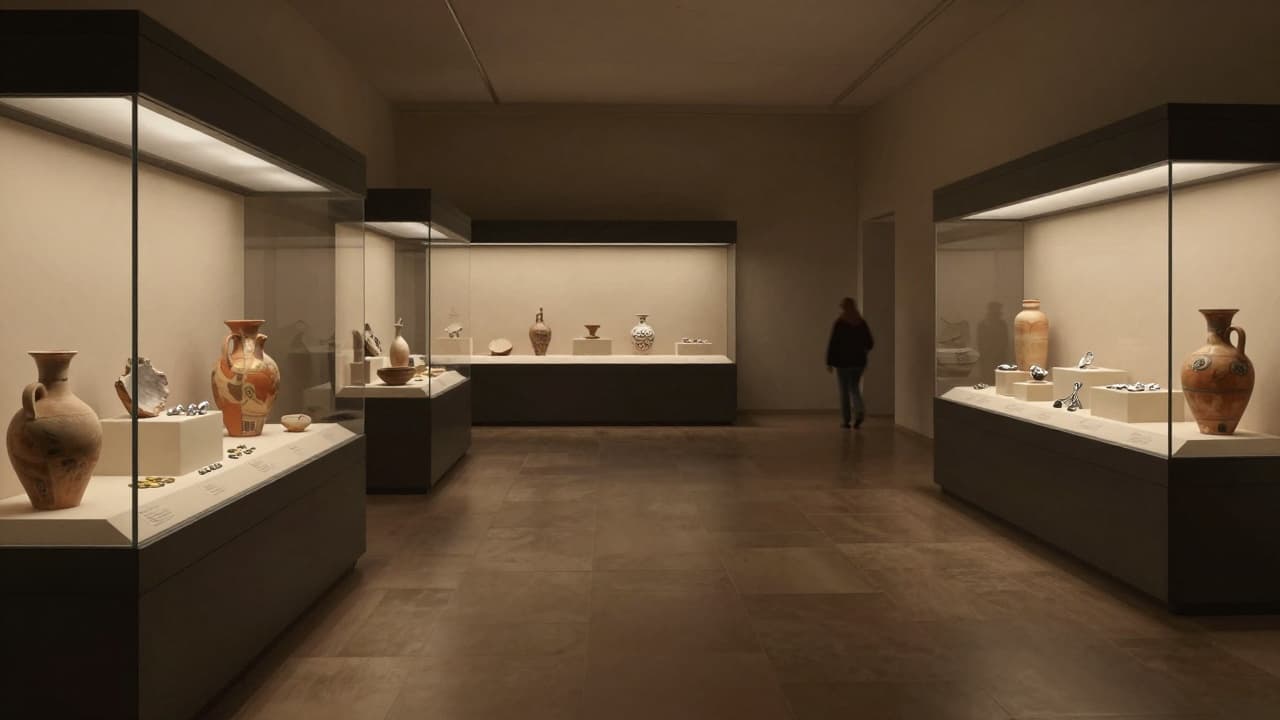
Such monuments, like those on display, testify to the complex process of Romanisation. Although the local inhabitants began to learn Latin and integrate into the Roman social system, their names remained preserved. For example, votive altars were erected to Jupiter Optimus Maximus and to the goddess Fortuna, all for health. These monuments, including those bearing names such as Seia, testify to the enduring influence of local culture within the Roman framework.