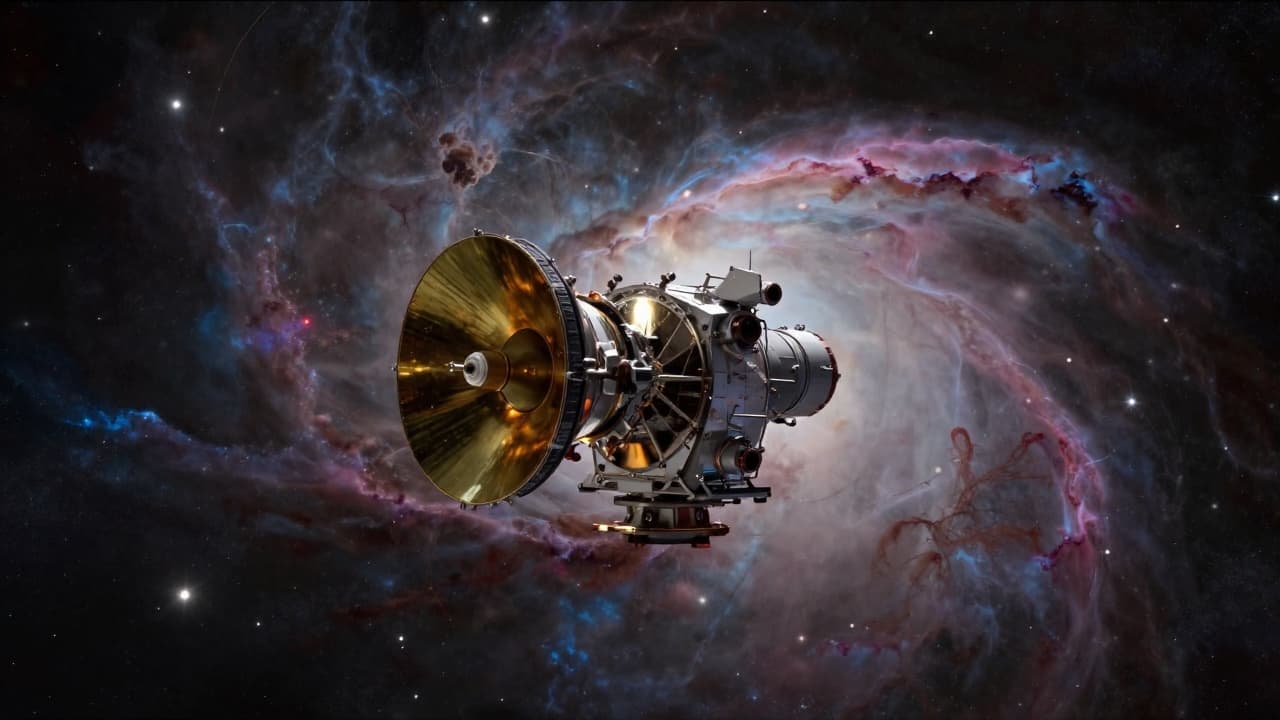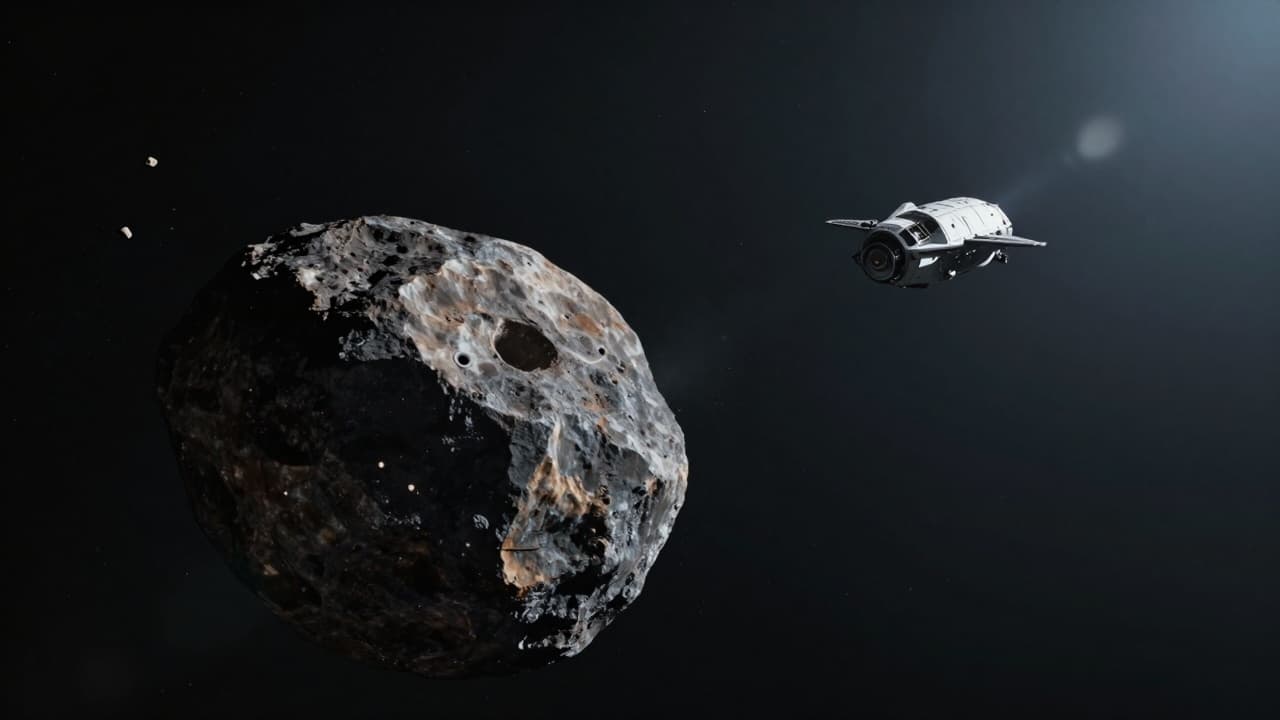
The European Space Agency (ESA) spacecraft Hera has arrived at the asteroid to investigate the damage caused by a collision with NASA's Dart spacecraft, which deliberately struck the asteroid in 2022 and deflected it from its path. The first images recorded by Hera are expected to be released later on Wednesday.
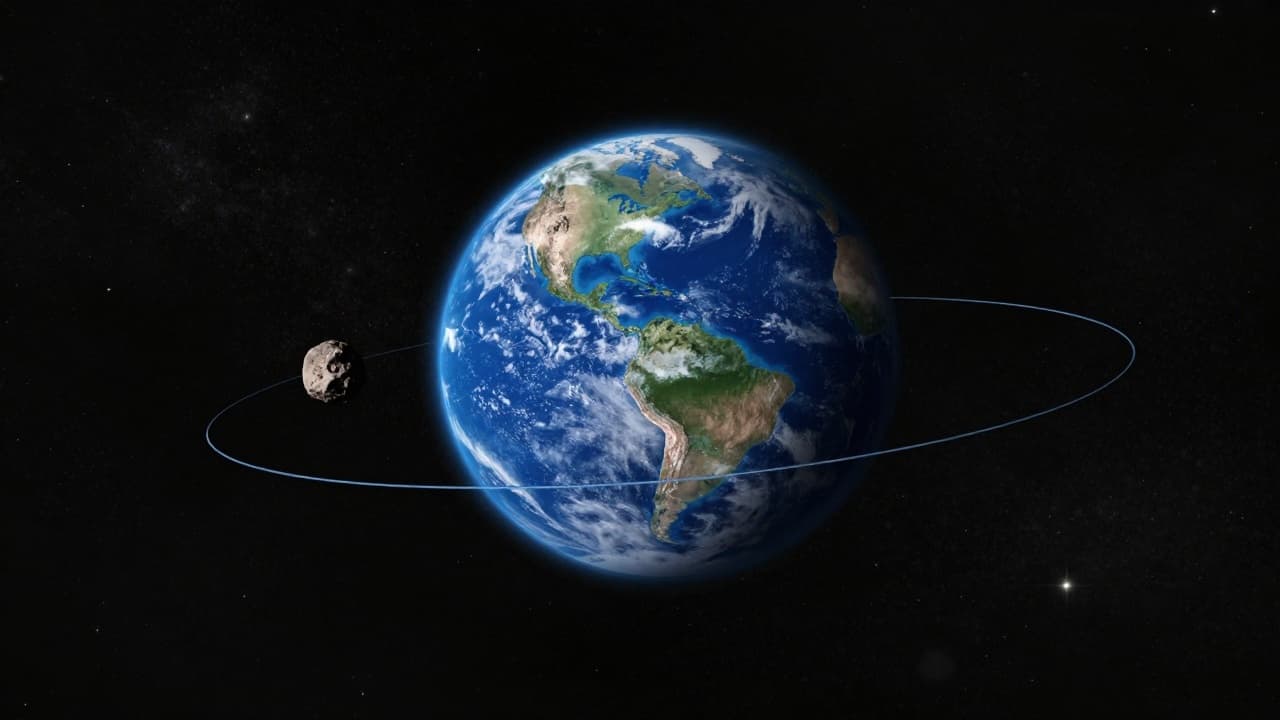
This marks the first-ever test of planetary defence. The experiment focused on an asteroid pair: the larger, named Didymos, is about 730 metres wide, while a smaller rock, Dimorphos, about 150 metres wide, orbits it. NASA directed the Dart spacecraft specifically at Dimorphos, which was travelling at a speed of 22,000 kilometres per hour at the moment of impact. The collision completely destroyed the spacecraft.
Following the impact, a trail of debris approximately 10,000 kilometres long was created, which was detected by telescopes on Earth and in space. Before the collision, Dimorphos took 11 hours and 55 minutes to orbit Didymos, but after the Dart impact, the duration of its orbit was shortened by about 33 minutes. The asteroid poses no threat whatsoever.
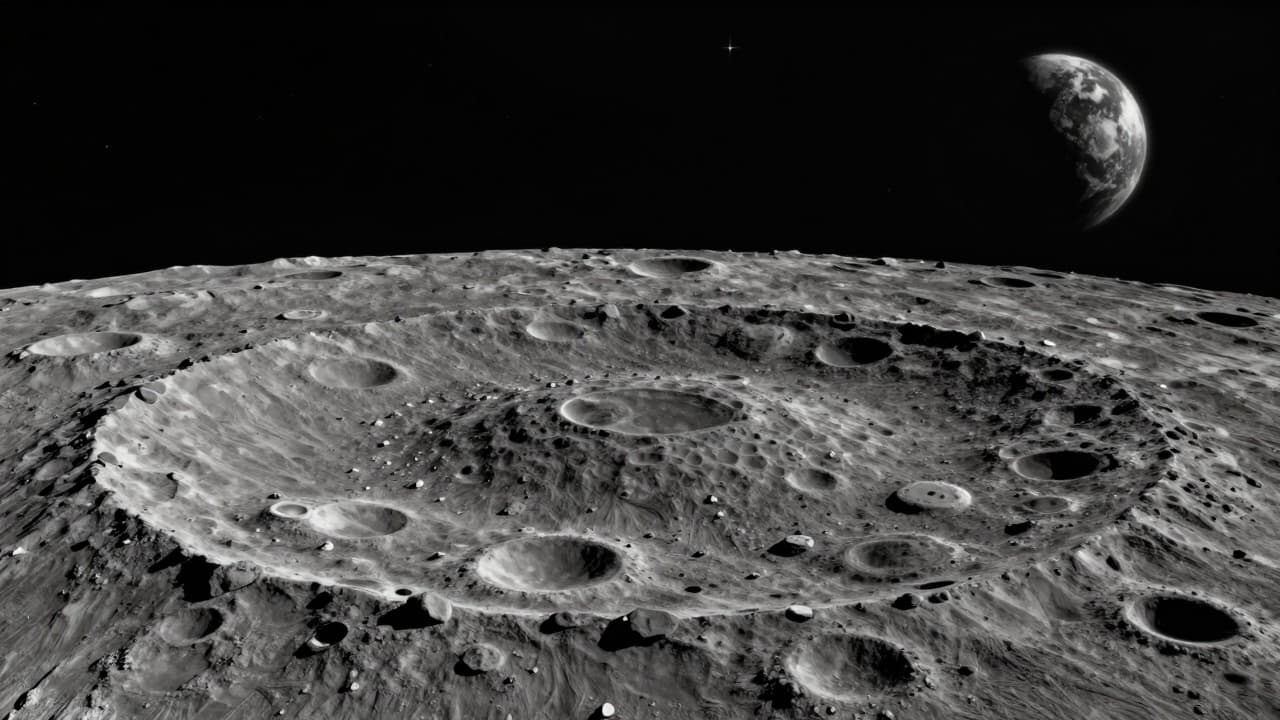
Hera will study Dimorphos over the next year, while also observing Didymos. The spacecraft carries two small satellites the size of shoeboxes, which can examine the impact site up close and then land on the asteroid. The key task is to measure the mass of Dimorphos to determine how effective the spacecraft's impact was.
New plans for tracking potentially hazardous asteroids are already in preparation. The Near-Earth Object (NEO) Surveyor space telescope is scheduled for launch in 2027, and additional visits to asteroids are planned, including Apophis, which is about 450 metres long. Apophis was discovered in 2004 and was initially thought to potentially strike Earth as early as 13 April 2029.
Scientists now state that Apophis will not hit us for at least the next 100 years. In 2029, it will pass just 32,000 kilometres above our surface. Two spacecraft will head towards Apophis, including NASA's Osiris-Apex and Ramses, a joint mission by the ESA and the Japan Aerospace Exploration Agency (JAXA).