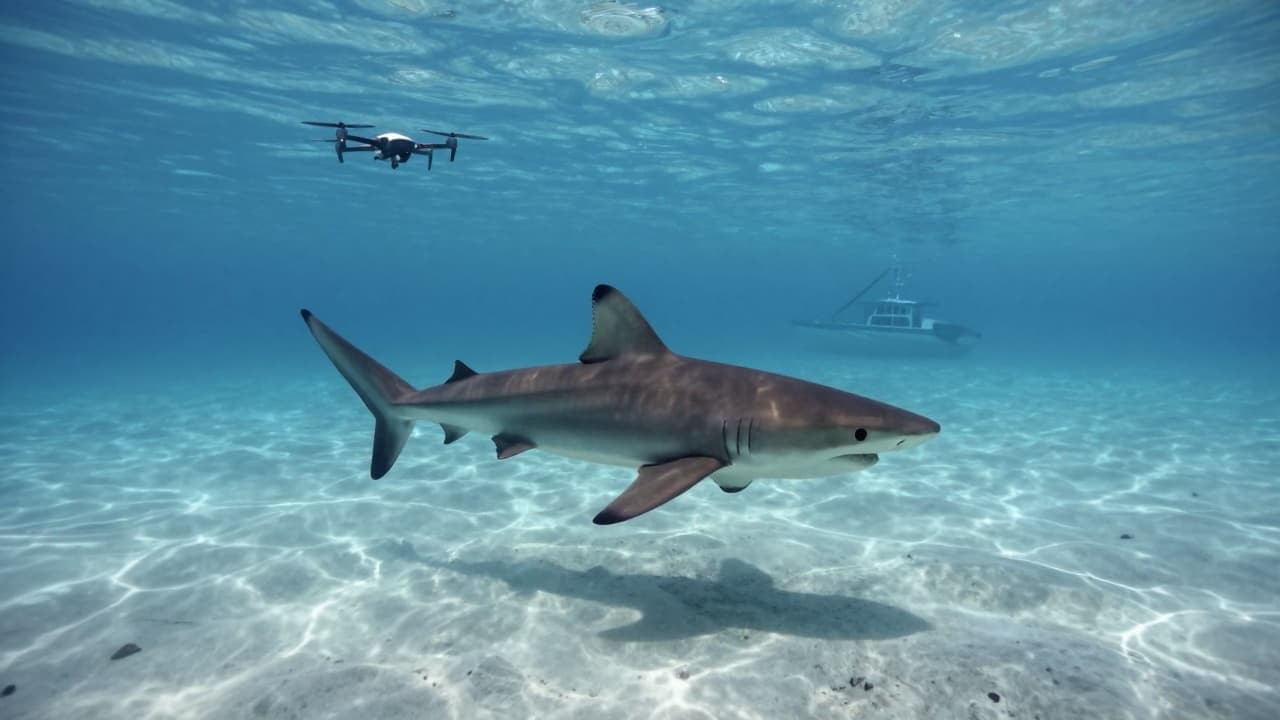
A new study has shown that blacktip sharks can hear sounds from a distance of up to 74 metres, published in the journal Integrative Organisms and Biology. The research was conducted by scientists at Florida Atlantic University, carried out off the coast of Florida.
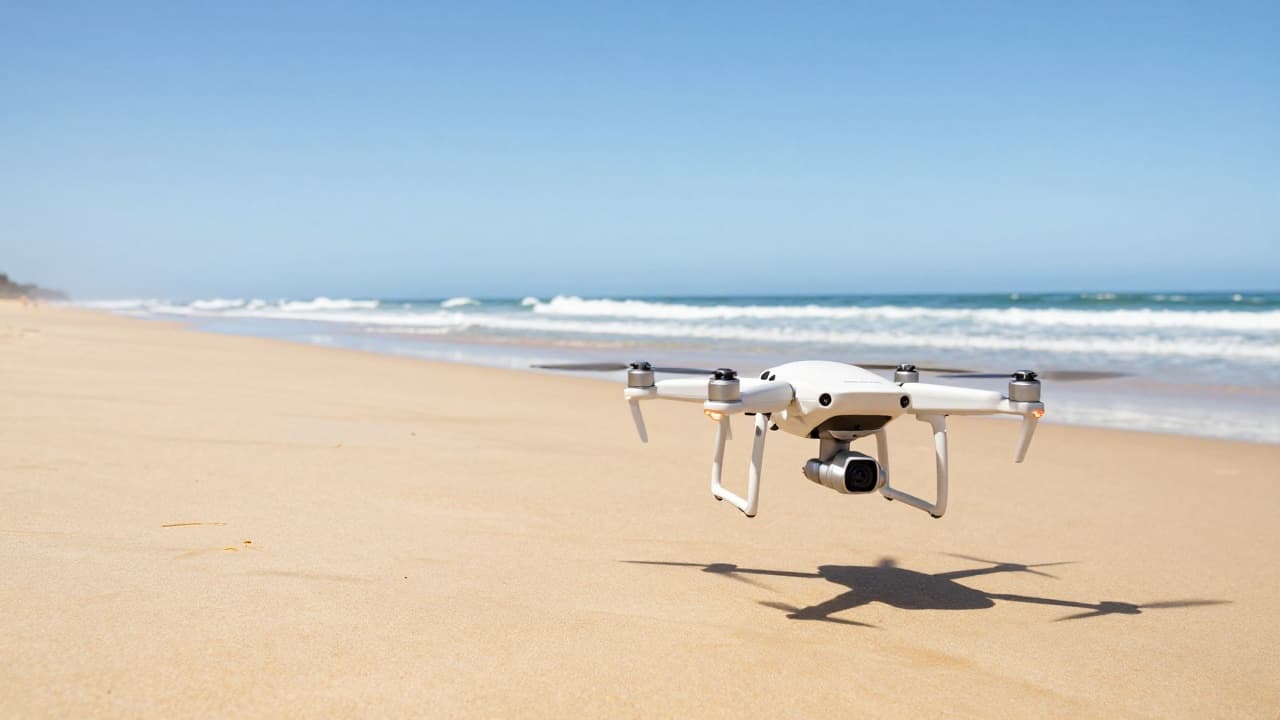
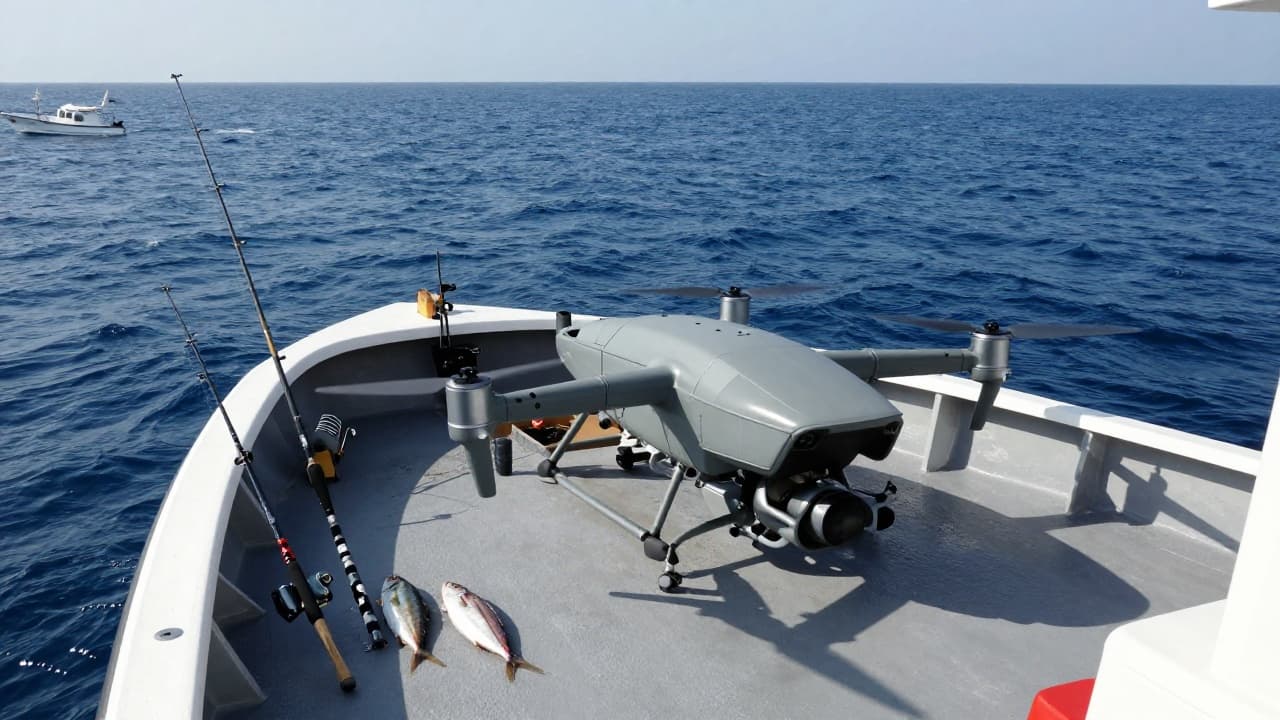
The experiment was conducted off the coast of southeast Florida using a drone and a boat. Pulsating low-frequency sounds were played from the boat, and two underwater microphones measured how these sounds spread through the water. The drone flew 40 to 50 metres above the sea and recorded the movement of sharks as a response to the sounds.
Three test sounds of different frequencies and one control sound outside the hearing range of sharks were used in the study. Sharks ignored the control sounds, while they reacted to the test sounds in 71.1 to 87 per cent of cases, depending on the frequency. The furthest recorded reaction of an individual shark occurred at 74 metres, and a reaction was recorded for all three frequencies at a distance of up to 62 meters. Each reaction involved a sharp turn away from the sound source, indicating that the sharks knew where the sound was coming from.
The blacktip shark (Carcharhinus limbatus) was chosen because it gathers in a specific location every winter in waters shallow and clear enough for drone tracking. The results relate to the far acoustic field, where pressure causes significantly more subtle movement of water particles than near the source. Sharks do not have gas-filled swim bladders, so scientists hypothesise that blacktip sharks detect the movement of water particles in some way.
Zoologist Stephen Kajiura states that the abundance and accessibility of the sharks allowed them to be observed from above without disturbing their natural behaviour, while simultaneously emitting controlled underwater sounds. Kojiura explains that the sharks reacted to sounds outside the acoustic close field, where sound behaves differently. He notes that this suggests that the sharks detect particle movement associated with sound at significant distances from the source, which has not previously been demonstrated in free-swimming sharks. Kojiwa highlights that the ocean is an acoustic environment and that sharks are adapted in ways that are only beginning to be understood, and the ability to detect and respond to sounds from a distance of several tens of metres gives these predators an important source of information about their environment.
Biologist Caroline Sullivan states that experiments conducted in pools result in sound being reflected off the walls, creating complex and confusing signals. Sullivan compares this to being in a house of mirrors. She highlights the importance of conducting such experiments in the ocean with wild sharks to obtain a natural response.