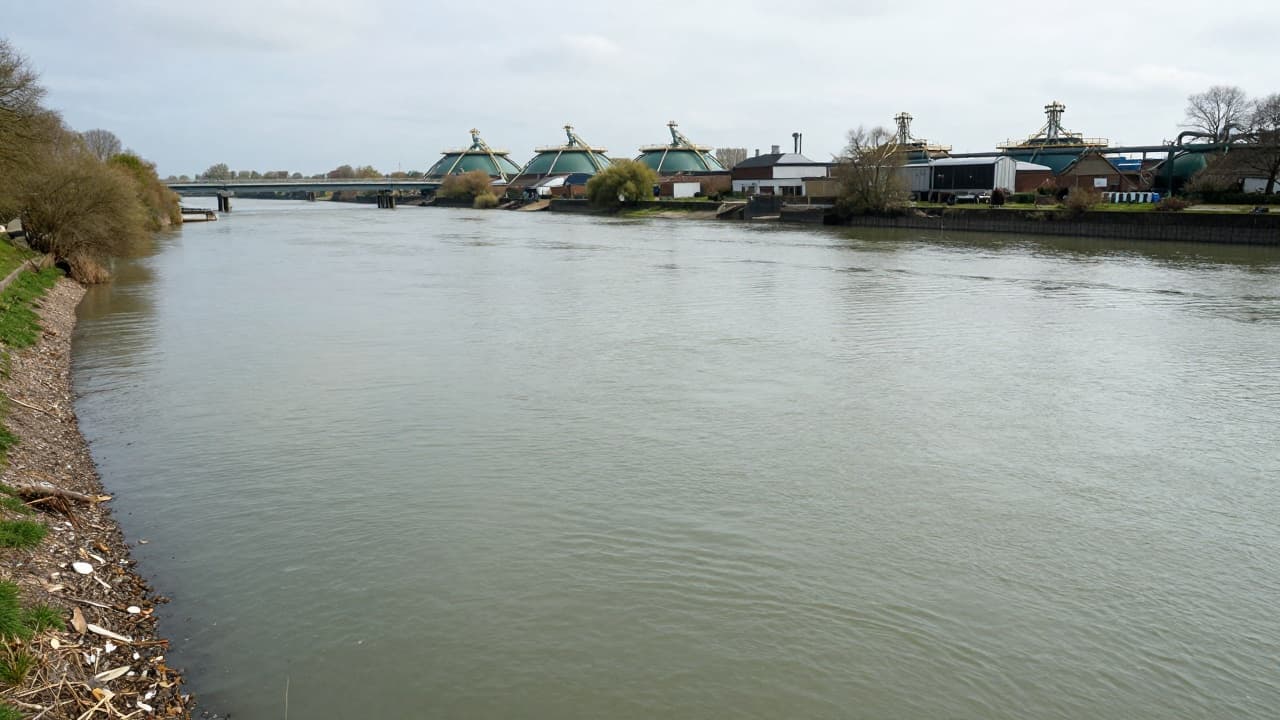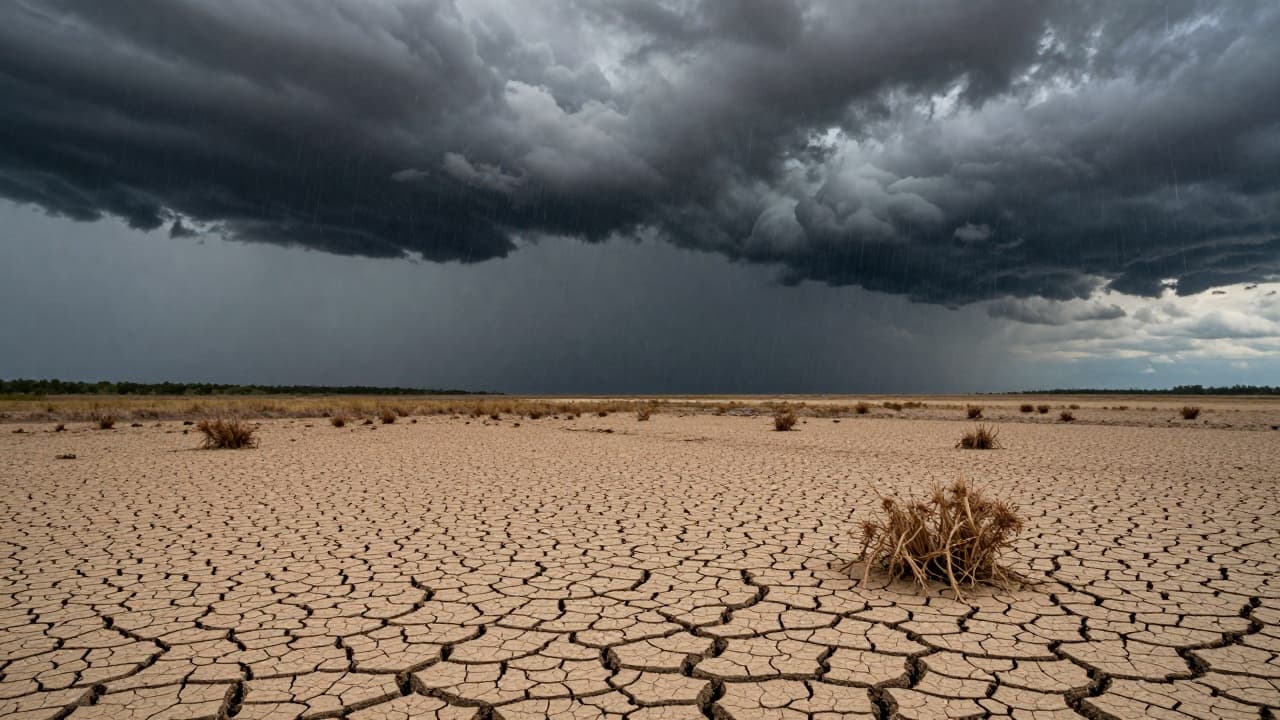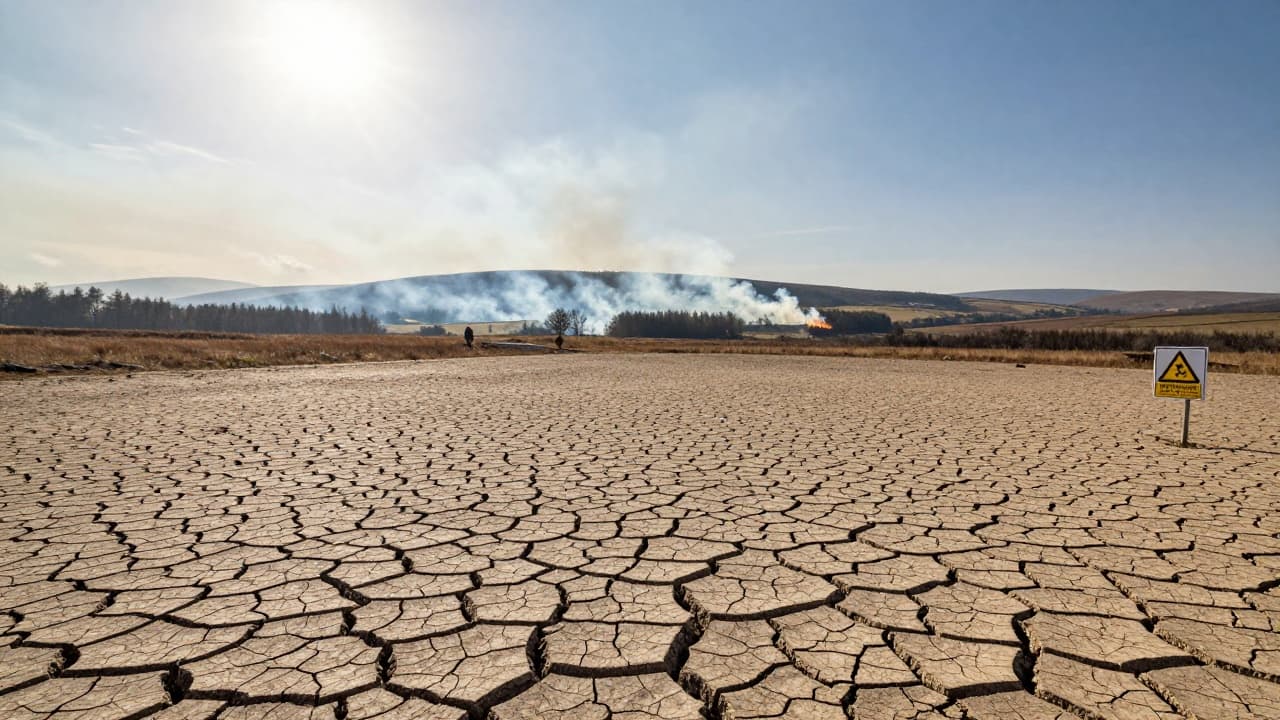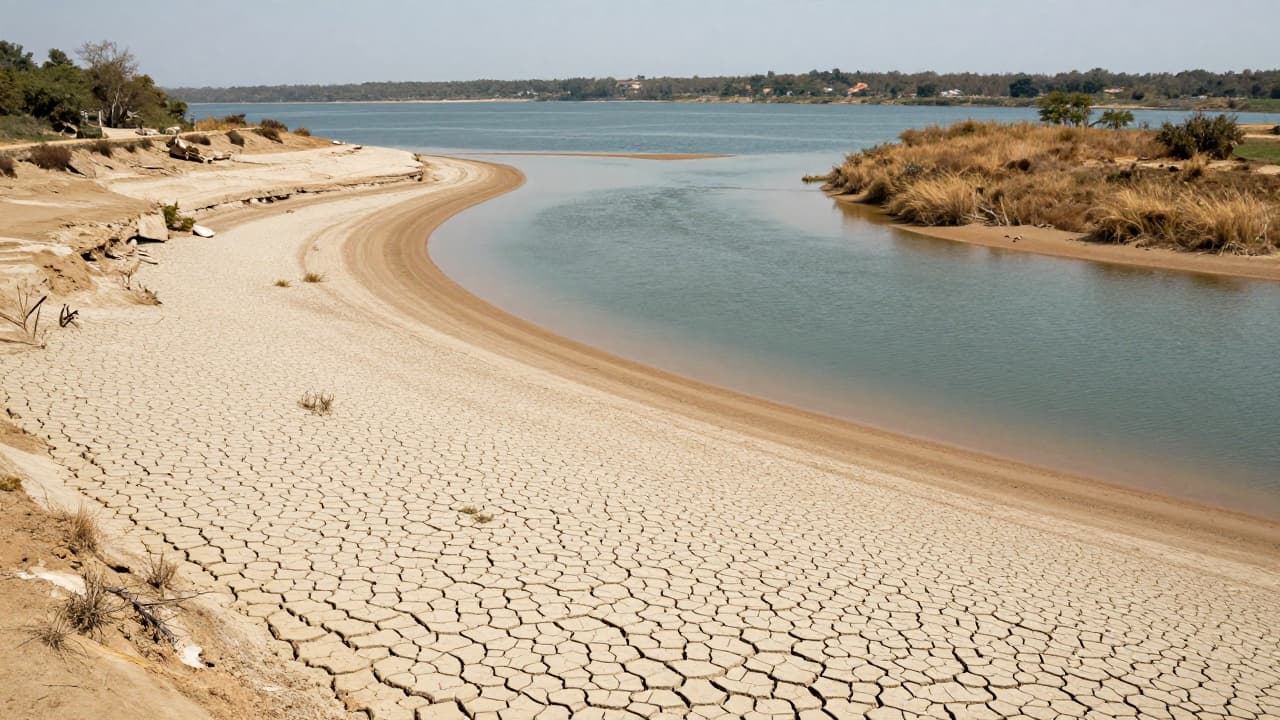
Extreme heat across the world has led to an unprecedented drop in water levels in lakes, rivers and reservoirs during 2023 and 2024, according to an analysis of global water systems led by the Chinese Academy of Sciences (Kineska akademija znanosti).
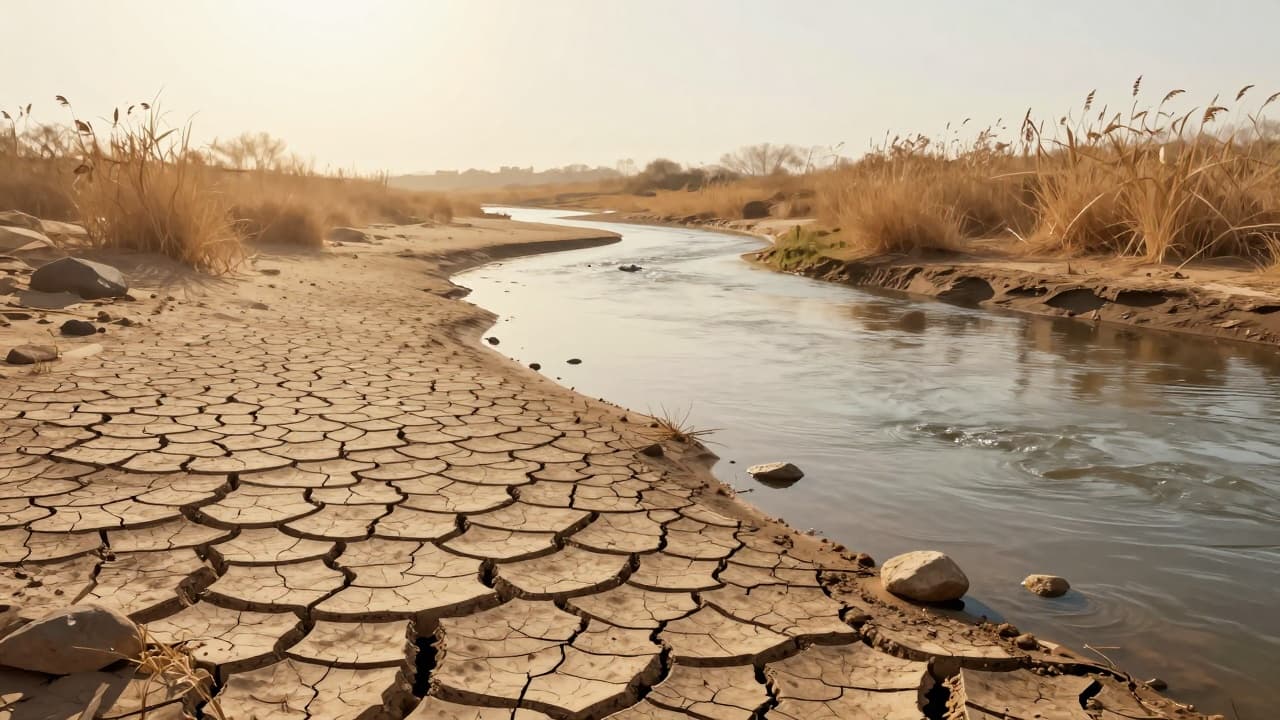
The amount of surface fresh water on the planet has declined sharply during the two warmest years on record. Global river flows were around 5.7 per cent below normal values, while the volume of water in lakes and reservoirs fell by 9.5 per cent. This represents the largest simultaneous drop in surface water volumes since at least 1991.
Scientists combined data on river flows from the 150 largest river basins in the world with satellite data on more than 1.2 million lakes and reservoirs between 1991 and 2025. One of the authors of the study is Sulagna Mishra.
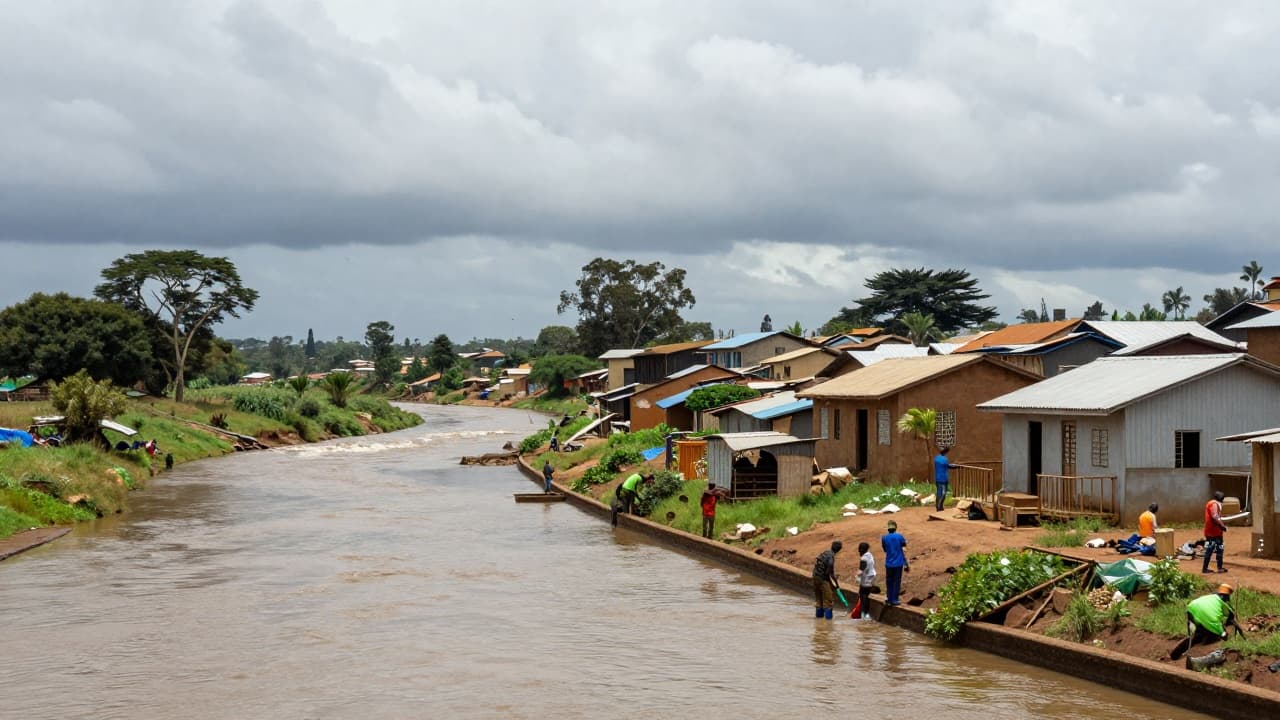
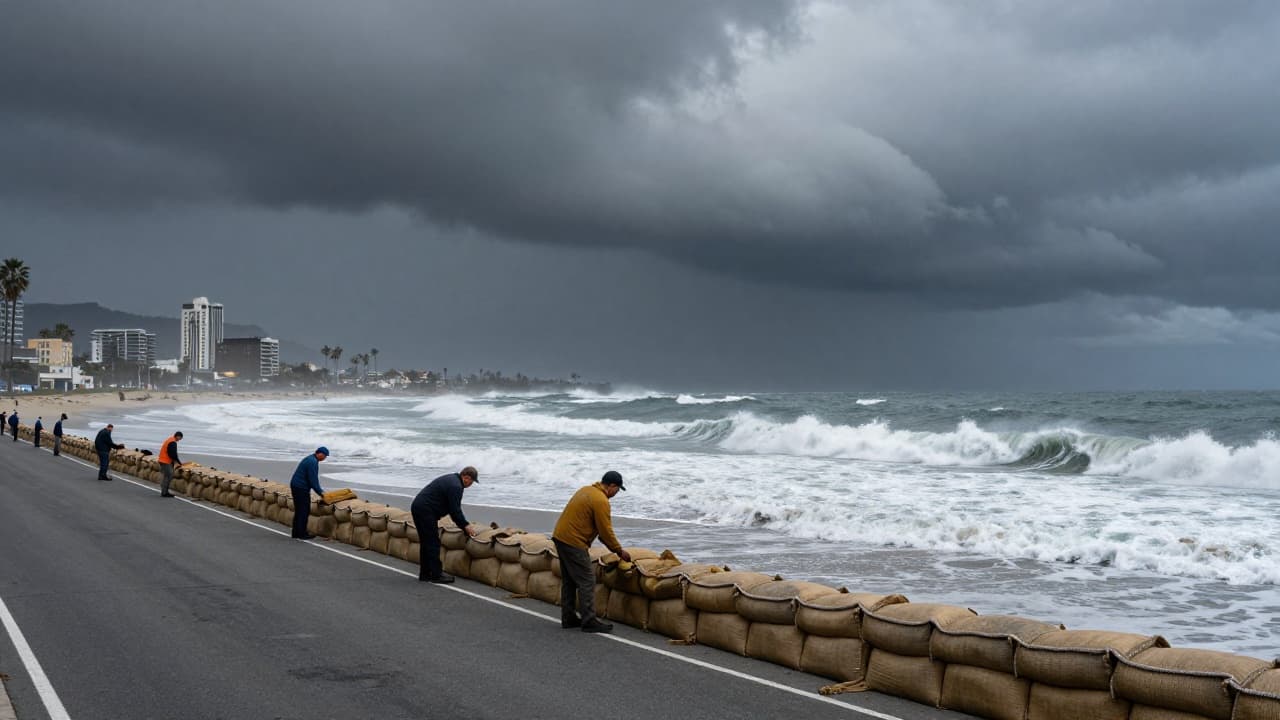
The consequences were particularly pronounced in South America, where river flows decreased by 17.8 per cent and the volume of water in lakes and reservoirs by 16.5 per cent. The reduction occurred despite extreme rainfall and flooding in certain areas, with parts of South America being hit by severe floods during 2023 and 2024.
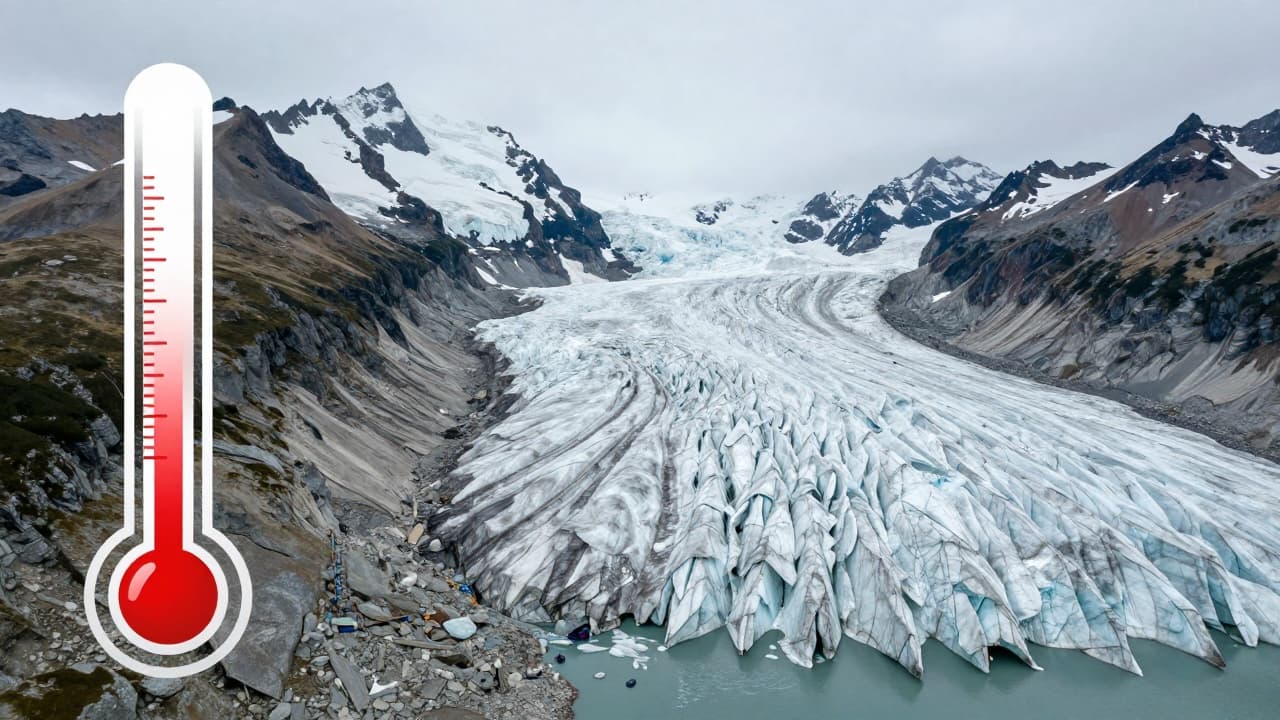
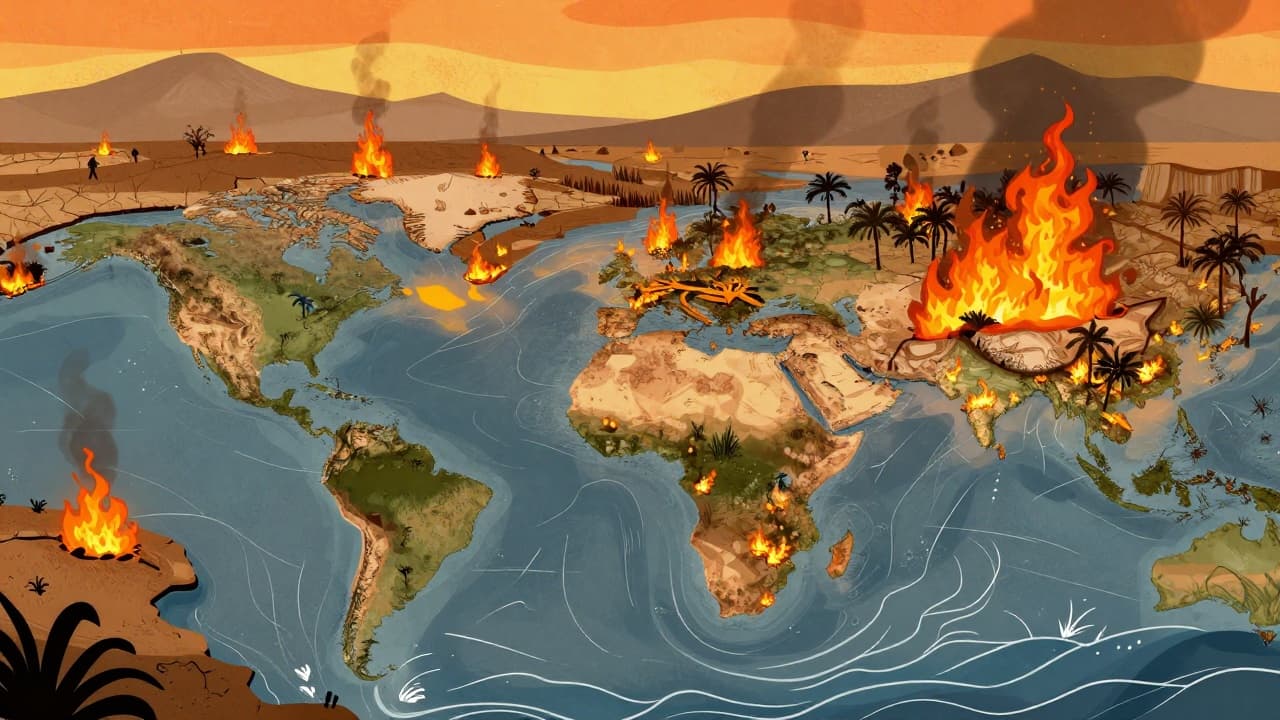
As the planet warms, the water cycle is becoming increasingly extreme. A warmer atmosphere extracts more moisture from the soil, rivers and lakes, while higher land temperatures further accelerate evaporation. The moisture is then returned in the form of heavy rainfall in other areas, often over the oceans, leading to increasingly pronounced oscillations between droughts and floods. During 2023 and 2024, rivers recorded low water levels even in areas affected by severe flooding.
Global water reserves face a range of threats, including super El Niño, droughts caused by the climate crisis, pollution and over-extraction of water resources. Changes in fresh water availability are one of the main ways in which the climate crisis affects people and nature, and as global warming continues, it is becoming increasingly difficult to predict how much water will be available.
Yi He, a professor of hydrology and climate change research at the University of East Anglia, Christian Dunn, chair of the public policy committee at the British Ecological Society, and Richard Allan, a climatologist at the University of Reading, are highlighted experts in the field of water resources and climate change research.