A ceremonial handover of the LUCAS device took place at the local branch of the Croatian Institute for Emergency Medicine in Vrgorac. The device, described as valuable and essential for improving emergency care in this part of Dalmatian Zagora, was presented to local officials.
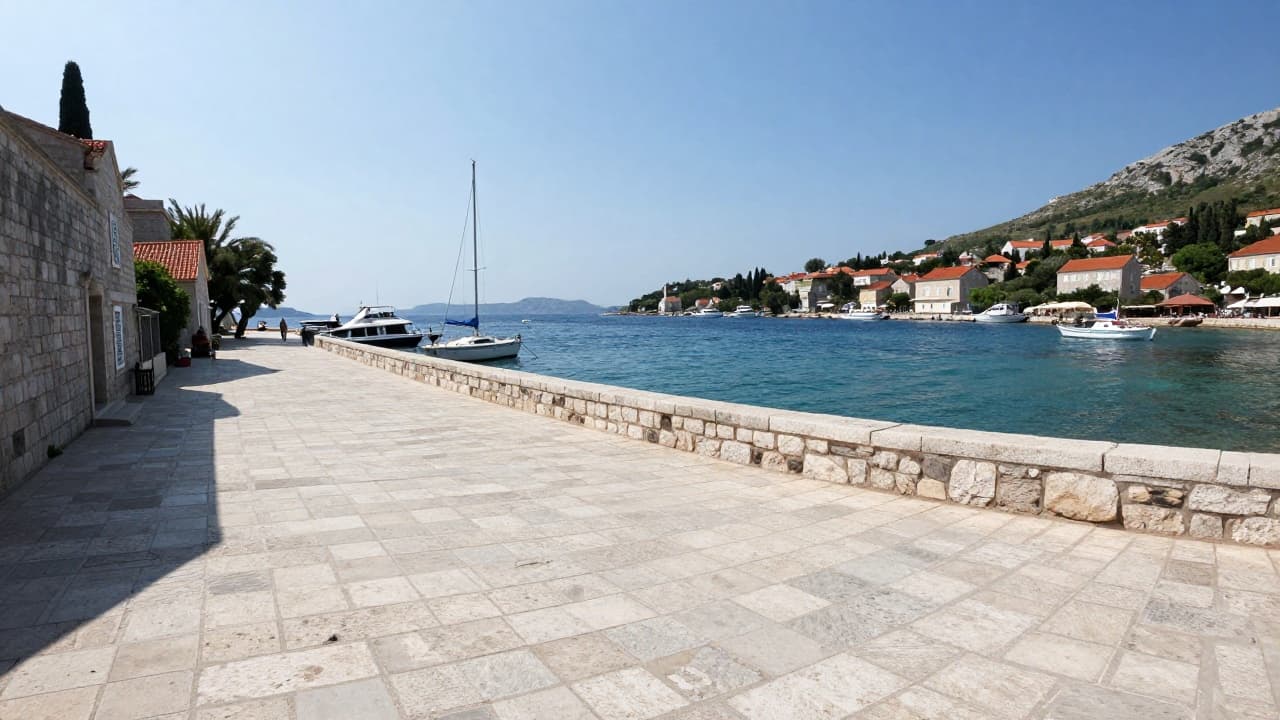
The event was attended by Dr Leo Luetić, director of the regional emergency medical service, who travelled from Split. This represented a significant logistical effort, given that Vrgorac is 100 km from the county seat.
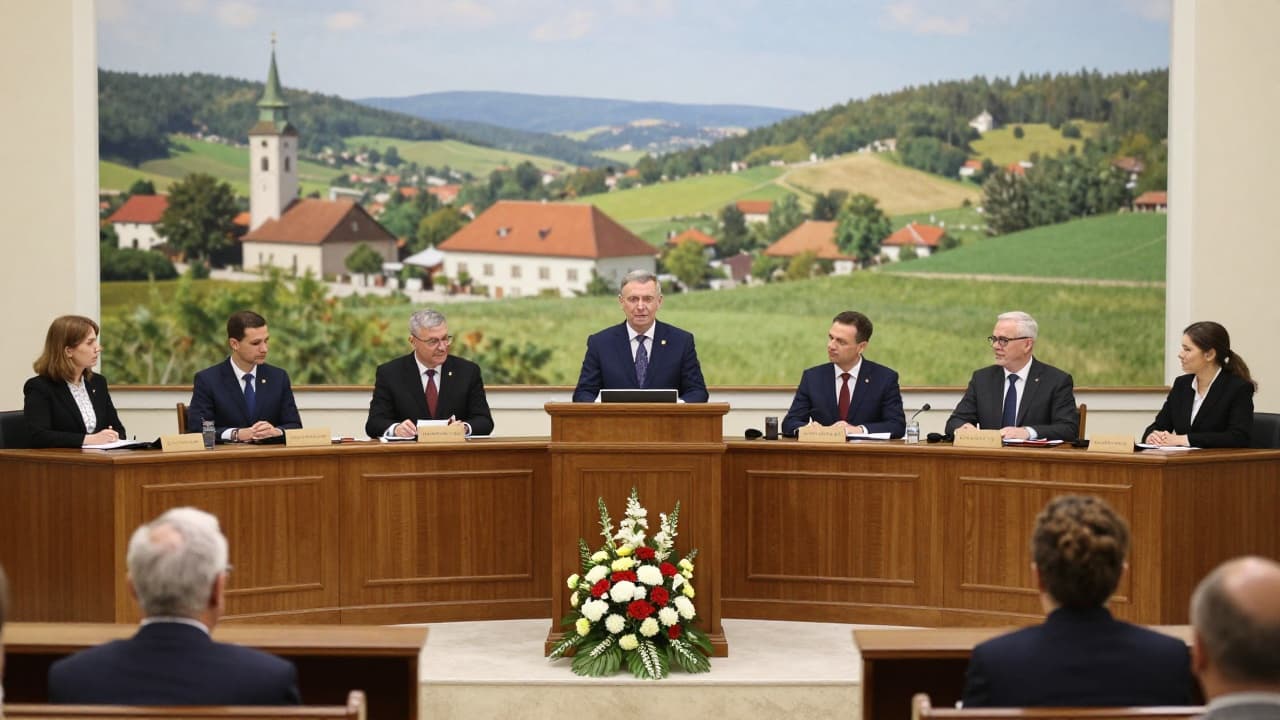
Dr Andrija Babić, head of the Vrgorac branch, provided a detailed presentation of the new device’s capabilities to the local council members. The presentation was attended by councillors from across the political spectrum, indicating broad support for the project despite political differences. Also in attendance was local mayor Mile Herceg, representing the Independent List of Mile Herceg.
During the event, political divisions emerged regarding credit for the equipment’s acquisition. Members of the Croatian Democratic Union (HDZ) publicly stated that the device’s arrival in Vrgorac was the result of their efforts, seeking to highlight their success in securing funding or political pressure for the purchase. However, this came in contrast to the fact that the town of Vrgorac had previously made no direct financial investment in the local health centre or emergency service.
Maintenance and equipment procurement for the facility have traditionally been the responsibility of higher levels of government. Funding has primarily been provided by the Split-Dalmatia County or the Ministry of Health, both of which are the owners of the local branches. This case illustrates the complexity of funding local health institutions in Croatia, where local authorities often do not bear direct financial responsibility for emergency medical services.