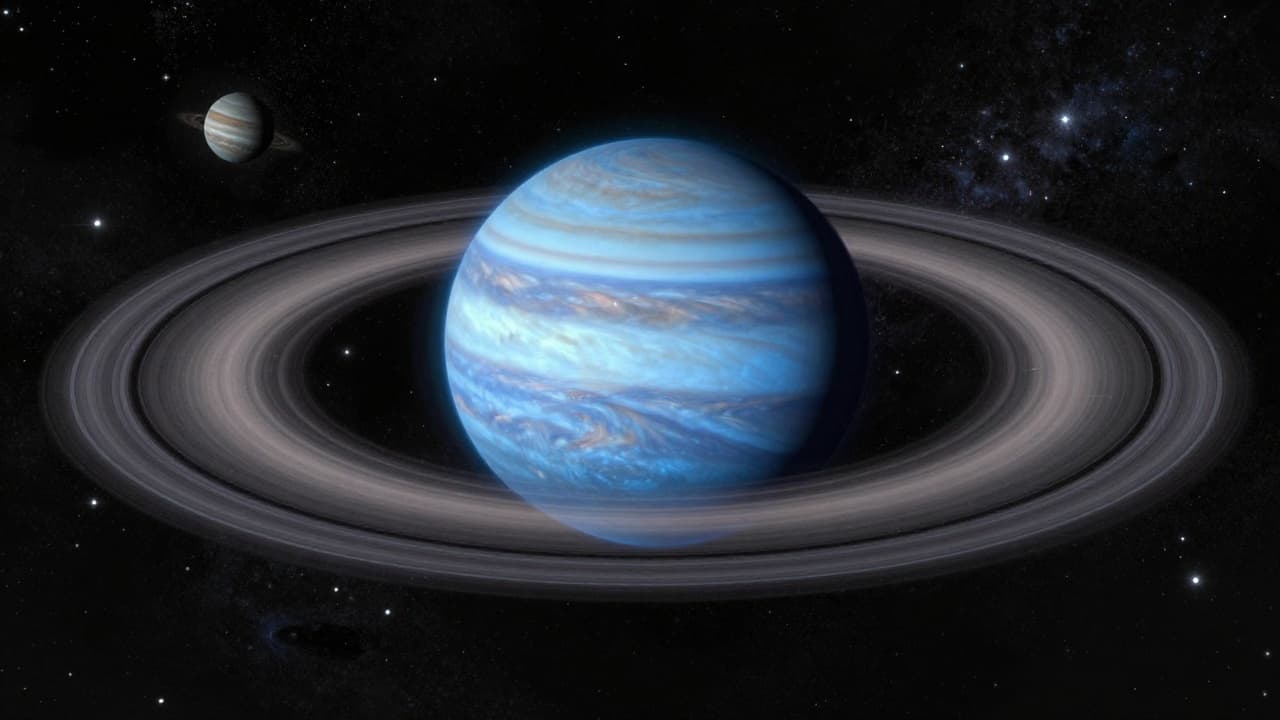
Astronomers have identified a candidate for the planet HD 15629 b in the habitable zone of a type A star. If its existence is confirmed, it would be the first such planet found orbiting the hottest star to date, and also the first known exoplanet in the habitable zone of a massive A-type star.
The star HD 15629 is 140 light-years from us and is visible to the naked eye. Type A stars shine with a blue-white colour, reaching twice the mass and size of the Sun, with temperatures several thousand degrees higher. HD 15629 is approximately nine times brighter than the Sun, with a temperature reaching almost 7,500 degrees Celsius. The star belongs to the class of Delta Scuti variable stars, and its light pulses in such a regular rhythm that it can serve as a precise cosmic clock.
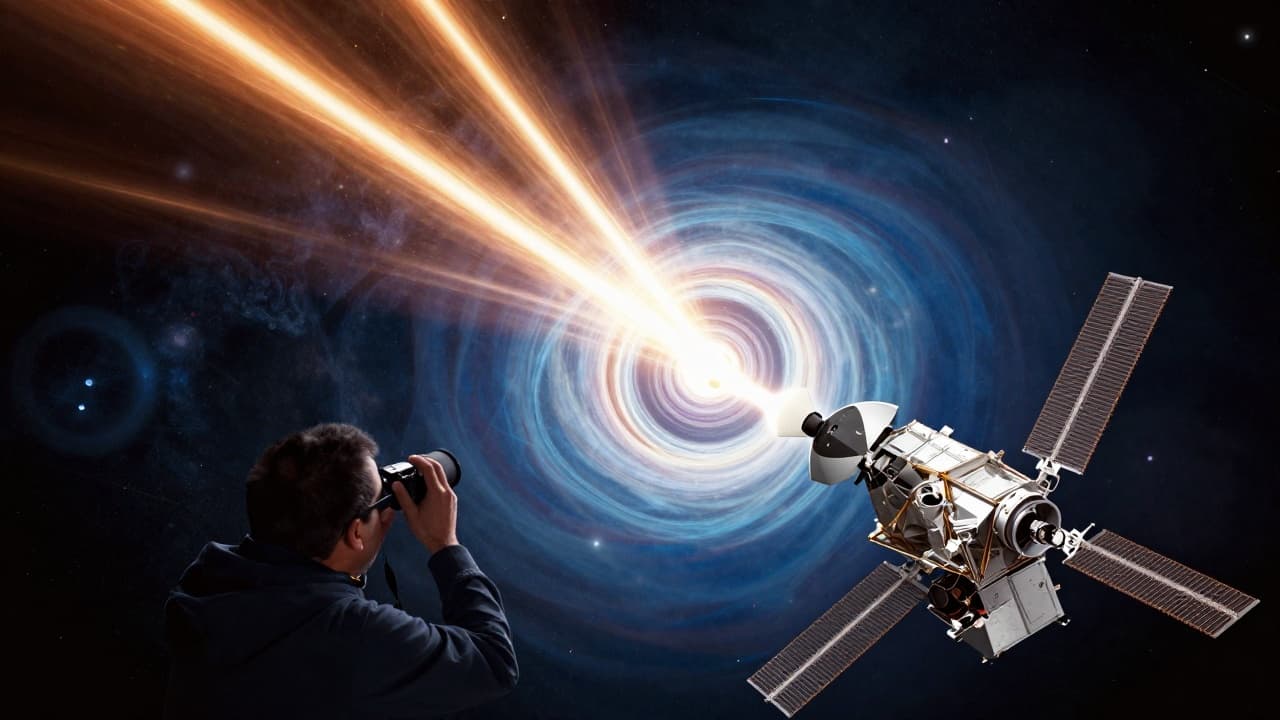
According to a study published in The Astrophysical Journal, the astronomers analysed data on nearly 16,500 Delta Scuti stars collected by the TESS satellite. The detection of the planet used the method of measuring pulsation timing, which tracks minute variations in the time it takes for starlight to reach the observer. Because HD 15629 pulsates with a stable rhythm, scientists were able to isolate changes caused by the gravitational influence of another body, such as a planet. This method detects systems that would be elusive to any other observational technique.
Nine stellar systems with possible companions were identified in the analysis. HD 15629 b is a candidate planet that could be six times more massive than Jupiter. Orbiting at a distance of almost four astronomical units, or four times the distance from the Earth to the Sun, it completes an orbit in approximately 2,200 days, receiving about 60 per cent of the radiation that Earth receives from the Sun.
The remaining eight candidates are thought to be brown dwarfs, celestial bodies more massive than planets but not massive enough to trigger nuclear fusion. The estimated mass of these candidates ranges from 25 to 59 times the mass of Jupiter, with orbital periods between 1,100 and 2,800 days.
Researchers estimate that the likelihood of the planet HD 15629 b actually existing is 50 per cent. Exoplanets orbiting A-type stars are rarely discovered, and the authors of the study note that the changes in pulsation timing recorded were at the very limit of what can be detected with the data provided by TESS. Even if it turns out that the findings are a false positive, the discovery helps to refine the understanding of the frequency of giant planets in such orbits.
More precise data is expected soon from the PLATO observatory of the European Space Agency. A gas giant of this size is likely not suitable for life, but the question remains as to what processes might be taking place in the habitable zone. The system, at 700 million years old, is relatively young.